Last updated November 23, 2026
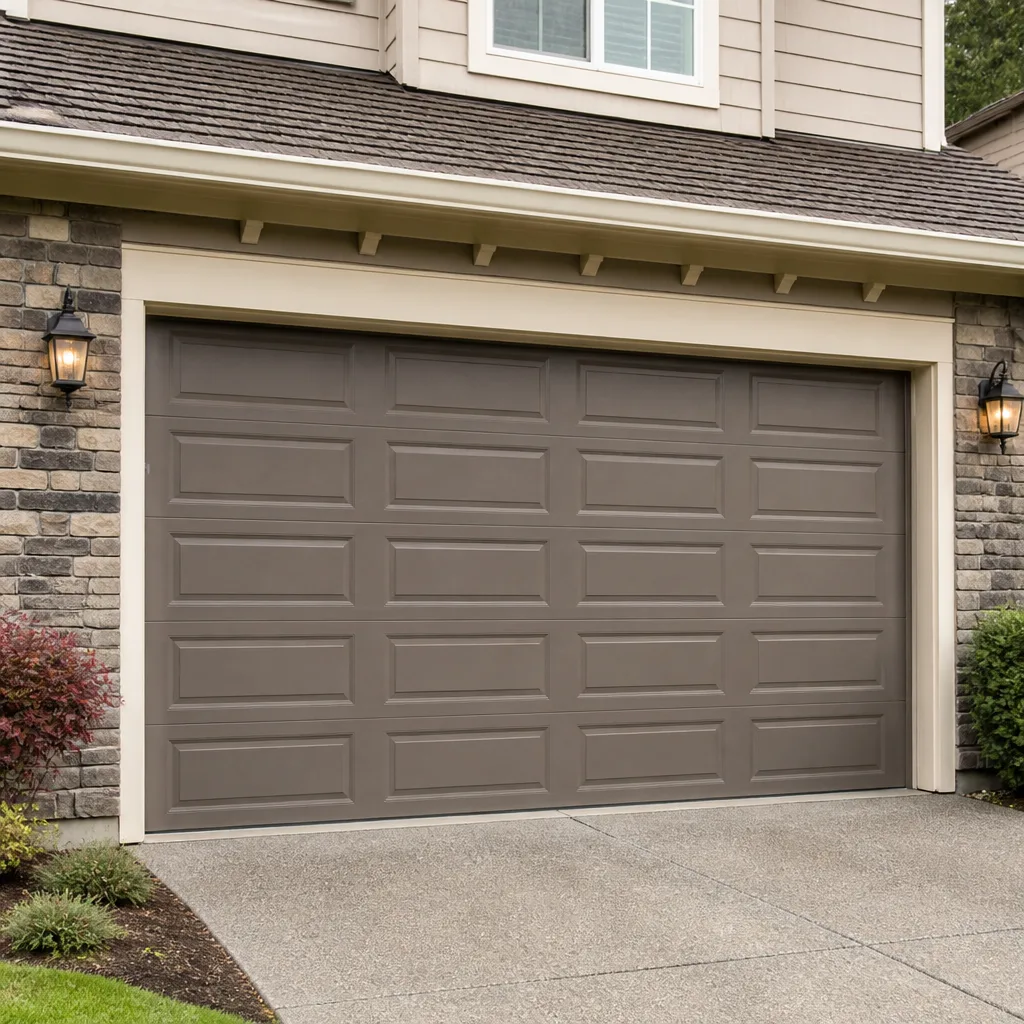 Raised-panel steel
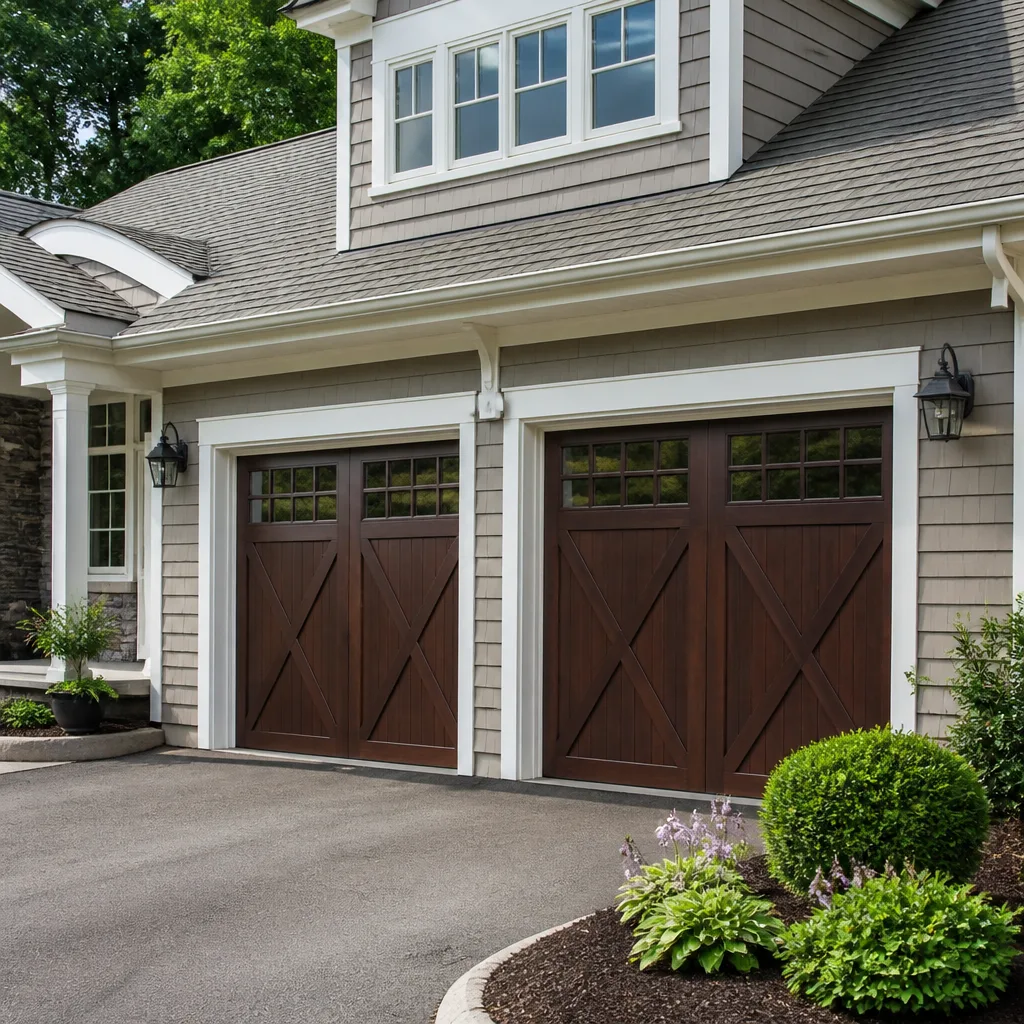 Carriage house
 Modern flush
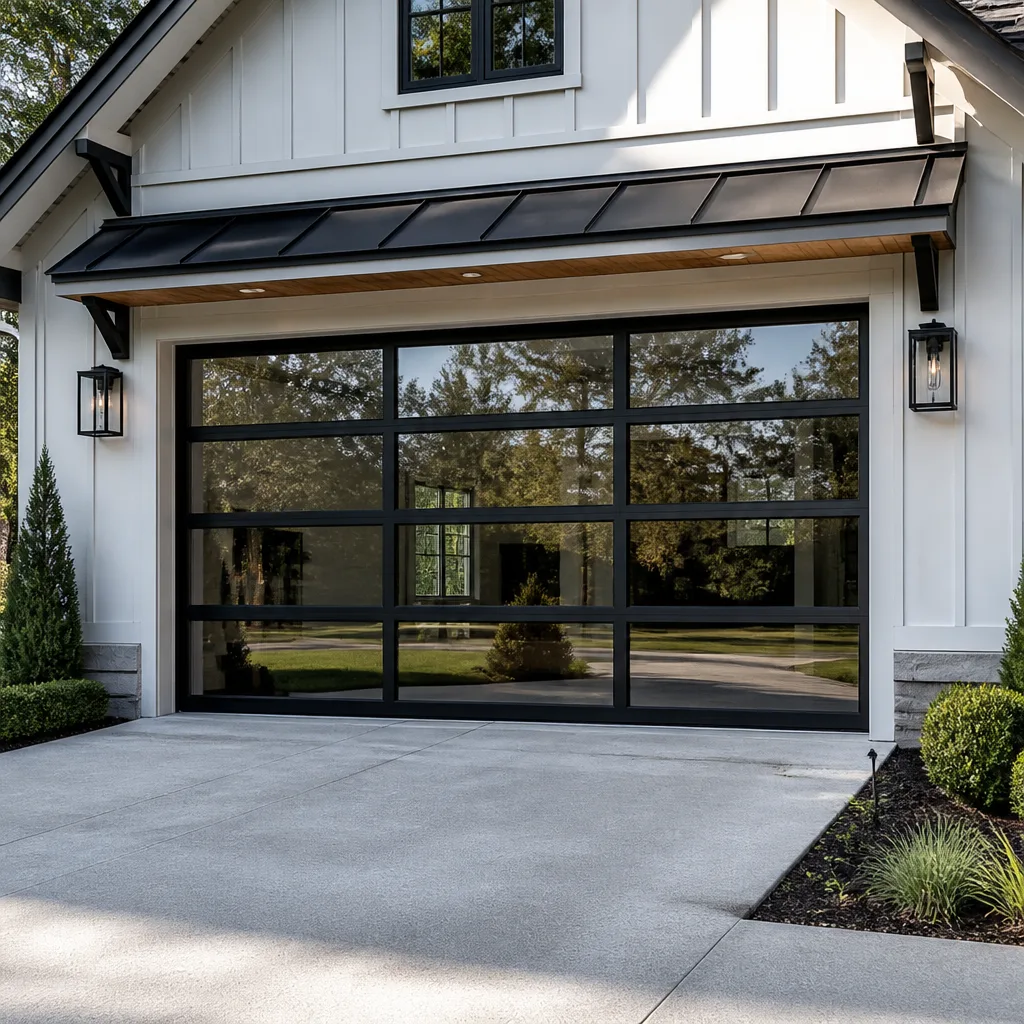 Full-view glass
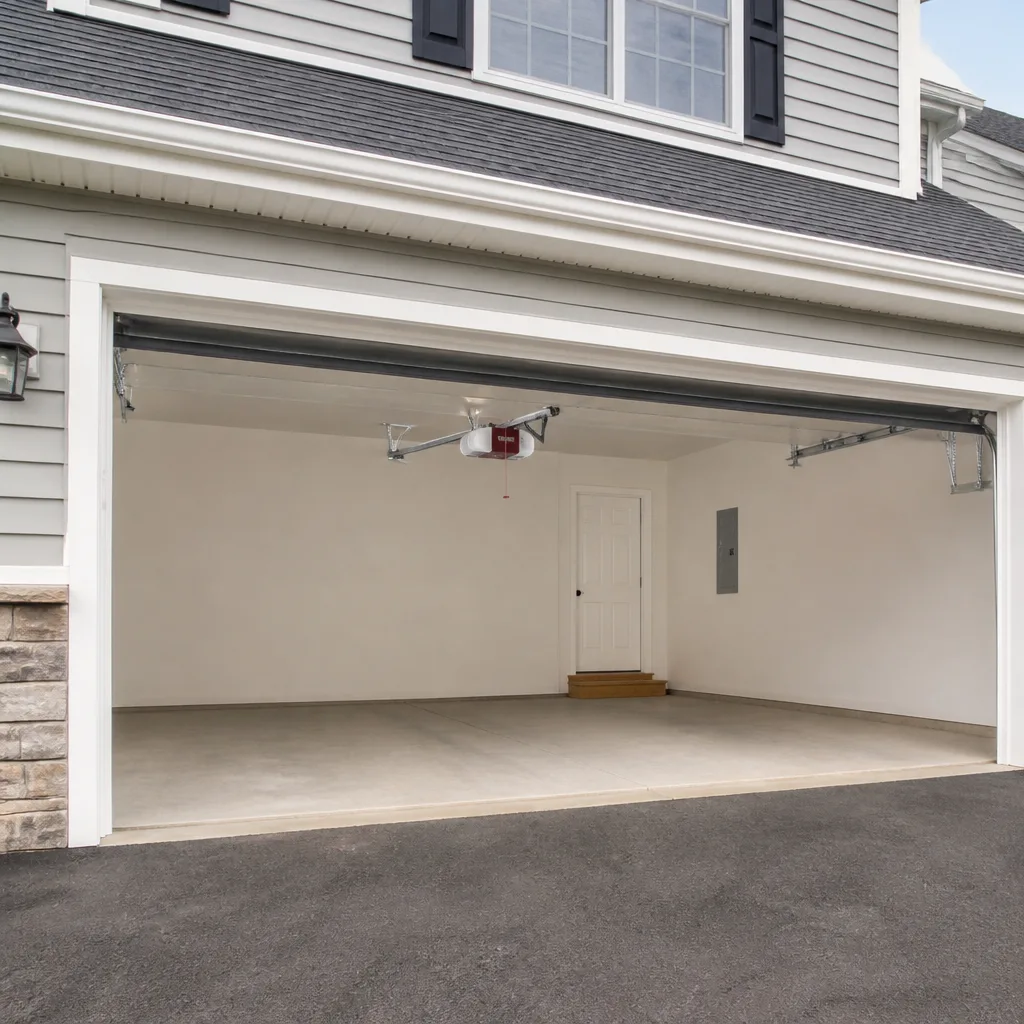 LiftMaster openers
 Chamberlain openers
Full 25-point door and opener safety check with every visit - springs, cables, rollers, tracks, and your LiftMaster or Chamberlain opener included
You get a price before we start. It does not change when the pro arrives.
Get your free estimateHow to Hire a Garage Door Contractor in Levittown: A Step-by-Step Guide
Pennsylvania does not require a state license to work on garage doors. Read that again, because it changes how you should shop. The lowest quote in your inbox could come from someone who learned torsion spring replacement on a video last week and is now standing under several hundred pounds of stored tension in your Levittown garage. There’s no state board checking their work before they touch your door. The only filter between a qualified technician and a guesser is the set of questions you ask before you book. This guide gives you those questions, the paperwork to demand, the red flags to watch for, and how to verify a contractor’s history without leaning on star ratings alone.
Quick Answer
To hire a garage door contractor in Levittown, verify insurance and workers’ compensation coverage in writing, ask four system-specific questions about your actual door and opener, insist on a written scope of work with parts and labor broken out, and confirm the price is agreed before any work starts. Because Pennsylvania doesn’t license this trade, the burden of vetting falls on you, and the questions in this guide do most of that work in about ten minutes on the phone.
Styles & brands we work with
- Raised-panel steel
- Carriage house
- Modern flush
- Full-view glass
- LiftMaster openers
- Chamberlain openers
Table of Contents
- Why Pennsylvania’s Licensing Gap Changes How You Hire
- What Insurance and Liability Coverage a Contractor Must Carry
- Four Questions That Reveal Whether They Know Your Door
- Why a Written Scope of Work Beats a Verbal Quote
- Red Flags Specific to Garage Door Contractors
- How to Verify a Contractor’s Work History Beyond Google Reviews
- Repair or Replace? How to Get an Honest Answer
- Common Mistakes to Avoid
- When to Call a Professional
- Frequently Asked Questions
Why Pennsylvania’s Licensing Gap Changes How You Hire
In states that license garage door contractors, a bad job can cost someone their license. In Pennsylvania, there is no such license to lose. That doesn’t mean every contractor in Levittown is unqualified, because plenty of skilled technicians work here without a state credential simply because the state doesn’t offer one. But it does mean you can’t use a license number as your shortcut to trust. You have to build that trust from other signals, and the good news is those signals are easy to check if you know where to look.
What fills the gap is a mix of local rules and private accountability. A contractor working on a Bucks County residential property still has to pull permits when the scope requires one, still has to carry liability insurance if they want to stay in business after a mistake, and still answers to the homeowner who hired them. The vetting you do replaces the vetting the state doesn’t do.
Here’s what that means in practice:
- No statewide trade license exists for garage door work in Pennsylvania, so “licensed and insured” usually means the contractor holds a general business registration and insurance, not a trade-specific credential.
- Local permit rules still apply for certain projects, particularly structural changes, and your municipality’s code office is the authority on what needs one.
- Insurance is the real safety net. If a spring lets go and damages your car or a technician gets hurt in your garage, coverage is what stands between you and the bill.
- Your questions are the filter. A qualified contractor answers technical questions fluently and doesn’t flinch at a request for paperwork.
When you’re ready to talk to someone who works on doors every day rather than occasionally, our garage door repair service is built around exactly this kind of straight conversation. We’ll tell you what we’d check and why before anyone quotes a thing.
What Insurance and Liability Coverage a Contractor Must Carry
A contractor working on a Levittown home should carry general liability insurance and, if they employ anyone, workers’ compensation coverage. General liability protects your property and you if the work causes damage. Workers’ comp protects you from liability if a technician is injured on your property. Ask for a certificate of insurance for both, made out to show current coverage, and don’t accept a verbal “we’re fully insured” as the answer.
Why does this matter more here than in a licensed state? Because insurance is doing double duty. It’s your protection against damage, and it’s a rough proxy for whether the contractor is a real operation. Someone running a legitimate business carries coverage because their customers and their own risk exposure demand it. Someone working out of a van with no coverage has no skin in the game if a door comes down wrong.
Here’s what to request and what to look for on the paperwork:
- Certificate of general liability insurance with your name and address listed, or at minimum a current certificate showing the policy is active. Look for a coverage amount that would actually cover a damaged vehicle or a damaged door panel, not a token figure.
- Workers’ compensation certificate if the contractor brings anyone with them. If they work completely alone as a sole proprietor, workers’ comp may not apply, but ask how they handle injury risk and note whether the answer is coherent.
- A business registration or entity filing, which shows they’re operating as a business rather than a casual arrangement.
- A direct phone number to their insurer or agent if you want to verify the certificate is current. A legitimate contractor won’t hesitate to give it.
One more piece: ask whether the contractor will name you as an additional insured for the duration of the job. Not every contractor will do this for a small repair, and that’s fine, but a contractor who understands why you’re asking is a contractor who thinks about risk the way a professional should. If a contractor gets defensive or dismissive when you ask for insurance paperwork, that’s your answer. Move on.
Four Questions That Reveal Whether They Know Your Door
Anyone can say they work on garage doors. The right four questions separate someone who actually understands your specific system from someone who’s guessing and hoping the job goes smoothly. Ask these before you book, and listen for whether the answer is specific or vague.
Question 1: “My door has a [torsion/extension] spring setup. How do you approach a spring replacement on that system, and what safety steps do you take?”
Torsion springs mount above the door on a shaft and store enormous energy under tension. Extension springs run along the sides. They fail differently and are replaced differently. A qualified technician will describe the setup accurately and explain that springs are released safely before removal. If they can’t tell you which system you have after you describe it, or they brush off the safety question, that’s a problem. Spring repair done right is a trained, safety-critical job, and it should sound like one.
Question 2: “My opener is a [brand and model]. Have you worked on that unit, and do you carry the parts?”
Openers from LiftMaster, Chamberlain, Genie, and Craftsman are the most common units in residential homes, but their logic boards, travel modules, and remotes aren’t interchangeable. A technician who works across brands will recognize your unit and know its quirks. A technician who only knows one brand will try to sell you a new opener because that’s all they can service.
Question 3: “My door is a [brand: Clopay, Amarr, Wayne Dalton, Raynor, and so on]. Can you source panels and hardware for it?”
Door manufacturers use different panel profiles, hinges, and track designs. If your door is a Raynor or an Amarr and the contractor says “we’ll make it work with whatever’s available,” they’re planning to improvise on your door. Multi-brand fluency matters because virtually every home has a different system in it.
Question 4: “If the opener fails but the door itself is sound, will you repair the opener or push a full replacement?”
This one reveals intent. An honest contractor will tell you that a mechanical repair call is a mechanical repair call, and if the door is fine and the opener just needs a gear or a logic board, that’s the fix. A contractor who treats every service call as an opener sales opportunity isn’t diagnosing, they’re upselling. Repair first, replace only when it makes sense, is the standard to hold them to.
If a contractor answers all four of these specifically and without hesitation, you’re probably talking to the right person. If any of the answers are vague, dodged, or redirected toward a sale, keep calling. Our garage door opener repair team fields these questions all day, so if you’d rather just ask them directly, we’re happy to talk it through.
Why a Written Scope of Work Beats a Verbal Quote
A verbal quote is a number in the air. A written scope of work is a document you can hold a contractor to. In a trade with no state licensing, the written scope is your contract, and the line items on it tell you whether you’re being quoted for the job you think you’re getting. Insist on one for anything beyond the most routine repair, and read it closely before you sign.
What should be on that document:
- Parts, listed separately from labor. You should see the specific parts being replaced (springs, cables, rollers, hinges, opener gear, logic board) with quantities and the cost of each. If a quote is one lump sum with no parts breakdown, ask for the breakdown before you agree to anything.
- Labor, listed separately from parts. The labor line tells you how much of the total is the work itself. It also lets you compare two quotes fairly: one contractor might have cheaper parts and pricier labor, and you want to know that.
- The written estimate as the final price. The goal here is that the number on the estimate is the number you pay, assuming the scope doesn’t change. If the contractor discovers additional damage mid-job, the scope should say they stop, explain, and get your approval in writing before continuing.
- Parts brands and model numbers where relevant. If they’re replacing your opener, the model should be on the paper. If they’re replacing springs, the spring type and cycle rating should be there. Vague parts descriptions invite substitutions.
- The work to be performed, described in plain language. “Replace both torsion springs and adjust door balance” is a scope. “Fix garage door” is not.
- Any warranty terms in writing. And if a warranty term is vague, ask them to define it in the document before you sign.
A contractor who quotes parts and labor separately and puts the price in writing before work starts is telling you they do this professionally. A contractor who wants to start today and “sort out the price after” is telling you something else. The written estimate sets the final price, and you should never be surprised by the invoice.
Red Flags Specific to Garage Door Contractors
Some warning signs are universal to any home service. Others are particular to garage doors, and those are the ones a homeowner isn’t always primed to catch. Watch for these.
- A “lifetime warranty” on springs that nobody will define. Springs are rated by cycle count, not by years, because a spring’s life depends on how often the door runs. A real warranty specifies a cycle rating and terms. A “lifetime” warranty that’s never written down and never quantified is a sales line. Ask for the number and get it in writing.
- Refusal to quote parts separately. If a contractor won’t break out parts from labor, they’re either disorganized or they don’t want you comparing prices. Either way, you can’t evaluate the quote.
- Upselling an opener on a mechanical repair call. If your door won’t close because a hinge is bent and the quote comes back with a new opener on it, ask why. The two are separate systems. Any mechanical repair call should fix the mechanical problem first.
- Pushing a full replacement when a repair would do. Garage doors last a long time, and a door with sound panels, straight tracks, and working hardware usually doesn’t need replacing just because a spring snapped or an opener died.
- Pressure to book immediately. A contractor who needs an answer in the next ten minutes before you’ve reviewed the scope is a contractor who doesn’t want you reading the scope.
- No verifiable business presence. No business name on the truck, no registration, no phone number that rings to a real person, no address you can check. In a no-license state, these gaps matter more.
- Quotes wildly below the local market. If a quote is dramatically lower than everything else you’ve received for the same scope, ask what’s missing. It’s often the parts quality, the warranty, or the insurance.
None of these alone means walk away. Context matters. But a contractor who trips two or three of them is a contractor to thank politely and not call back. Our own approach to garage door spring repair is built around the idea that the parts are quoted, the price is agreed, and the safety steps are explained before anything gets touched.
How to Verify a Contractor’s Work History Beyond Google Reviews
Google reviews are a starting point, not a verification. They’re easy to game, easy to inflate, and often skewed toward the emotional extremes of a job. The real work of verifying a contractor’s history means going to sources that aren’t controlled by the contractor, and there are a few that matter more than the star rating.
Start with permit records. Not every garage door job requires a permit in Levittown, but structural work, some installations, and certain modifications do. Your municipality’s code office can tell you whether a specific job needed a permit and whether one was pulled. A contractor with a clean permit history and no outstanding violations is a contractor who works within the system. A contractor who has never pulled a permit in a municipality that requires them is a contractor who either doesn’t know the local rules or doesn’t follow them.
Next, call the insurance agent on the certificate. Yes, actually call. It takes two minutes and confirms the policy is current. A certificate can be forged or outdated, and a phone call resolves both concerns instantly.
Then, check the business registration through the state. Pennsylvania maintains records of registered business entities, and a quick search confirms the contractor is operating as a legitimate business rather than a casual side arrangement. This also tells you who’s behind the business, how long the entity has existed, and whether the name matches the one on the quote.
Finally, ask for references and then actually call one. A specific reference who can describe a job that sounds like yours is worth more than a hundred reviews that all say “great service.” A contractor who can connect you with a customer who had work done on a similar door, in a similar home, in a similar region, is a contractor with a real track record. If the references are vague, the work history probably is too.
One more note on local context: Levittown’s housing stock includes a lot of mid-century homes with original or updated doors, and a contractor who knows that history will understand what they’re walking into. A door that’s forty or fifty years old with a newer opener on it behaves differently than a fully modern system. Ask how they handle mixed-vintage setups. The answer tells you a lot.
Repair or Replace? How to Get an Honest Answer
The honest answer to “repair or replace” comes from an inspection, not from a phone conversation. But you can set the terms of the conversation before it starts. Tell every contractor you call that you want to hear the case for repair first, and only hear about replacement if repair isn’t the right call. A contractor who immediately pivots to a full replacement without diagnosing the door is one who’s selling, not fixing.
Here’s the framework a good contractor will walk you through:
- Assess the panels and structural components. If the panels are straight, the tracks are plumb, and the hardware isn’t failing universally, the door itself is usually sound and a repair makes sense.
- Assess the moving parts separately from the structure. Springs, cables, rollers, hinges, and openers wear out on their own timelines. A door with a snapped spring and a healthy panel set is a repair job, not a replacement job.
- Check the opener against the door’s needs. An older opener paired with a heavier modern door may be underpowered. That doesn’t mean a new door, but it might mean a new opener. Those are separate decisions.
- Consider the age and cycle count of the door. A very old door with a structural failure in the panel assembly may genuinely be a replace. A door with routine wear on the moving parts rarely is.
- Give a written estimate for the repair path and a separate written estimate for the replacement path, side by side. If a contractor won’t quote the repair, they’re not offering you a choice.
Most garage door service calls in Levittown end in a repair, not a replacement. Doors are durable systems. The moving parts wear out, and that’s what you’re calling about most of the time. When replacement is the right answer, it’s usually because the structure of the door has reached the end of its life, not because a spring snapped or an opener got confused.
If you want a straight diagnosis without a sales pitch attached, our Levittown Garage Door Repair Pros team gives free estimates and will tell you what we’d do if the door were ours. That’s the standard we hold ourselves to.
Common Mistakes to Avoid
- Hiring on price alone. In a state without trade licensing, the cheapest quote is often the least vetted contractor. Price matters, but it should be the last filter, not the first, especially on a safety-critical job like a spring replacement.
- Skipping the insurance paperwork. A verbal “we’re insured” is worth exactly nothing if a technician gets hurt in your garage or a door panel comes down on your car. Ask for the certificate and verify it.
- Accepting a lump-sum verbal quote. Without parts and labor broken out, you can’t evaluate what you’re buying or spot a substitution. Ask for the breakdown and the written scope before anything is signed.
- Believing a “lifetime warranty” with no cycle rating. Springs are rated by cycles, not years. A warranty without a cycle count is a slogan. Ask for the number in writing.
- Letting a repair call turn into an opener sale. If you called about a mechanical problem, the mechanical problem gets fixed first. Ask why any additional work is being proposed and what happens if it isn’t done.
- Ignoring permit requirements. Some garage door work needs a permit in Levittown and the surrounding Bucks County municipalities. Your code office knows; ask before the job starts, not after.
- Never calling a reference. A reference who can describe a job similar to yours is real verification. Skipping this step leaves you relying on reviews that might be from people with different doors, different homes, and different problems.
When to Call a Professional
Some garage door issues are genuinely urgent, and some will wait. Call a professional immediately if a torsion spring has snapped (you’ll hear it and see a gap in the coil), if a cable is frayed or loose, if the door is off its tracks or crooked, if the opener runs but the door doesn’t move, or if the door won’t close and your home is left open. These aren’t wait-until-next-week problems; the door is a security boundary and, when it’s off its tracks, a genuine hazard. Don’t run the opener trying to force it, and don’t put your hands anywhere near a tensioned spring. Springs under load store enough energy to cause serious injury, and no homeowner should be working on them.
Call a professional soon rather than urgently if the door is noisy, the opener is slow or inconsistent, the remotes have stopped working, the safety sensors trip in cold weather, or the door is showing wear on the rollers and hinges. These are serviceable problems that get worse with time and cheaper to fix early.
Levittown Garage Door Repair Pros offers free estimates in Levittown. Call (888) 618-9767.
Frequently Asked Questions
Pennsylvania does not issue a state trade license for garage door work, so there’s no trade license to look for. What matters instead is insurance coverage, a registered business, a written scope of work, and a contractor who can answer specific questions about your door and opener system. Local permit rules still apply for certain projects, so check with your municipality’s code office. Call (888) 618-9767 for an estimate, and we’ll walk you through what a legitimate operation should look like.
A contractor should carry general liability insurance and, if they employ anyone, workers’ compensation coverage. Ask for a current certificate of insurance and verify it by calling the insurer if you want certainty. In a state without trade licensing, insurance is your main protection against property damage or injury on the job. If a contractor can’t produce documentation, that’s a reason to look elsewhere. Call (888) 618-9767 and we’ll confirm our coverage before any work gets quoted.
Prices vary with the spring type and whether one or both springs need replacing, and a matched pair is usually replaced together. The exact range depends on the door’s setup, so we quote per job. What we can tell you is that the written estimate is the price, and it’s agreed before any work starts. Call (888) 618-9767 for a free estimate, and we’ll quote the exact parts and labor before we touch the door.
Repair calls can often be handled same day, and emergency service for a door that won’t open or close is a core offering, not an afterthought. Full installations are a different story: they’re measured, ordered, and scheduled because the door has to be built for your opening. If your door is stuck, call (888) 618-9767 and tell us what’s happened. We’ll tell you what we can do and when.
The written estimate sets the final price, and we quote before any work starts. If we find additional damage mid-job, we stop, explain what we’ve found, and get your approval in writing before continuing. Surprise invoices shouldn’t happen on a garage door repair, and the way to prevent them is a written scope with parts and labor broken out. Call (888) 618-9767 for a free estimate and a clear scope.
Check permit records with your municipal code office, verify the insurance certificate by calling the insurer, look up the business registration through the state, and ask for references you can actually call. Reviews are a starting point, but the sources the contractor doesn’t control are what tell you the truth. A contractor with a clean permit history, current insurance, and references who can describe a similar job is one worth hiring. Call (888) 618-9767 for an estimate and we’ll answer any of these checks directly.
The Bottom Line
Hiring a garage door contractor in Levittown comes down to four things: verifying insurance, asking system-specific questions, insisting on a written scope, and watching for the red flags particular to this trade. Pennsylvania doesn’t do the vetting for you, so the questions you ask are the whole filter. A qualified contractor will welcome them. Someone improvising will dodge them. When you’re ready to talk to a team that works on LiftMaster, Chamberlain, Genie, Raynor, and the other major brands without brand-specific limits, handles spring repair as a named service, and treats a repair call as a repair call, we’d be glad to give you a free estimate. One call, full fix.
Call (888) 618-9767 for a free estimate in Levittown. The price is quoted and agreed before any work starts, and the written estimate is the final number.
Written by the team at Levittown Garage Door Repair Pros.
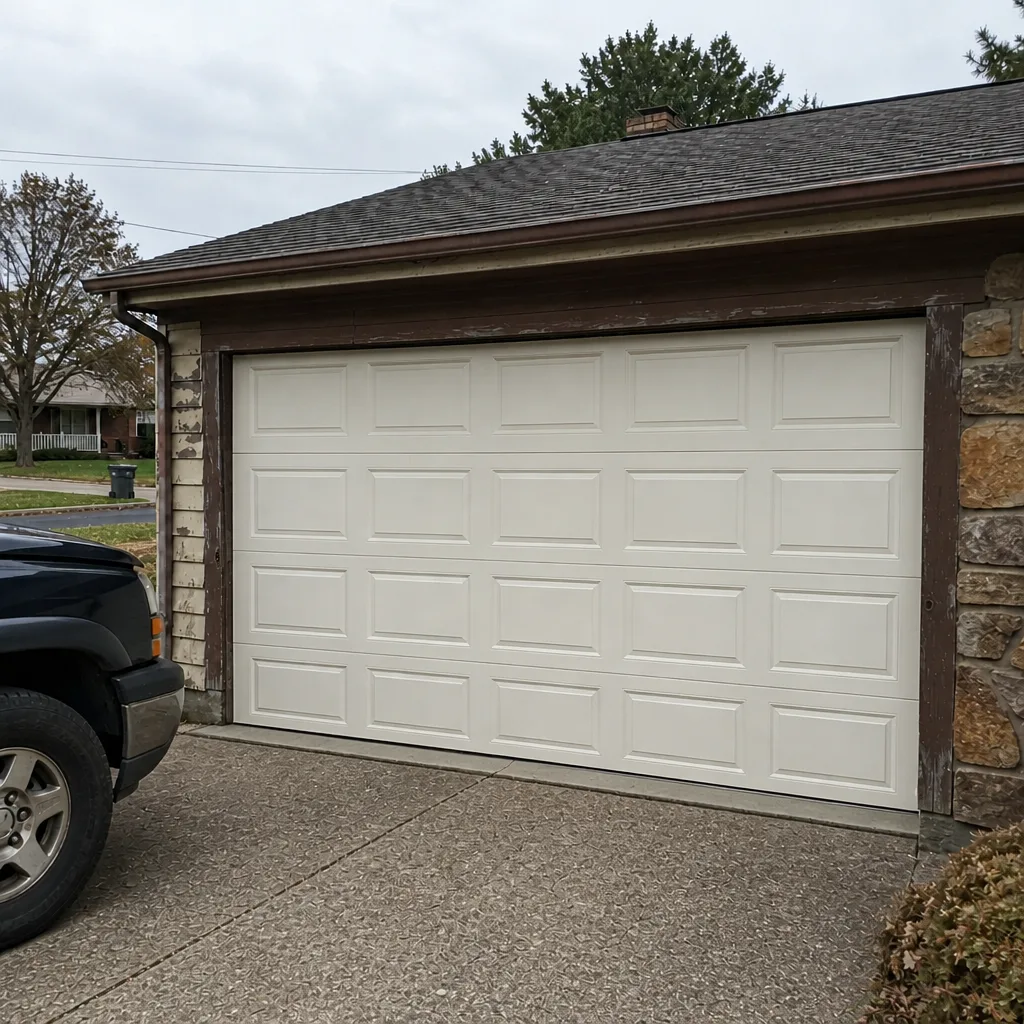
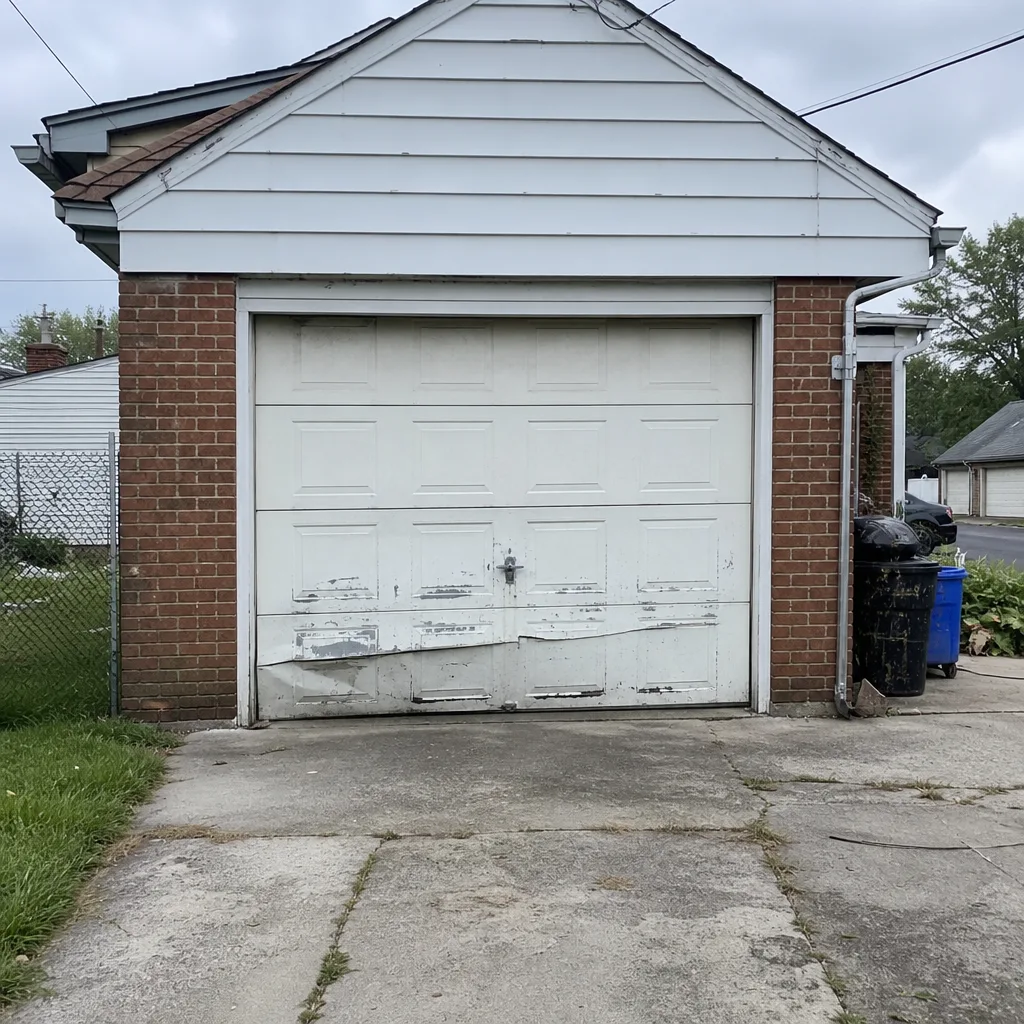
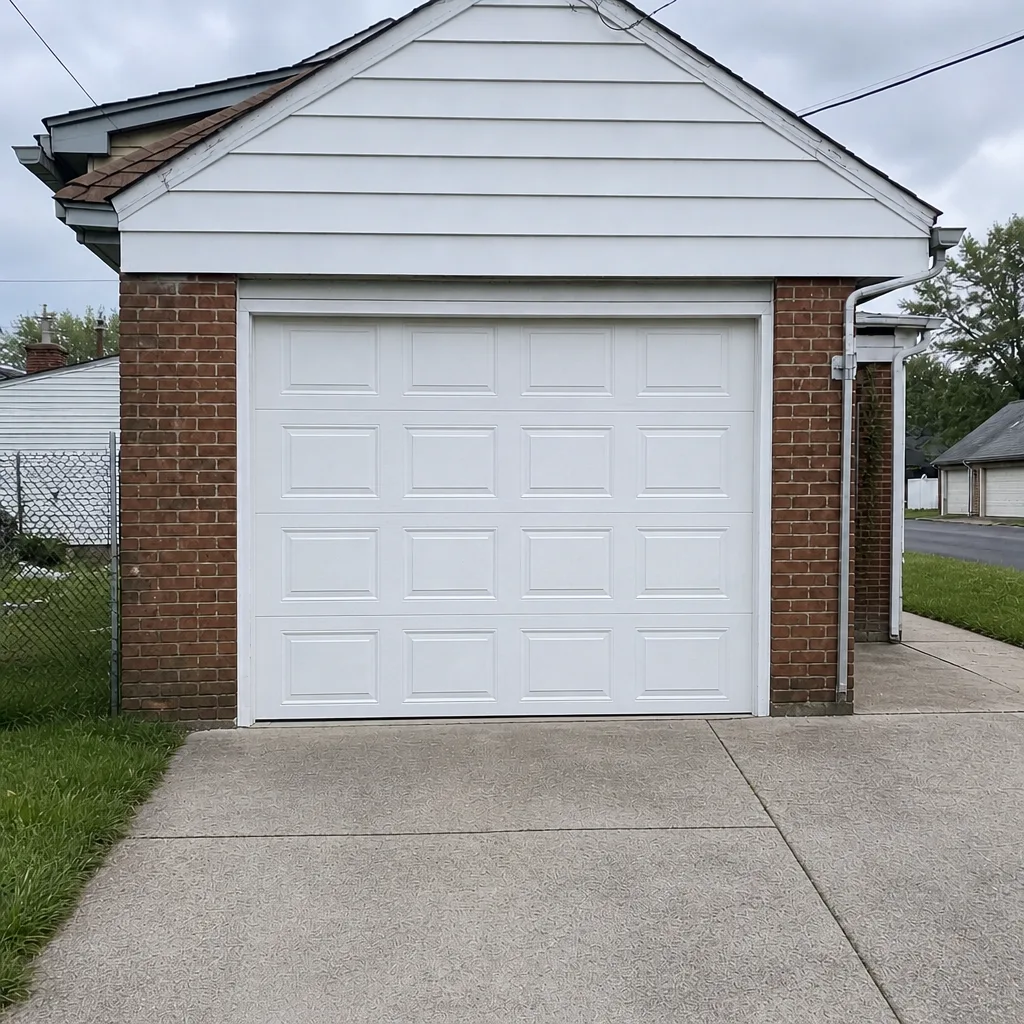
See the difference
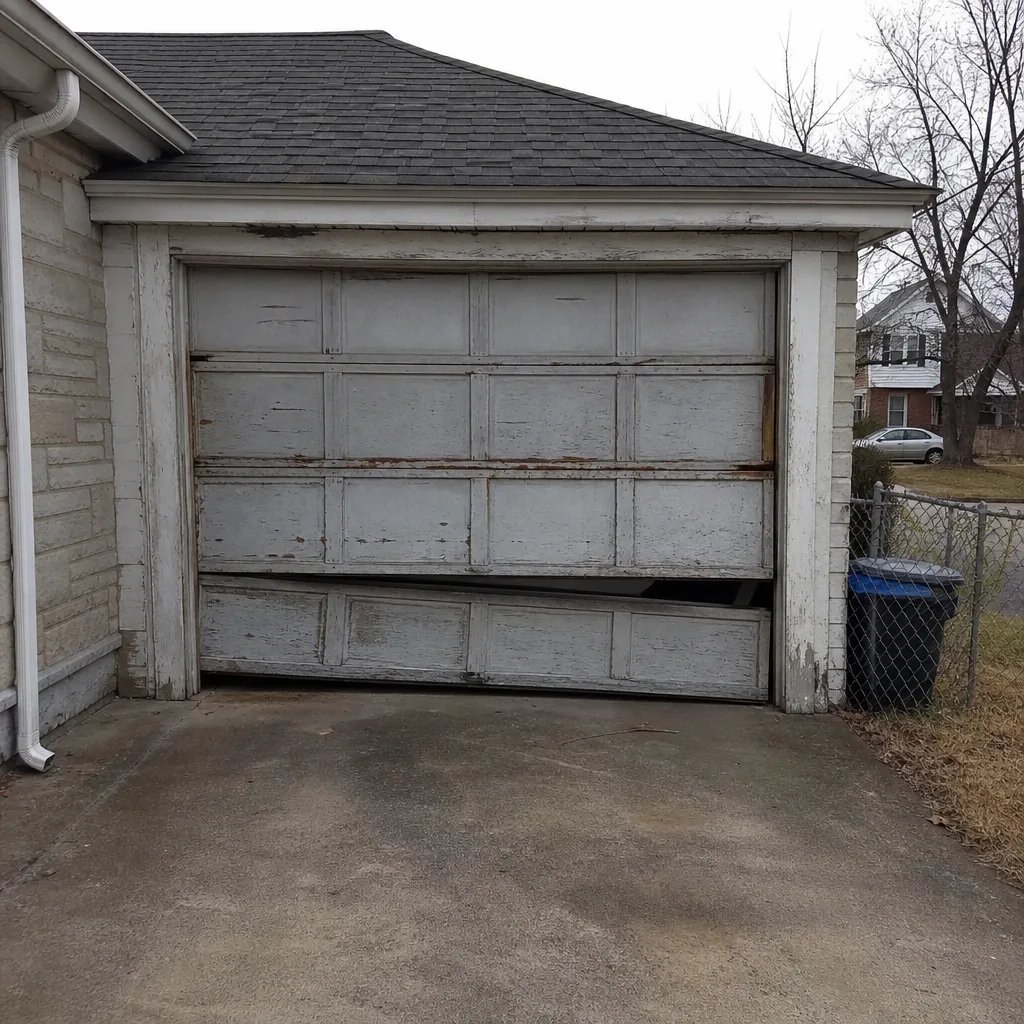 Before
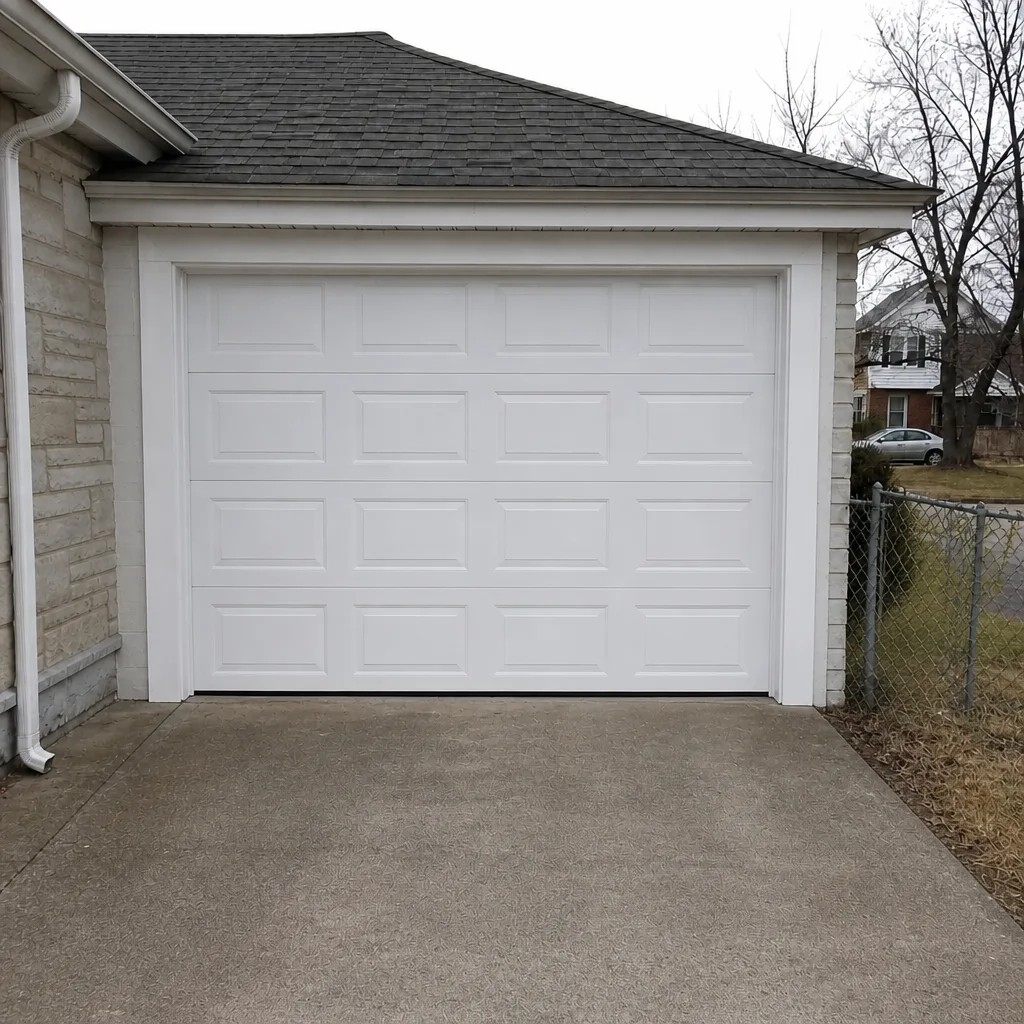 After
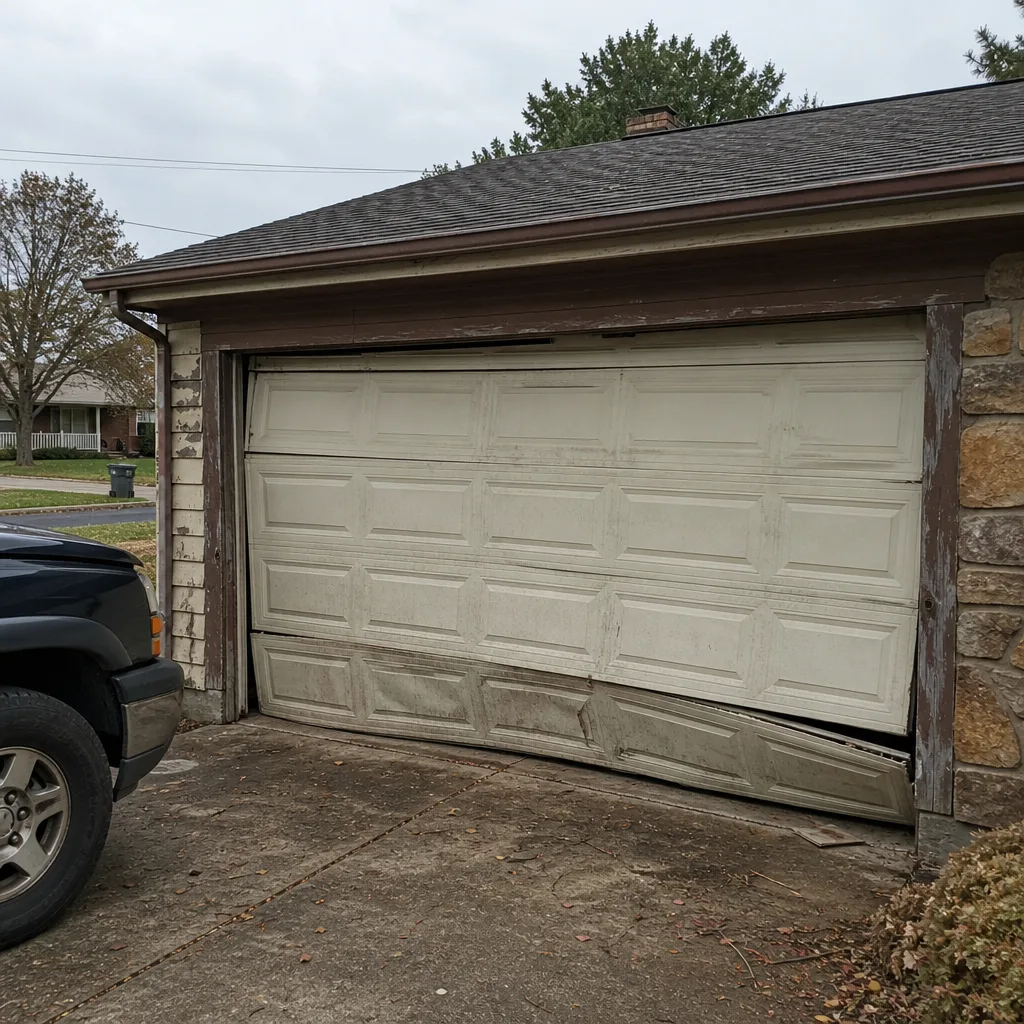 Before
 After
 Before
 After