Last updated November 23, 2026
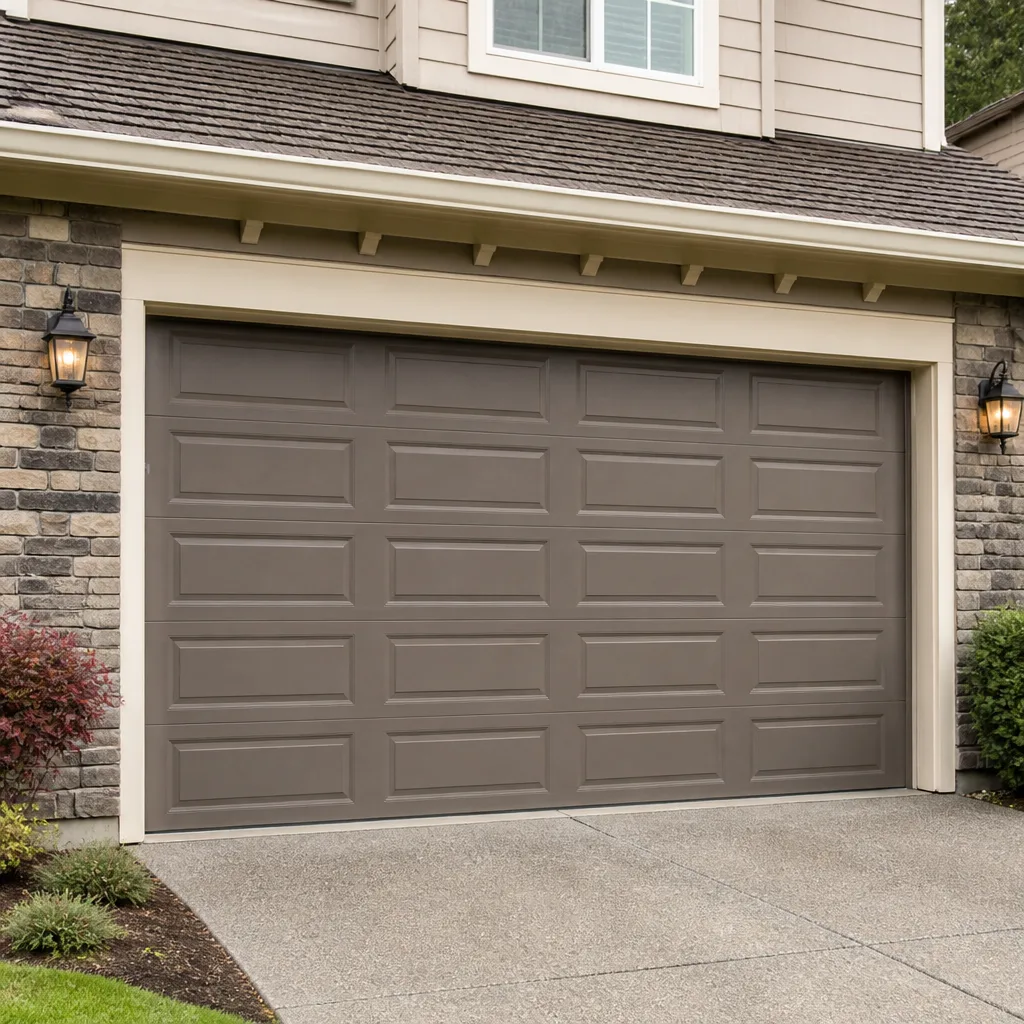 Raised-panel steel
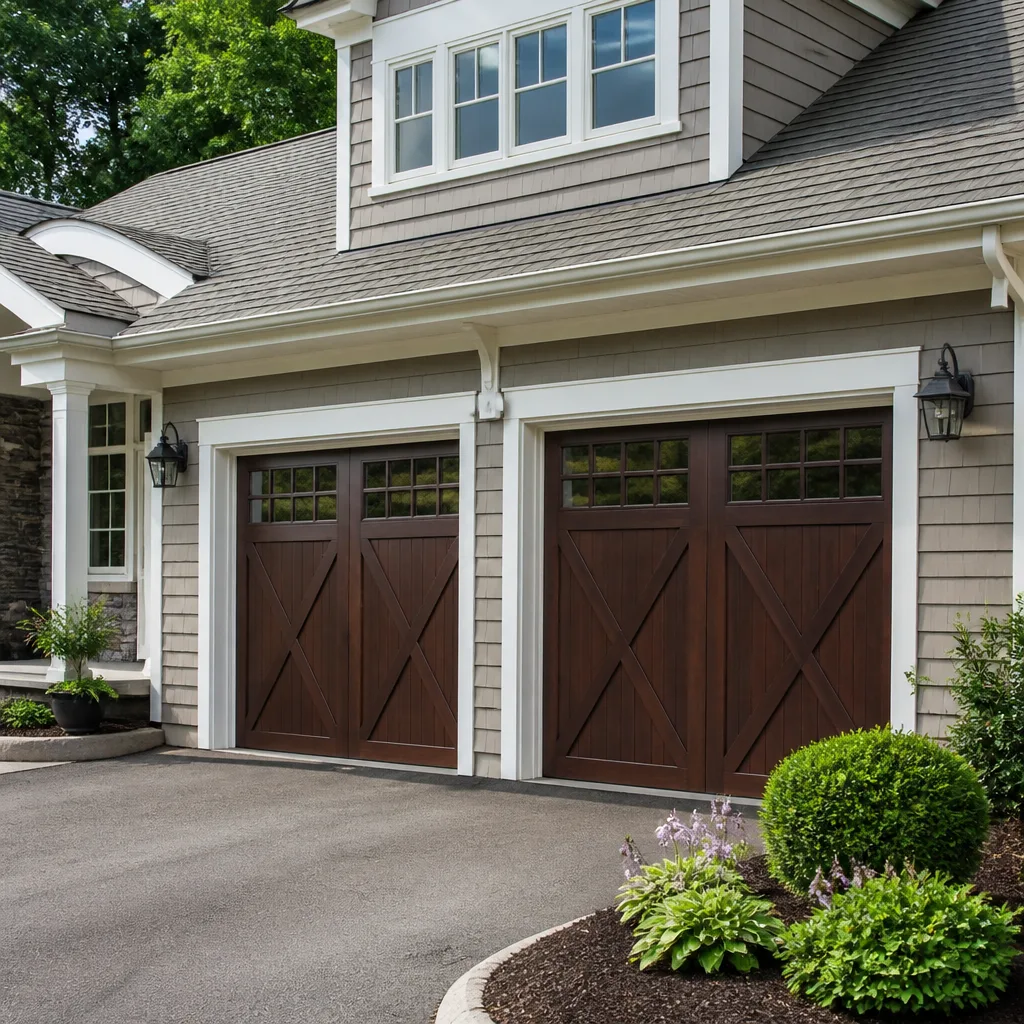 Carriage house
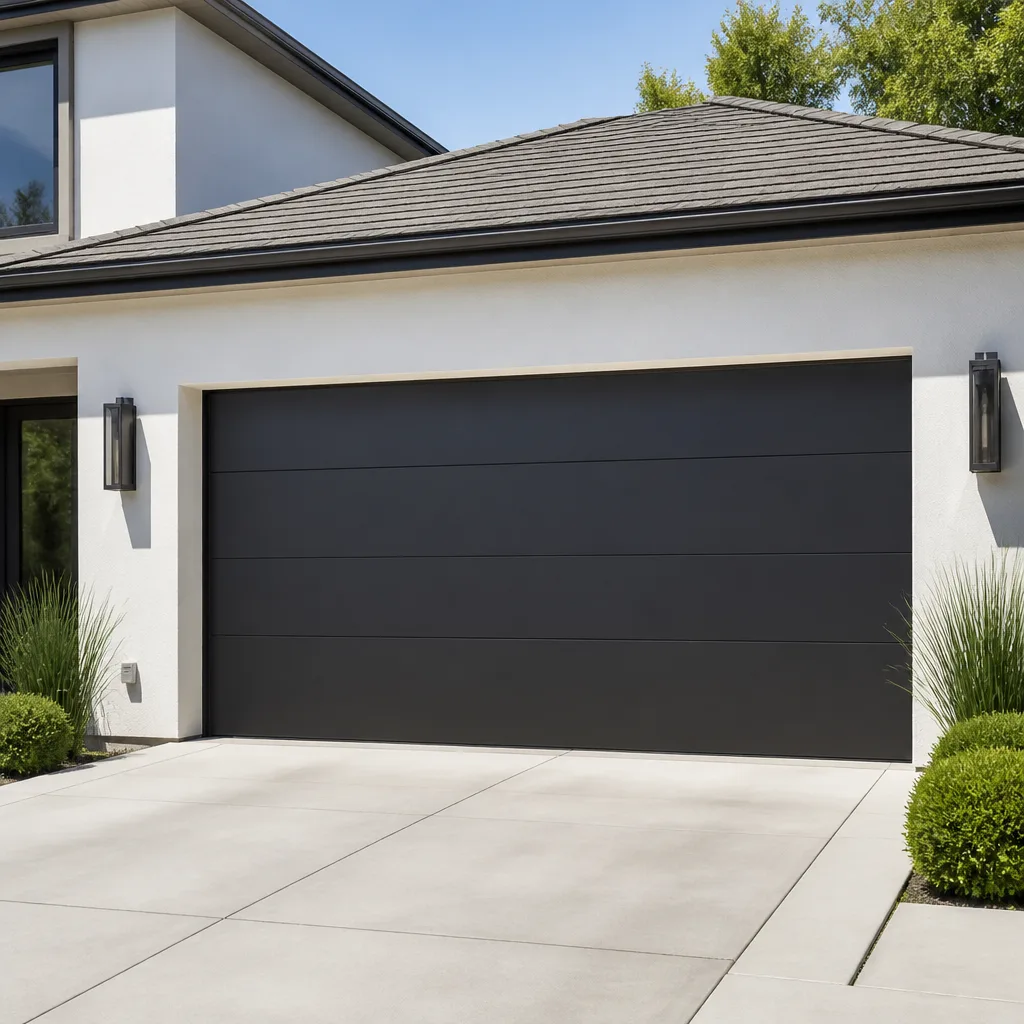 Modern flush
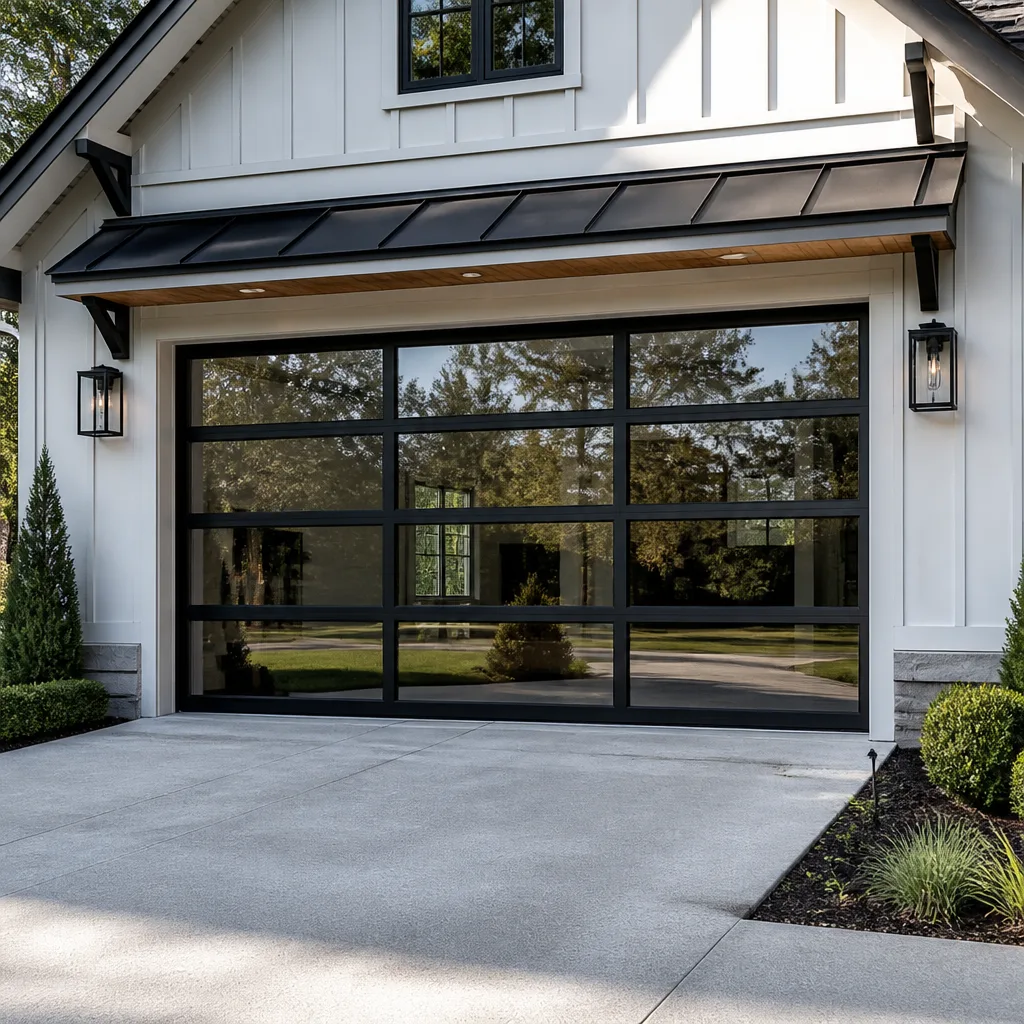 Full-view glass
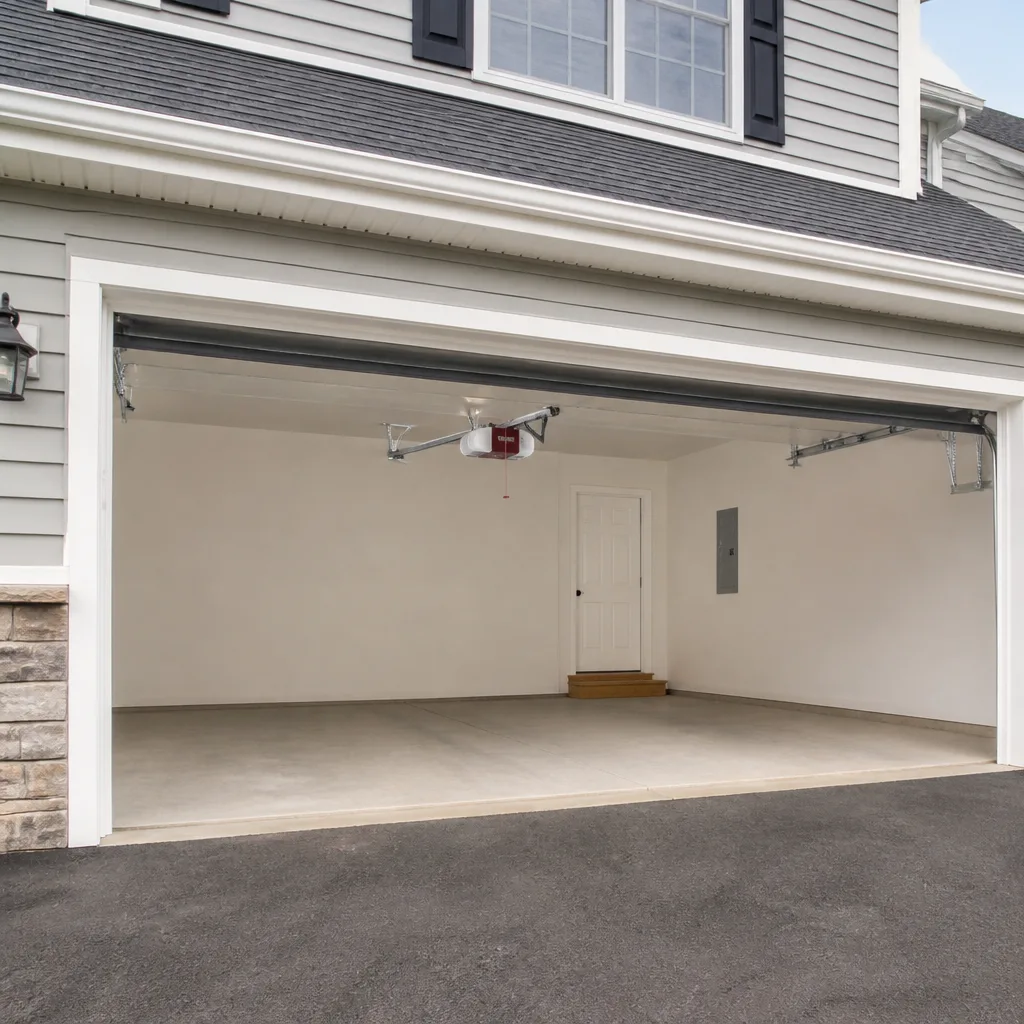 LiftMaster openers
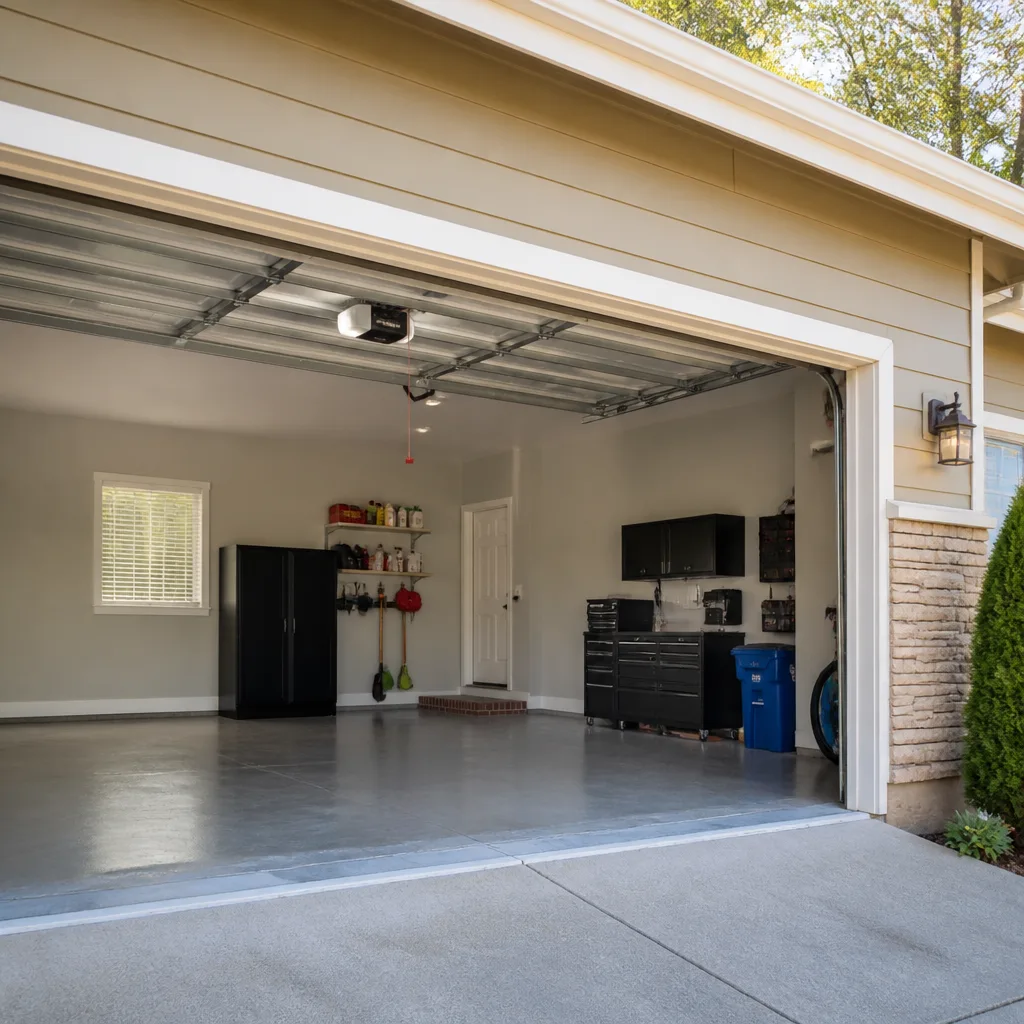 Chamberlain openers
Full 25-point door and opener safety check with every visit - springs, cables, rollers, tracks, and your LiftMaster or Chamberlain opener included
You get a price before we start. It does not change when the pro arrives.
Get your free estimateGarage Door Warning Signs: A Levittown Homeowner’s Reference Guide
A door that takes three seconds longer to open than it did six months ago isn’t “getting old.” That delay is a signal, and the usual cause is spring tension that’s drifted out of balance. Every extra second the opener motor works to lift a door it shouldn’t have to lift adds wear you’ll pay for later. The trouble is that “it still works” is the most expensive sentence in home maintenance. A door that scrapes, pops, or hangs halfway doesn’t fail without warning; it fails because the warnings get explained away. This guide is written for Levittown homeowners who want to read those signs correctly: what each sound means, how long you actually have, and which problems mean stop using the door today. You’ll finish knowing exactly which symptoms can wait for a scheduled visit and which ones need a call now.
Quick Answer
The most common garage door warning signs in Levittown are a door that moves slower than it used to, a loud bang or popping sound, a grinding noise during travel, a visible gap at the floor, or a door that won’t stay balanced halfway up. Any single loud bang or a door that drops fast usually means a broken spring, and you should stop using the door and call a professional immediately, not wait. Slower motion, mild scraping, and slight unevenness are early warnings that give you time to book a repair before they turn into a bigger one.
Styles & brands we work with
- Raised-panel steel
- Carriage house
- Modern flush
- Full-view glass
- LiftMaster openers
- Chamberlain openers
Table of Contents
- The Symptom-to-Cause Matrix
- What Each Sound Is Telling You
- Visual Signs That Are Easy to Dismiss
- Weeks vs. Today: Reading the Urgency
- The 60-Second Balance Test
- Opener Symptoms That Aren’t the Remote
- Why Levittown Doors Age the Way They Do
- Common Mistakes to Avoid
The Symptom-to-Cause Matrix
When you notice something off with your door, it helps to match the symptom to the part it points at, so you stop guessing. Here’s the matrix we work from on every call, and it’s the same list a trained tech runs through in the first few minutes. Print it, screenshot it, or keep it on the fridge if you like. The idea is simple: a symptom is a clue, and each clue points to a cause with a known failure path.
- Loud bang, then door won’t lift: Broken torsion or extension spring. The most common cause of a dead door. Stop using it.
- Grinding during travel: Worn rollers, dry hinges, or a bent track. Left alone, it eats the track and the opener motor.
- Popping or snapping during first inches of lift: A cable jumping its drum or a loose hinge, sometimes a failing spring winding.
- Scraping at one spot on the way up: A track out of alignment or a bent panel dragging. It flexes the door a little more each cycle.
- Door opens slowly and strains: Spring tension off, or opener force limits too high. Motor wear follows.
- Gap at the floor on one side: A cable that’s stretched or a track that’s tilted. Rainwater and drafts follow.
- One panel slightly out of plane: Hinge failure or a bent stile. Ignored, it spreads load to the next panel.
- Opener light flickers or door reverses: Logic board or safety sensor issue, not the remote.
The matrix isn’t a diagnosis on its own. Two doors can make the same sound for different reasons, which is why the visual inspection matters just as much as the noise report. But it turns a vague “something’s wrong with the door” into a specific question: is the spring tension off, is a cable failing, or is the opener struggling? Levittown homes with older systems tend to show several of these at once, and the order they’re addressed matters.
What Each Sound Is Telling You
Sound is the earliest signal a garage door gives you, and it’s also the one most often tuned out. A healthy door is quiet: a soft whir from the opener and the light rustle of rollers in the track. Anything else is information. Learning to match the sound to the part is the fastest way to know whether you’re facing a repair you can schedule for early morning or a call that can’t wait.
Grinding
Grinding means metal is meeting metal where it shouldn’t. Worn rollers, dry hinges, or a track that’s out of alignment are the usual suspects. Grinding never fixes itself, and the cost of ignoring it compounds: the grinding chews at the track until the track itself needs replacement, and it puts extra stress on the opener motor every cycle. A garage door repair visit for grinding is usually quick and contained. Left for months, it climbs.
Popping or Snapping
A pop or snap, especially in the first few inches of travel, is often a cable jumping its drum or a hinge plate flexing. It can also signal a spring that’s about to give. This is the sound that most often precedes a broken spring, so treat it as an early warning with a short fuse.
Scraping
Scraping at one spot in the door’s travel usually points to a track out of alignment or a panel dragging. It seems minor because the door still opens, but every pass flexes the panel a little more. A panel that starts slightly out of plane can twist enough to crack or need replacement within a season or two.
Banging
A loud bang followed by a dead door is the classic broken-spring signal. If you hear it, stop operating the door. Springs sit under high tension, and a broken one leaves the door unsupported. Pulling the manual release on a door with a broken spring can be dangerous, and winding or replacing springs is not a homeowner job. Call us, and we’ll get a trained technician out to restore the door safely.
Visual Signs That Are Easy to Dismiss
Sound gets attention; the eye tends to gloss over the small stuff. These visual signs are the ones homeowners most often explain away, and each one has a real failure timeline behind it.
- Slight cable fraying. A few stray strands at the drum look cosmetic. In practice, cables fray progressively, and a frayed cable is one snap away from dropping the door. This is a schedule-it-soon sign, not a wait-and-see.
- Uneven gap at the floor. One side sitting slightly higher off the concrete is a symptom of a stretched cable or a track tilt. It’s also where rain gets under the door and where drafts come through in winter. Fix the cause, not the gap.
- One panel slightly out of plane. A panel that isn’t quite flat to its neighbors usually means a hinge has failed or the stile is bent. The nearby panels carry the extra load, and the failure spreads. Months, not years.
- Rust or wear at the hinges and rollers. Small rust runs at the hinge plates tell you the lubrication schedule has lapsed. Left, the rollers seize and the opener motor pays the price.
- Springs with a visible gap or stretch. A torsion spring that’s visibly stretched beyond its original shape, or an extension spring with a gap in the coil, is telling you it’s near the end of its life.
None of these are “call right now” emergencies on their own. All of them are “call this week” signs, and each one has a clear next step. In Levittown, the change of seasons is when these small signs get noticed, because that’s when the door gets used more and the temperature swing stresses the parts. That makes a good time to check the door and book a repair if something looks off.
Weeks vs. Today: Reading the Urgency
Not every warning sign means the same thing. The single most useful skill is telling the signs that give you weeks from the signs that mean stop using the door today.
Stop using the door today
- A loud bang followed by a door that won’t lift. Almost always a broken spring.
- A cable that’s snapped or hanging loose.
- The door hanging unevenly at rest, clearly tilted.
- A door that won’t stay up when you push it halfway and let go (a sign of broken spring or cable).
- A door that drops fast when released or falls freely.
In any of these, don’t force the opener to keep working. It will drag the door unevenly and put more stress on the parts. Call for emergency garage door service; this is exactly what our after-hours availability is for.
Schedule a repair this week
- Door moving slower than usual or straining.
- Grinding, scraping, or popping during travel.
- A visible gap at the floor on one side.
- A panel slightly out of plane.
- The opener light flickering or door reversing randomly.
These are the signs the door gives you weeks to act. Every extra week adds to the bill, though. A grinding roller that’s allowed to run becomes a scored track; a straining opener becomes a burnt motor. Book the visit, get the issue confirmed, and fix it before the timeline runs out. If you catch a sign and aren’t sure which category it falls into, a garage door repair visit is the fastest way to find out from someone who does this daily.
The 60-Second Balance Test
This test tells you whether your springs are doing their job, and you can run it in about a minute with no tools. It’s the single best check a homeowner can do to catch a failing spring early.
- Close the door fully. Disconnect the opener first, using the manual release handle.
- Raise the door partway by hand to about waist height. Use a firm, even pull.
- Let go. The door should stay there, more or less where you left it.
- Read the result. If it stays put, balance is fine. If it drifts down, springs are losing tension. If it drifts up, the tension is too high. If it drops fast, a spring or cable has failed.
Remember: a balanced door doesn’t need much help from the opener. When balance is off, the opener motor does the lifting the springs should be doing, which is why balance problems shorten motor life. If the door stays up but feels heavy or you have to hand it a boost, that’s the same signal. Run this test once a season for a baseline, and again whenever the door starts behaving differently. If it fails, please don’t try to adjust a spring. High-tension springs are dangerous, and this is the point at which a trained professional should take over. garage door spring repair covers how a technician reads and fixes exactly these symptoms.
Opener Symptoms That Aren’t the Remote
When the opener misbehaves, most people try the remote battery first. That’s a reasonable start, but a lot of opener symptoms have nothing to do with the remote and everything to do with the logic board, the safety sensors, or the unit’s force settings.
- Light flickers or dims. Often an internal component or the logic board struggling. Not a battery.
- Slow response, then normal. Could be sensor alignment or the board failing intermittently.
- Door reverses on closing, especially near the floor. The safety sensor sees an obstruction, or the sensor mirrors are misaligned. The logic is: stop, don’t crush.
- Closes, then reopens immediately. Same category: sensor or force-limit issue. Don’t force it to stay closed.
- A short chirp and no motion. Logic board or safety failure, not the remote.
The modern picture matters here. A smart-home-connected opener has logic boards that talk to phones, and those boards can fail the same way any board fails. We work on openers from Chamberlain, LiftMaster, Genie, and Craftsman, both the current Wi-Fi units and the legacy models that came before them. That matters because a board issue on a connected unit is a different repair from a battery issue, and chasing the wrong one wastes time and money. If you’ve tried a fresh battery and the door is still misbehaving, garage door opener repair is the right next step.
One note on force limits: if the opener’s force settings are cranked up to push past a heavier door, the motor is doing work the springs should do, and it will burn out sooner than it should. A technician can check balance and force settings together, which is the honest fix.
Why Levittown Doors Age the Way They Do
Garage doors here face a specific pattern of wear. Levittown’s climate runs from sticky humid summers to cold winters with repeated freeze and thaw, and that cycle is genuinely hard on a garage door. The thing that ages fastest is the steel and hardware.
Here’s what that looks like in the parts. Steel springs and cables face the most swing, because temperature changes expand and contract metal and the springs flex with it. Wood and steel door panels take on moisture, which shows up as small warps at the bottom panels. Hinges dry out faster in dry winters and rust faster in wet ones. The concrete floor at the opening can heave slightly over a hard winter, and that’s where some of the “gap at the floor” complaints come from. None of this is unusual for a Levittown home; it’s just the local wear pattern.
The practical takeaway: check the door twice a year, once in late fall before the cold sets in and once in spring after the thaw, and give the rollers and hinges a light oiling. That won’t prevent every problem, but it surfaces the early signs when they’re still small. Levittown has a lot of homes with doors and openers that have been through many seasons, and the ones that last are the ones where the small signs got addressed early.
Common Mistakes to Avoid
- Waiting for the door to stop working. A slower door is telling you the spring tension is off. Waiting means the opener motor has to work harder on every cycle, which is the leading cause of motor wear.
- DIY spring adjustment. Springs sit under high tension. Untrained hands on a spring can cause serious injury, and no reliable repair gets done that way. Leave it to a trained technician.
- Pulling the manual release on a broken door. With a broken spring, the door is unsupported. Pulling the release can drop it. Don’t test your luck.
- Replacing the remote when the logic board is the problem. A flickering light or periodic reversal usually points at the board or sensors, not the remote.
- Assuming a new door is the only answer. Most doors with a warning sign can be repaired. Replacing is a choice, not the default, and it’s the last option we suggest rather than the first.
- Ignoring a small gap at the floor. That gap lets in water and cold air, and it points to a cable or track issue. It won’t stay small.
- Forgetting the seasonal check. In Levittown’s temperature swings, a door that gets looked at twice a year lasts longer than one that never does.
See the difference
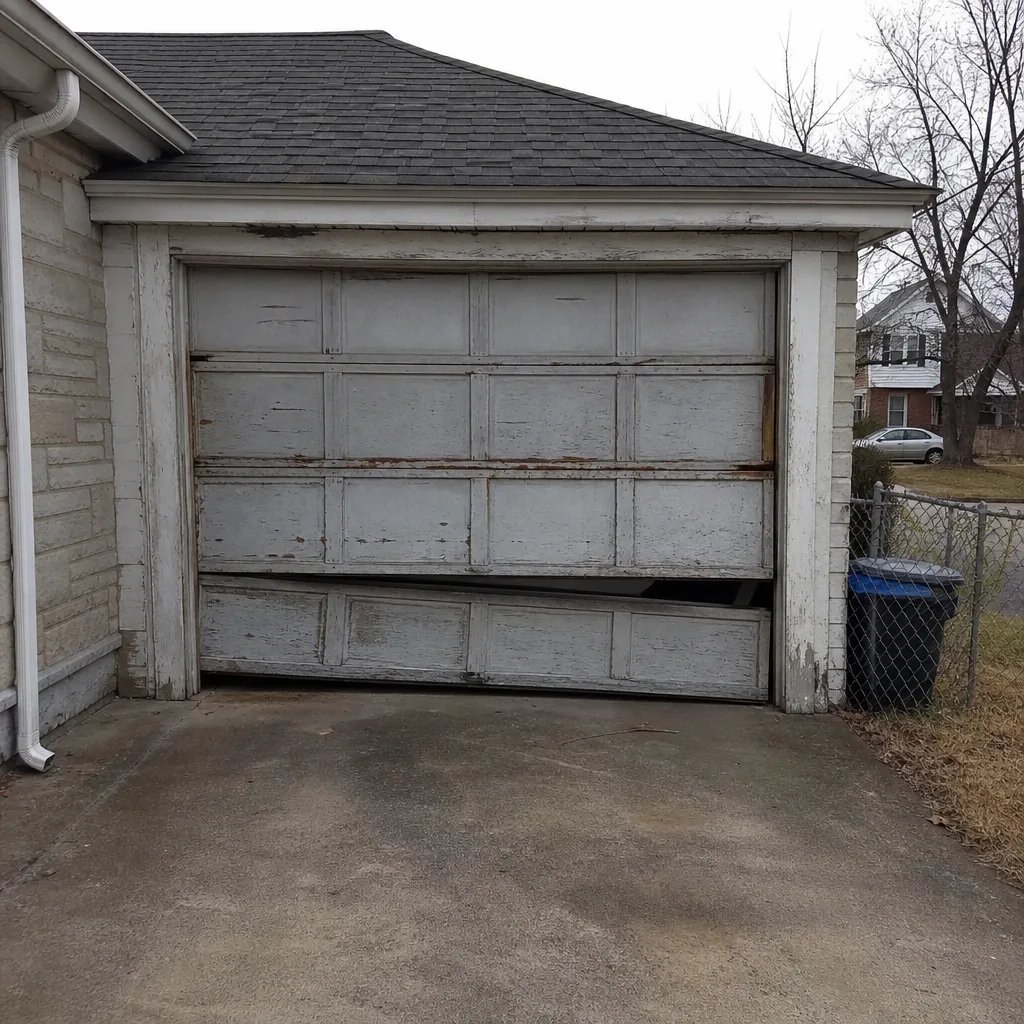 Before
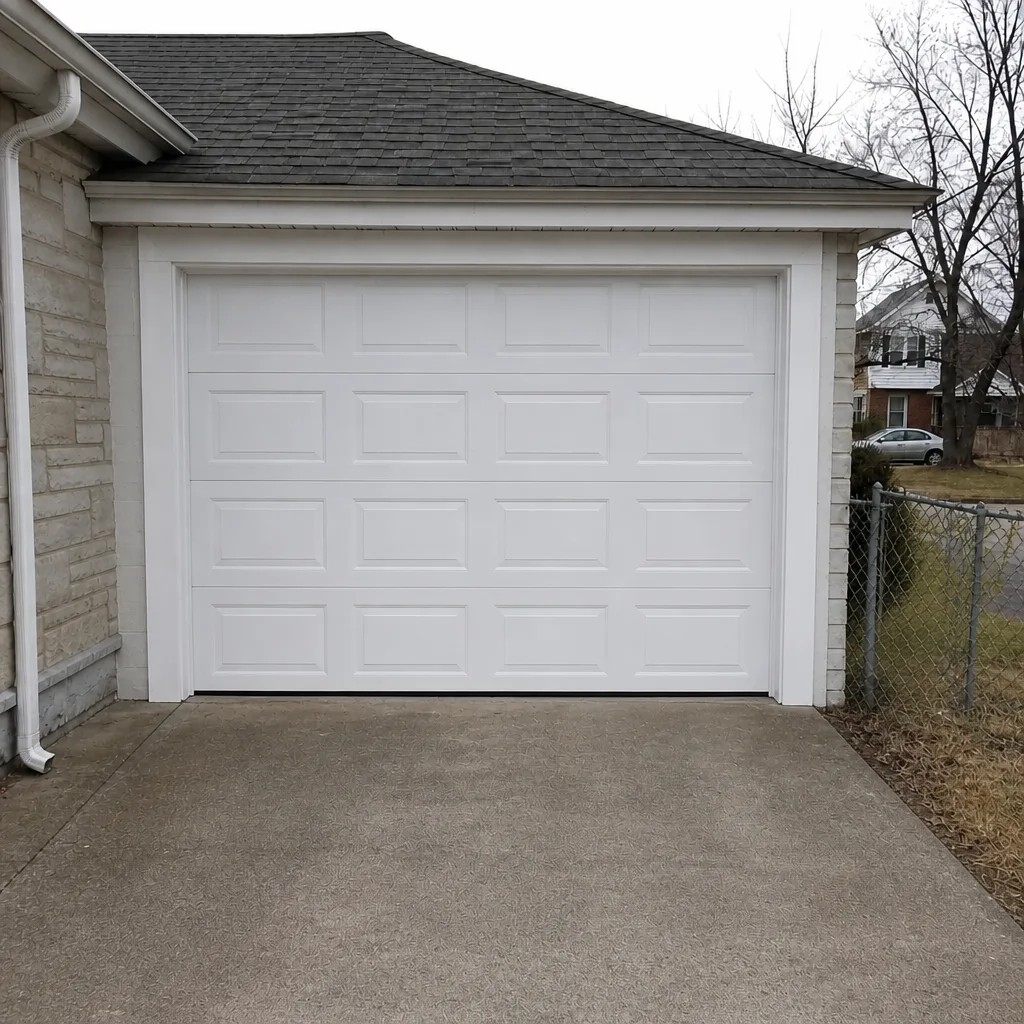 After
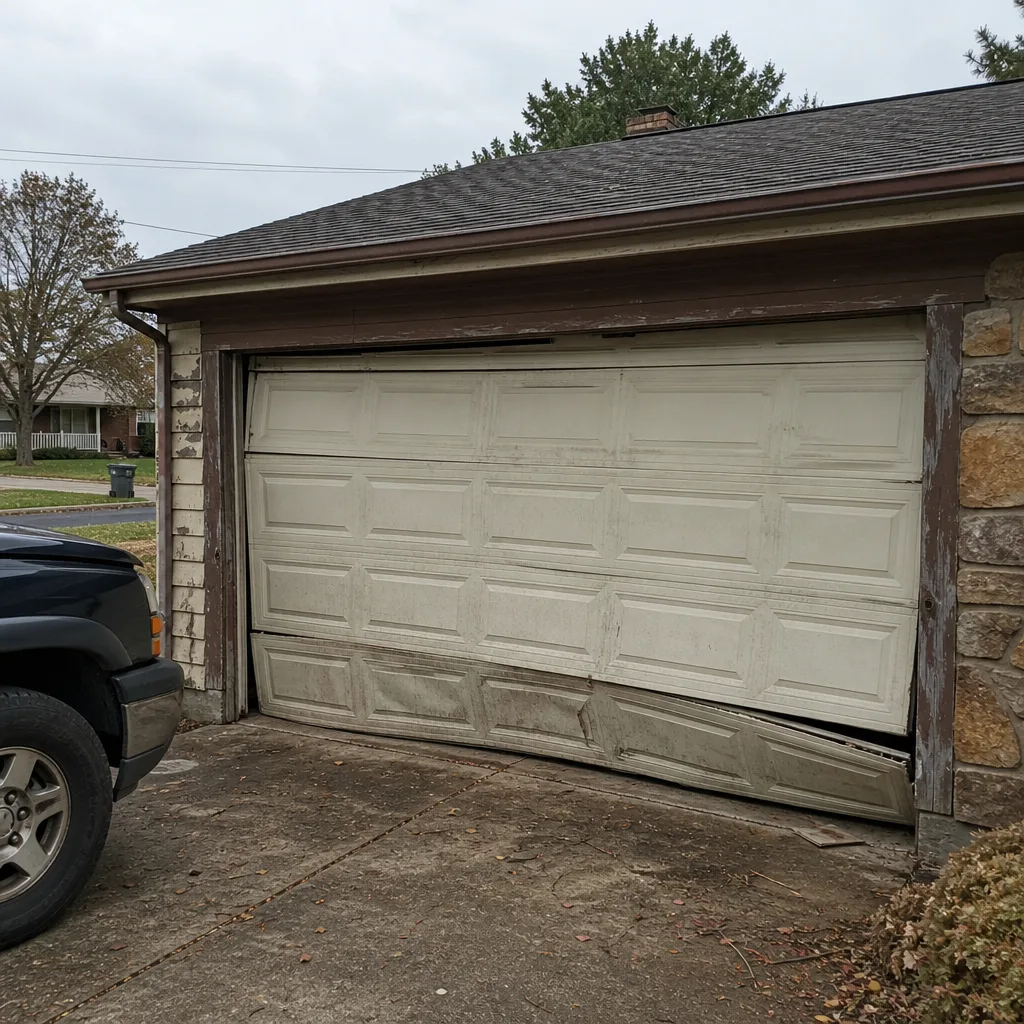 Before
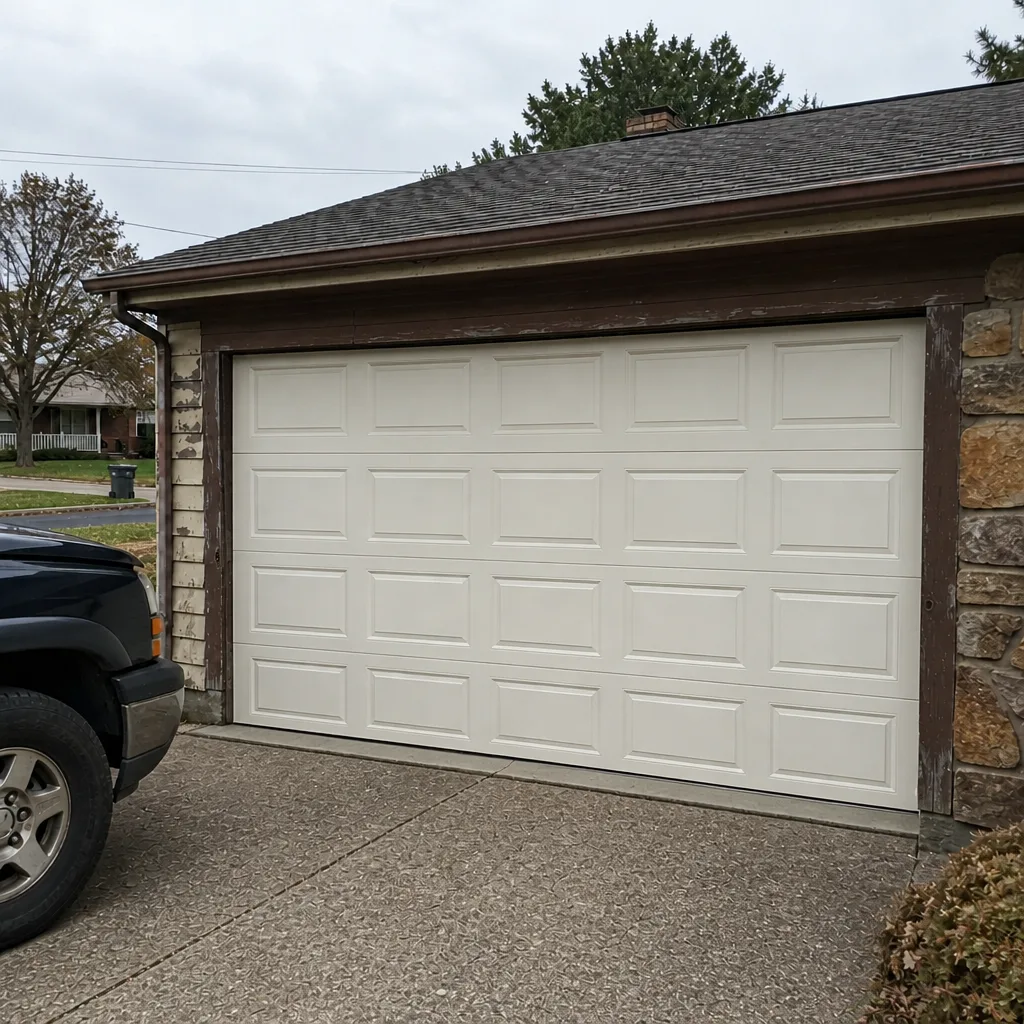 After
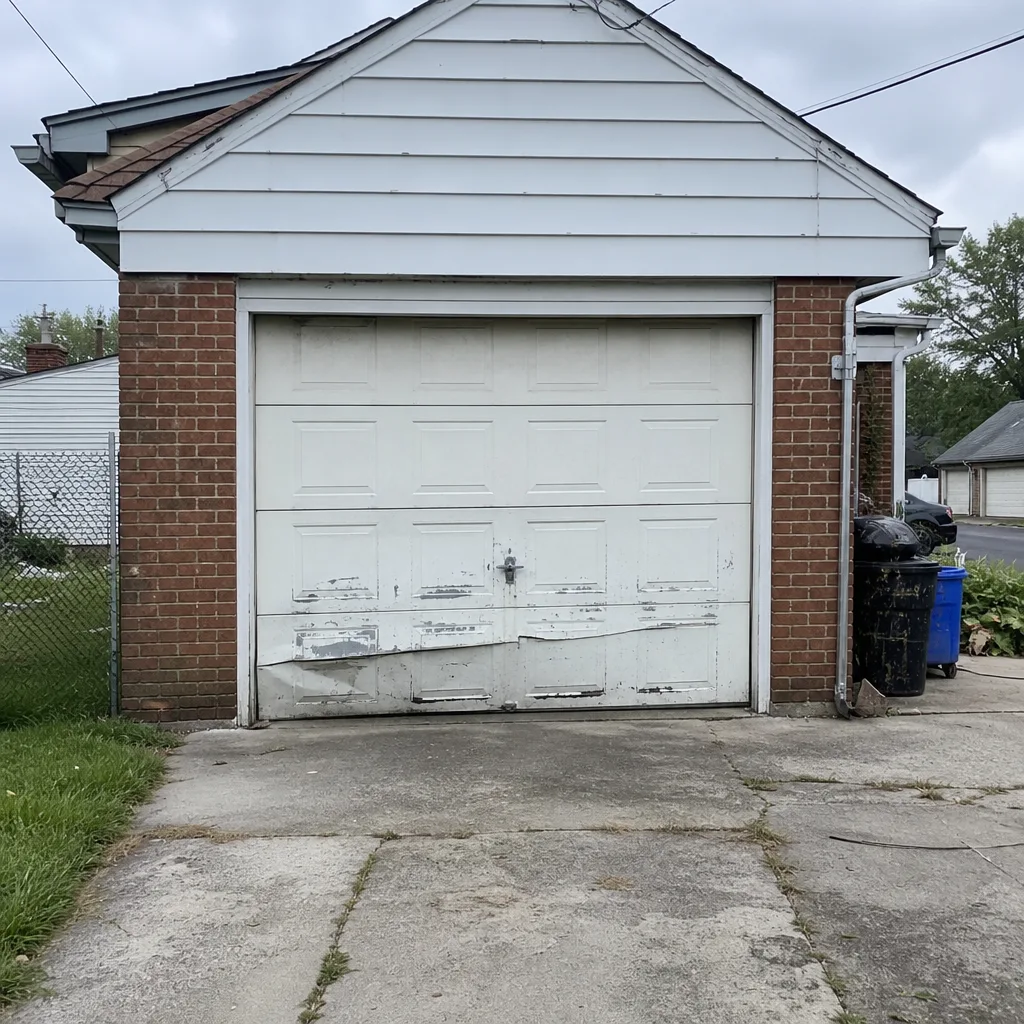 Before
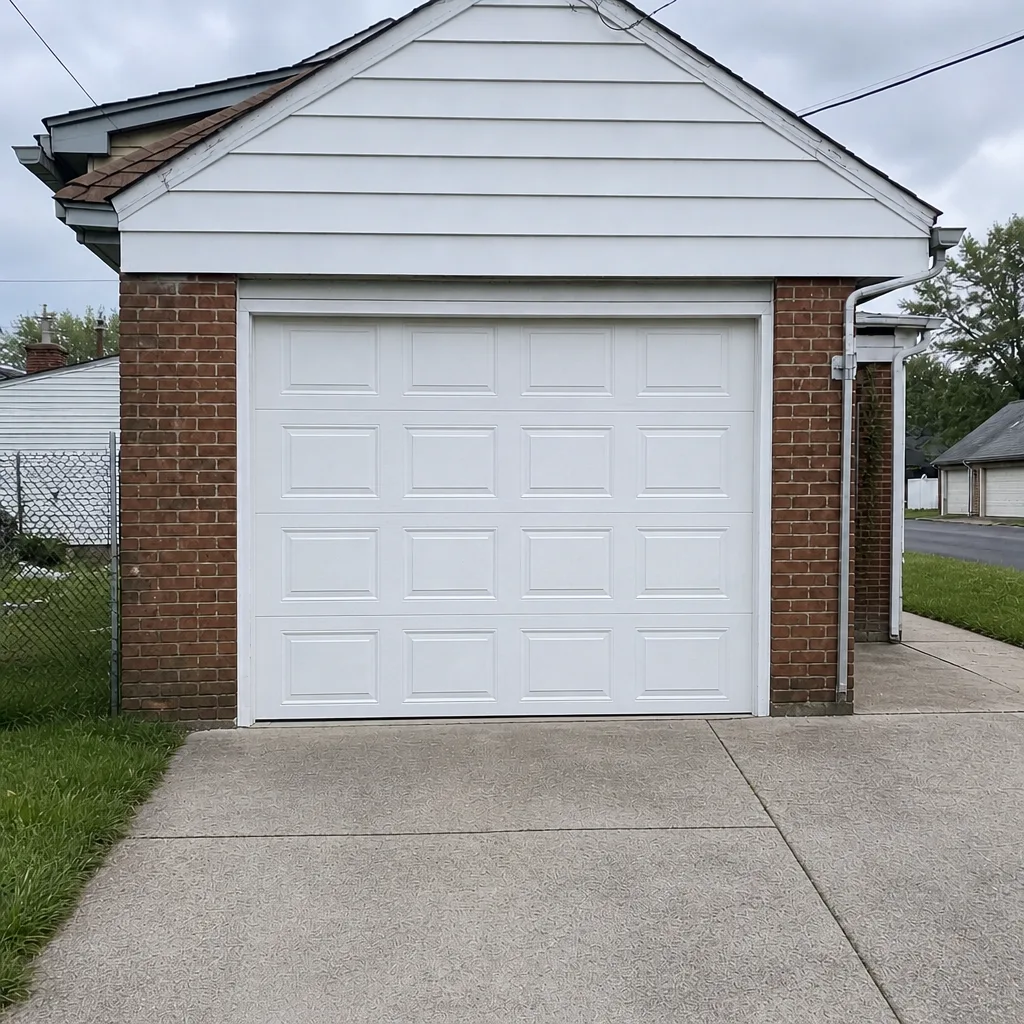 After
When to Call a Professional
Call a professional the moment a door won’t open or close, when you hear a loud bang, when the door hangs unevenly, or when the opener reverses or stalls. Those are the signs that mean stop using it and get a trained pair of hands on it. The smaller signs (grinding, slower motion, a gap at the floor) also deserve a call, but you have time to schedule a repair rather than rush. When you’re ready, Levittown Garage Door Repair Pros offers free estimates in Levittown, and our technicians have up to 9 years of experience. Call (888) 618-9767. We’re open Sunday through Friday, 7am to 7pm, and closed Saturday.
Frequently Asked Questions
The first sign is usually a change in speed: the door takes longer to open or close than it used to. That points to spring tension drifting out of balance. If the change is sudden and paired with a loud noise, suspect a spring that’s failed or failing, and stop using the door. Call (888) 618-9767 for an exact quote on what’s happening, and we’ll advise you on what to do right away.
A broken spring usually announces itself with a loud bang, and then the door won’t lift or will hang unevenly. On torsion springs, you may see a visible gap about the size of a finger. In any of those cases, stop using the door and call for spring repair. Don’t try the manual release or a DIY fix, because the spring is under high tension and dangerous to work on. Ours is a safety-critical service done by trained technicians.
For simple noise from hinges and rollers, a light oiling is fine and safe for most homeowners to do. But if the noise is grinding, popping, or scraping in a specific part of the travel, it points to a part failing, not just needing lube. That’s when to call. A quick garage door repair visit can tell you whether it’s something simple or something more.
Yes, emergency garage door service is a core part of what we do, built for the situation where a door won’t open or close and security or access can’t wait. We’re open Sunday through Friday, 7am to 7pm, and closed Saturday. If your door fails outside those hours, call and we’ll book you for the next available slot. Call (888) 618-9767 for an exact quote.
No, the price quoted and agreed before any work starts is the price. That’s the whole point of upfront pricing. When the technician sees the job in person, the quote is confirmed and nothing changes from there. Call (888) 618-9767 for a free estimate.
Yes, the local professionals we connect you with are licensed and insured as the state requires; that’s standard for a job that involves high-tension springs and moving parts. We work on major brands including Chamberlain, Genie, Clopay, and Amarr, so whichever system is in your home, we can work on it. Call (888) 618-9767 to talk through what’s happening with your door.
The Bottom Line
A garage door warns you before it fails. The signs are small at first: a slower lift, a mild grind, a slight gap at the floor, a flicker in the opener light. Read them like the diagnostic signals they are and you have a schedule-you-soon repair. Ignore them and the same problem becomes a today problem. The test that matters most is the 60-second balance test and the two-a-year inspection against Levittown’s seasonal temperature swings. If something doesn’t look or sound right, don’t wait for the failure. Call (888) 618-9767 for a free estimate, and we’ll confirm what’s going on and what it actually needs. One call, full fix.
Written by the team at Levittown Garage Door Repair Pros.