Last updated November 23, 2026
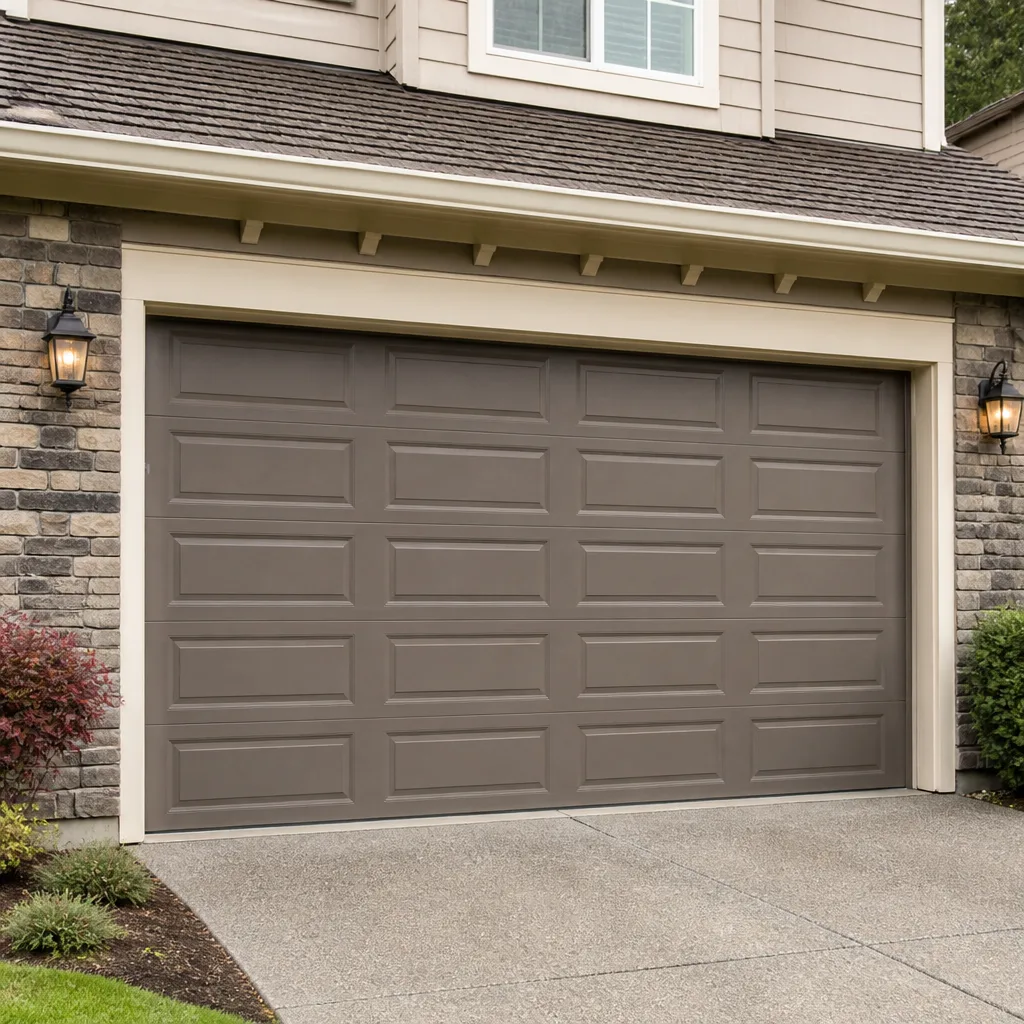 Raised-panel steel
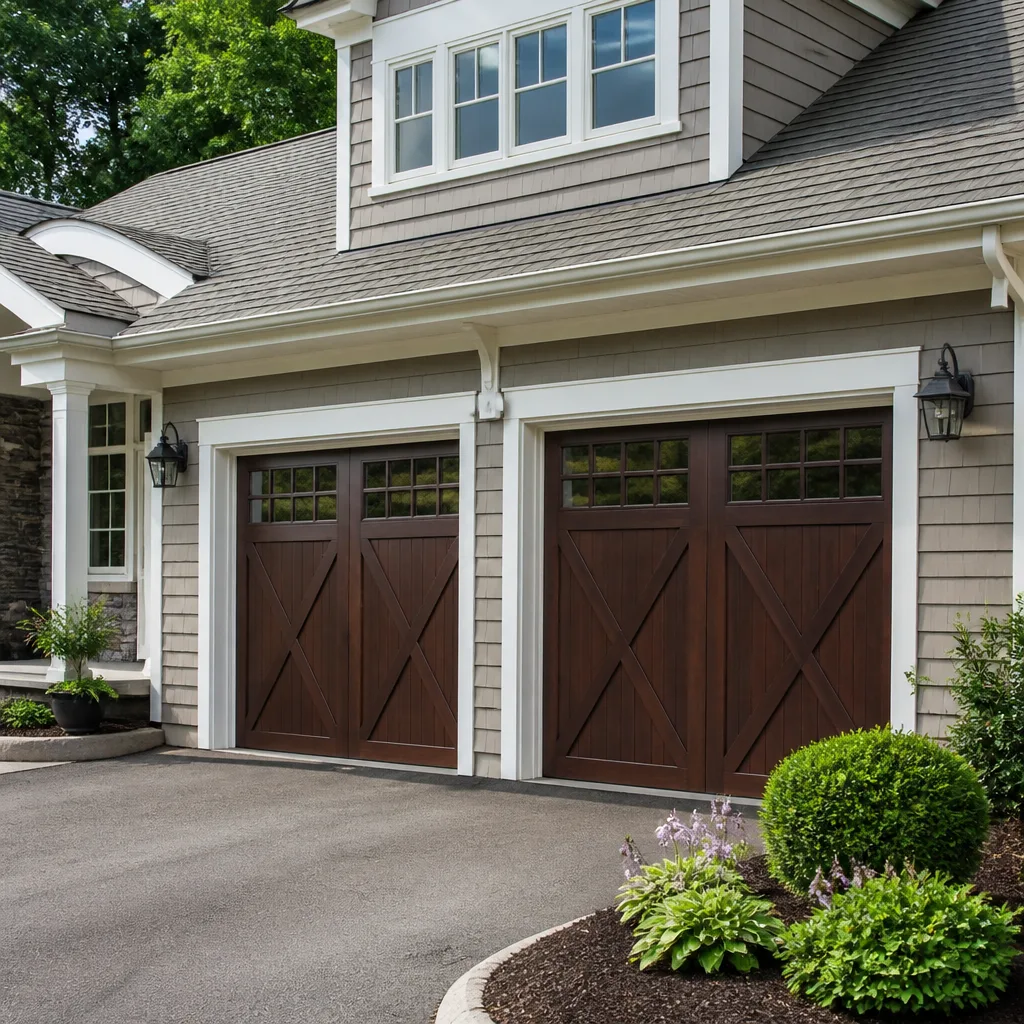 Carriage house
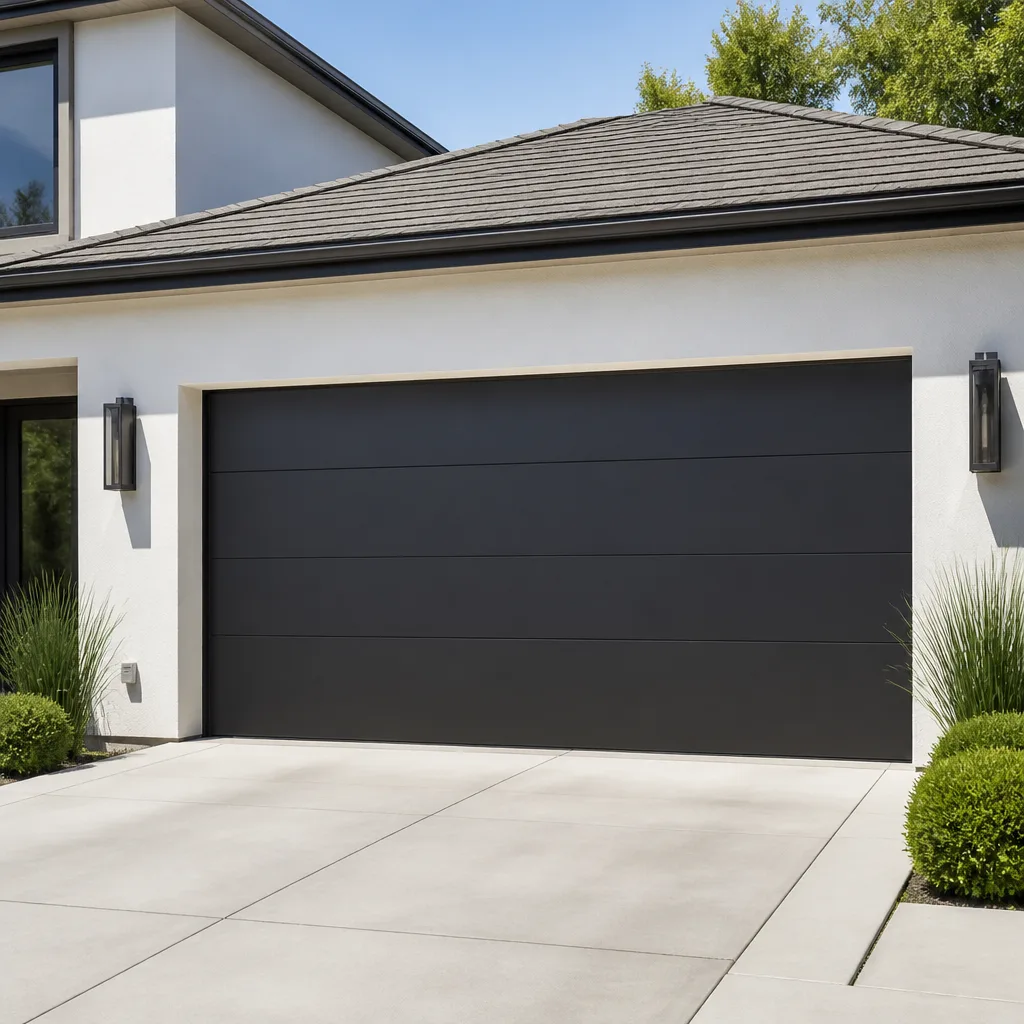 Modern flush
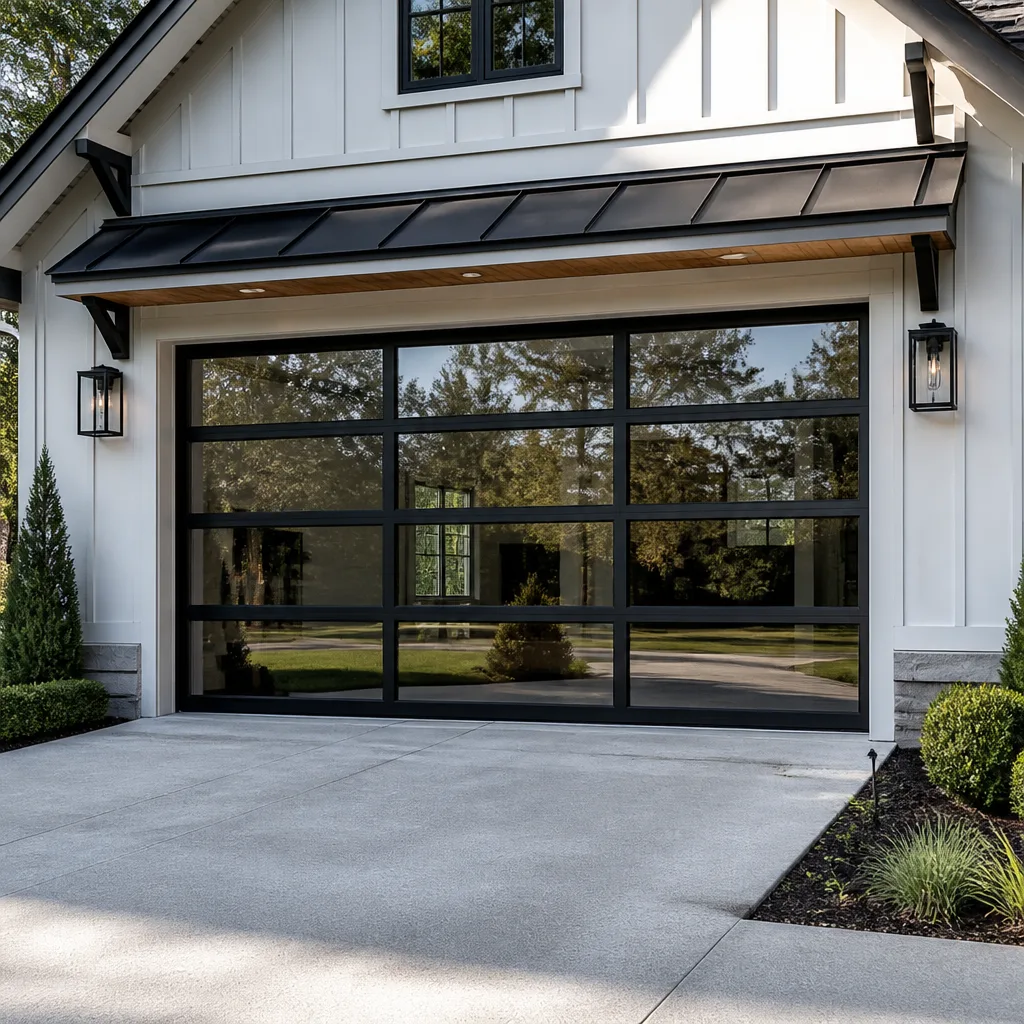 Full-view glass
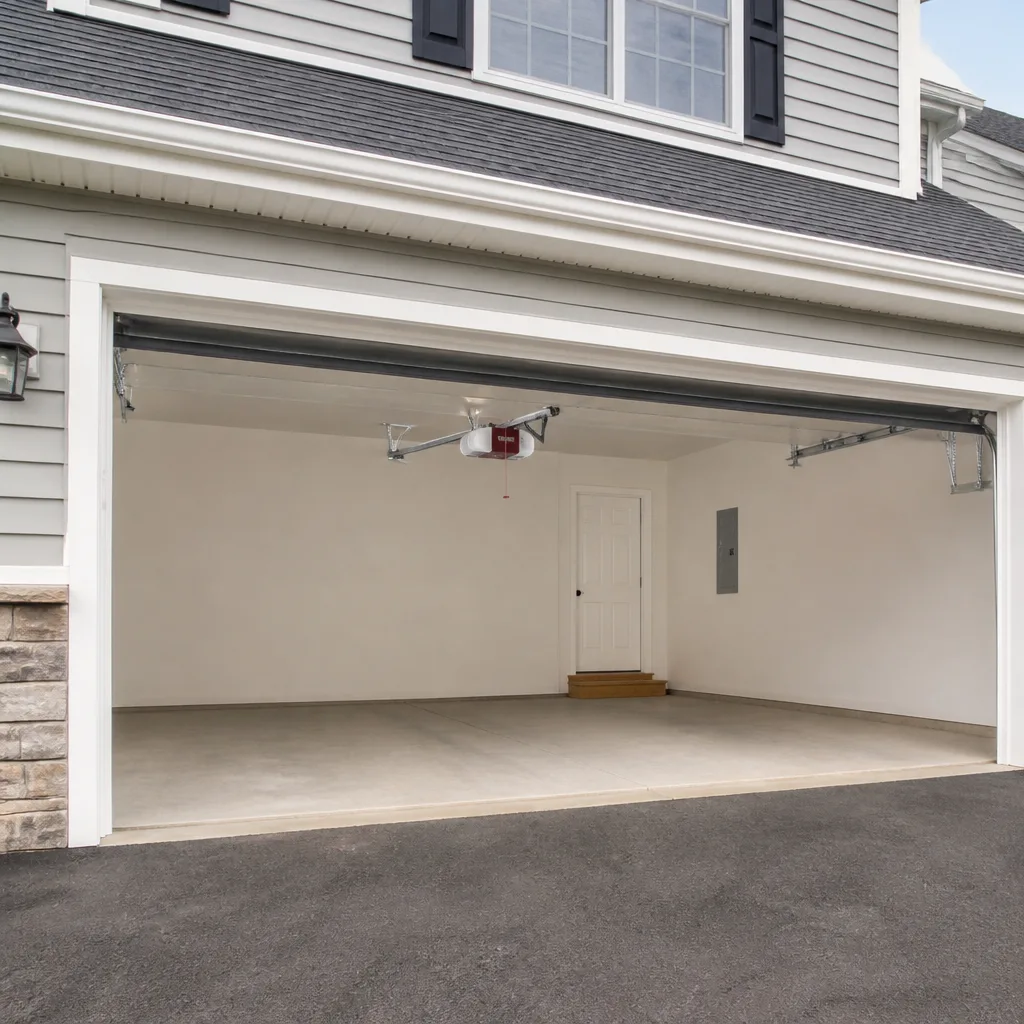 LiftMaster openers
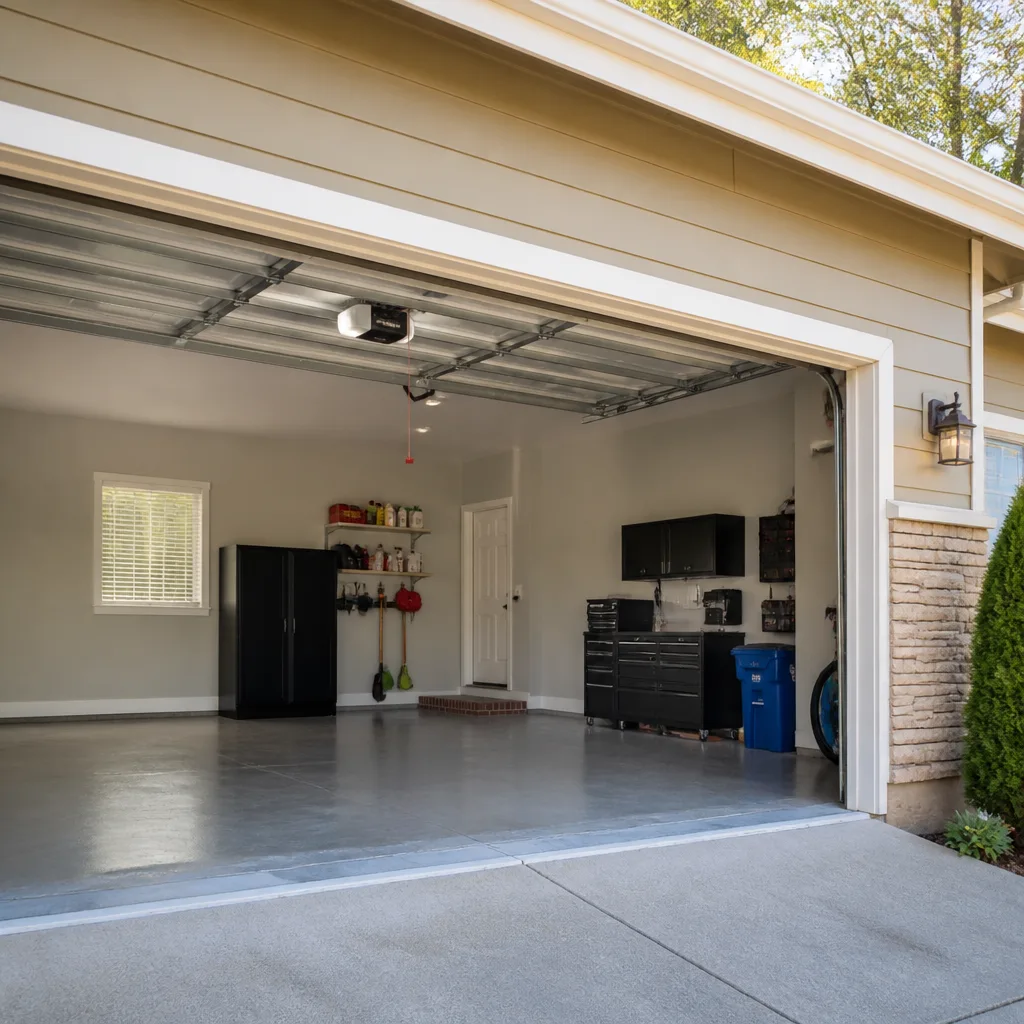 Chamberlain openers
Full 25-point door and opener safety check with every visit - springs, cables, rollers, tracks, and your LiftMaster or Chamberlain opener included
You get a price before we start. It does not change when the pro arrives.
Get your free estimateGarage Door Repair Troubleshooting in Levittown: Common Problems and How to Fix Them
If your garage door is making noise but not moving, that single symptom points to at least six different root causes, and fixing the wrong one first costs you twice. The mistake most Levittown homeowners make is diagnosing from the symptom they can see – the door won’t go up – instead of reading the clues that tell you what’s actually broken. Four parts handle almost every failure: the spring, the cable, the sensor, and the opener. Each fails differently, each sounds different, and each costs a different amount to fix. This guide teaches you to read those clues before you spend a dollar on the wrong repair. You’ll learn what you can safely check yourself, what to leave alone, and when to make the call.
Quick Answer
Garage door troubleshooting in Levittown comes down to separating a spring or cable failure from an opener or sensor problem. If the door won’t lift at all and the opener motor hums but doesn’t pull, a spring or cable is broken and you need a trained technician. If the door moves but reverses partway, won’t close fully, or the remote doesn’t respond, it’s usually a sensor alignment or opener issue you can often diagnose yourself. Anything involving the springs, cables, or torsion hardware is a professional job, full stop.
Styles & brands we work with
- Raised-panel steel
- Carriage house
- Modern flush
- Full-view glass
- LiftMaster openers
- Chamberlain openers
Table of Contents
- The Symptom-to-Cause Diagnostic Tree
- Spring Failure or Opener Failure? How to Tell
- Why Your Door Won’t Close All the Way in Levittown Winters
- What You Can Safely Test Yourself (and What You Can’t)
- Why a Door That Works “Most of the Time” Is More Dangerous
- Common DIY Fixes That Void Your Warranty
- What Garage Door Repairs Typically Cost in Levittown
- Brand Matters Less Than You Think
The Symptom-to-Cause Diagnostic Tree
Every garage door problem starts with a symptom. Your job in troubleshooting is to move from that symptom to the part that’s actually failing. Here’s how we walk through it, and how one of our technicians with up to 9 years of experience would approach it.
Start by watching and listening, not touching. The clues split into four stacks:
- The door is completely dead – no sound, no movement, nothing. Check the breaker, the wall outlet the opener plugs into, and the battery in the remote. If power is fine and the wall button doesn’t work either, the opener’s logic board or capacitor is the likely culprit.
- The motor runs (you hear it hum) but the door doesn’t move. This is the classic spring or cable failure. The opener is trying to lift a door it can’t lift because the counterbalance system is gone. Stop running it – the opener will burn itself out.
- The door moves but reverses, stops short, or won’t shut all the way. Safety sensors, track alignment, or a limit-setting problem on the opener. This one is often diagnosable by eye.
- The door is loud, jerky, or grinds. Worn rollers, dry hinges, a bent track, or a failing bearing plate. Not urgent, but not something to ignore through a Levittown winter either.
That fourth stack is why so many Levittown doors are louder in January than in June. Cold contracts metal, tracks shift slightly, and rollers that were quiet in September start to groan. If the noise started with the first cold snap, it’s a maintenance issue. If it started with a bang, it’s mechanical failure.
The single most useful thing you can tell a repair company is which of those four symptoms you’re seeing, because it points straight at the part. When you call for garage door repair, having that answer ready means the technician arrives with the right parts and the fix usually happens in one visit.
Spring Failure or Opener Failure? How to Tell
A broken spring is the most common garage door failure in Levittown and the one most often misdiagnosed as an opener problem. The good news is there’s a fast way to tell them apart without touching anything dangerous.
The audio test. Stand in the garage and press the wall button. If you hear the motor humming or droning but the door doesn’t budge, or the door lifts a few inches and drops back down heavily, the opener is fine and the spring is broken. If you hear nothing at all, or a click and nothing else, the opener or its power supply is the problem.
The visual check. Look at the torsion spring mounted on the shaft above the door, or the extension springs running along the sides if your door uses those. A broken torsion spring shows a clean gap in the coil. A broken extension spring shows two halves hanging apart. Look from a distance and don’t reach for anything. Also check the cables: a cable that’s come off its drum or frayed will leave the door hanging lopsided.
What each failure means for your door
- Broken spring: the door becomes dangerously heavy – usually 100 to 200 pounds of dead weight. Never try to open it manually. Call for garage door spring repair and leave the door shut.
- Broken cable: same danger plus a real risk of the door dropping or twisting off the track. Also a professional call.
- Opener failure: the door is still balanced and safe; the motor just can’t lift it. This is garage door opener repair territory and often fixable on a same-day visit.
A spring carries enough stored tension to cause serious injury if you try to work on it without training and the right winding bars. We won’t dress that up. If you suspect a spring, don’t test it, don’t prop the door, don’t try a “trick” you saw online. Shut the door, keep everyone out of the garage from the inside, and call.
One more thing: a spring seldom fails alone. When a torsion spring snaps, it can throw the cable out of its drum, and the extra stress often cracks a hinge or knocks the door off balance. That’s why we check the whole system on any spring call instead of just swapping the coil. It’s also why we treat the spring repair as a core service and not an add-on.
Why Your Door Won’t Close All the Way in Levittown Winters
If your garage door stops short or reverses in the last few inches of travel, and it happens more in cold weather, you’re looking at an alignment problem, not a broken part. Levittown winters are the variable here.
Here’s what happens. The wooden frame around the garage opening swells and shrinks with the seasons, and the metal tracks bolted to it move with it. A sensor that was lined up in October can be half an inch off by January. Cold also stiffens the grease in the rollers, and a door that travels slightly differently puts the safety beam just off target. The door sees an obstruction that isn’t there and bounces back up.
What to check first (this is safe to do yourself)
- Look at the two safety sensors at the bottom of the tracks. They should be facing each other, roughly level, with nothing blocking the invisible beam between them.
- Wipe the sensor lenses clean. A dusty lens produces the same result as a blocked beam.
- Check whether the amber and green indicator lights on the sensors are steady. A blinking light usually means a misalignment or a wiring issue.
- Look for anything hanging into the beam path – a bike, a garbage can, a bag of road salt. In a Levittown garage that’s often the whole problem.
- Check the tracks for frost, ice, or packed snow near the floor where the door meets the ground. Ice on the track can stop the door dead.
If the sensors are clean, lined up, and lighting up steady, and the door still reverses, the problem is usually a travel limit setting on the opener or a binding track. That’s when it’s worth having someone look, because adjusting limits blind can leave the door closing too hard against the floor – a safety problem, not just an annoyance.
One seasonal note specific to Levittown: after a heavy snow, the bottom weather seal can freeze to the concrete floor. The opener pulls, the door breaks free with a crack, and it looks like a mechanical failure. Before you assume a broken part, check whether the seal is iced to the floor. Thaw it gently and try again.
Quick tip: A door that won’t close in winter is usually a sensor or ice issue. A door that won’t open in winter is usually a spring. Different symptom, different fix, different call.
What You Can Safely Test Yourself (and What You Can’t)
There’s a genuine middle ground between “call a pro for everything” and “grab a ladder.” Knowing which side of that line you’re on saves you money and keeps you safe.
Safe for a homeowner
- Manual disconnect. Every opener has a red release cord or handle hanging from the trolley. Pulling it disconnects the door from the opener so you can move the door by hand. This is safe and useful – it tells you whether the door itself moves freely or whether the opener is fighting a stuck door.
- The balance test. With the door disconnected and lifted halfway, let go gently. A balanced door stays put. A door that slides down or falls is either out of balance or has a failing spring. Only do this when the door is light enough to lift safely, and only when you suspect nothing is broken. If it’s heavy or you heard a bang earlier, don’t do the test.
- Sensor check. The visual and indicator-light check above. Wiping lenses, clearing the beam, and confirming alignment is all safe.
- Remote and wall button. Swapping batteries and confirming whether the wall button works when the remote doesn’t tells you whether the problem is the remote or the opener. That’s a useful distinction.
- Visual inspection from the ground. Looking at the springs, cables, tracks, and rollers from a distance, with the door closed.
Not safe – call a professional
- Any work on torsion springs. The stored tension can cause severe injury in an instant. This is not a matter of care or being handy.
- Any work on cables. Cables carry the same tension and fail suddenly. Adjusting or replacing a cable is a trained-technician job.
- Loosening or removing track bolts. If the door is under tension, releasing a track can let the door fall.
- Adjusting the springs to “rebalance” a door. Even a slight wrong turn on a torsion spring can over-tension and snap it.
- Working under a door held open by an opener. Never trust the opener as a jack. It isn’t one.
The disconnection and balance test are the two most useful things you can do as a homeowner, because they tell you whether the problem is in the door or the opener. That one answer alone puts you ahead of most callers.
Why a Door That Works “Most of the Time” Is More Dangerous
An intermittent garage door – one that works fine three times and fails on the fourth – is more dangerous than one that’s completely dead. A dead door you can’t use, so you can’t get complacent. A flaky door gets used, trusted, and eventually catches someone halfway down.
Here’s what we mean. A door that fails cleanly won’t close, so you don’t drive off. A door that closes 95% of the time will close on the day you’re already late, or the day your child runs under it, or the day the sensor is blocked but the door decides to close anyway. The failure didn’t get worse – your trust in it did.
The usual causes of intermittent failures
- A failing safety sensor. The lens or alignment shifts slightly with temperature or vibration, so the beam catches intermittently. This is the most common one, and the most dangerous because a sensor that fails “open” lets the door close on an obstruction.
- A worn opener capacitor. The opener has just enough juice to lift the door sometimes. Cold mornings expose it.
- A loose wire or connector. The opener’s low-voltage sensor wires are thin and easy to knock loose. A connection that’s barely touching works until it doesn’t.
- A failing limit switch. The opener doesn’t know precisely where the door should stop, so it occasionally overshoots or reverses.
- A binding track or a worn roller. The door binds at a specific point and stops, then clears the next time.
If your door has done the “works most of the time” thing for more than a couple of days, treat it as a real problem. The safety sensor alone is worth the visit, since a sensor issue puts anyone standing under the door at risk. If the door is a Clopay, Amarr, or Wayne Dalton model with a few years on it, the sensors and opener wiring are often the first things to check.
Our technicians have up to 9 years of experience and we’ve seen just about every intermittent pattern a garage door produces. When you call, describe what the door does when it fails – the exact moment, the sound, whether it reverses or stops. That detail is often what shortens the visit.
Common DIY Fixes That Void Your Warranty
A lot of garage door “fixes” online cost more than they save, because they cancel the manufacturer warranty on the opener or the door. Before you reach for a tool, know which moves are risky.
Moves that can void your warranty
- Opening the opener housing to replace the gear or capacitor. Most opener makers specify that internal service is done by a qualified technician. Opening the case yourself can void the warranty on the whole unit, even if you fix the original problem.
- Adjusting the spring tension yourself. Spring work is not covered by a warranty claim when it’s been tampered with by a non-technician, and it’s dangerous regardless.
- Cutting or splicing the sensor or opener wiring. If the wiring is damaged and the unit later fails, the manufacturer can attribute the failure to the modification.
- Forcing or bending the track back straight. Track is meant to be replaced, not re-straightened. A bent track that’s been “persuaded” usually fails again, and the damage is on you.
- Replacing a whole opener with a different brand, then using the old accessories. Mixing brands can leave the new opener running on incompatible parts, and some warranties require brand-matched accessories.
What to do instead
Keep a record of the brand and model of your door and opener. When something fails, call a technician who works on that brand and let them handle it. We service LiftMaster, Chamberlain, Genie, Clopay, Amarr, Wayne Dalton, Craftsman, and Raynor systems, so the probability that your brand is on our list is high. A technician who works on the brand will usually keep the warranty intact because they follow the manufacturer’s procedure.
There’s a subtler trap too: a “fix” that seems to work but leaves a safety feature disabled. A sensor bypass, a disconnected auto-reverse, a door closing harder than it should – these get the door moving but turn a small problem into a serious safety hazard. Nothing on a garage door is worth doing unless it’s done properly.
What Garage Door Repairs Typically Cost in Levittown
Garage door repair costs in Levittown vary by which part failed. Below are typical ranges, and the written estimate we give you is what sets the final price, so you’ll know the number before any work starts.
| Repair | Typical cost range | Notes |
|---|---|---|
| One torsion spring | $180 – $340 | Price for one spring; a matched pair is usually replaced together, so a pair runs about twice that. |
| One extension spring | $150 – $300 | Similar caveat: pairs are often replaced together at roughly double. |
| Cable replacement | $150 – $300 | Often done alongside a spring repair when the spring failure damaged the cable. |
| Opener repair (capacitor, gear, logic board) | $120 – $280 | Depends on the part; opener replacement runs higher. |
| Safety sensor or alignment | $90 – $180 | Often a short visit once the cause is identified. |
| Roller or hinge replacement | $90 – $200 | Usually done in pairs or sets depending on the door. |
| Track repair | $120 – $300 | Depends on whether the track can be adjusted or needs replacing. |
Two things matter more than the number itself. First, the estimate is written and agreed before work starts. A garage door is heavy, dangerous, and easy to quote loosely – we don’t. Second, an emergency call for a door that won’t open can cost more than a scheduled repair. That’s not a penalty; it reflects what it takes to be available for a stuck door in Levittown. Either way, the price is set before any work begins.
If your door’s problem is intermittent and you’re not sure whether it’s worth a visit, call and describe it. We’ll tell you honestly whether it sounds like a same-day repair or something that can wait for a scheduled appointment. That honesty saves people money, and it’s how we’d want to be treated ourselves.
Brand Matters Less Than You Think
One thing that surprises a lot of Levittown homeowners: brand is rarely the deciding factor in a repair. The opener’s logic and the door’s counterbalance system follow the same basic design across Genie, Chamberlain, Wayne Dalton, and every other major make. What matters is whether the technician knows the specific quirks of that model.
The brand questions to ask before you book
- Do you service my exact opener and door brand? If the answer is “we work on most brands but not that one,” you need a different call.
- Are the springs matched to my door? A proper spring repair matches the spring to the door’s weight and cycle count, not just to whatever’s on the parts shelf.
- Do you work on smart-home openers as well as older units? Wi-Fi-connected openers from LiftMaster and Chamberlain fail in slightly different ways than older units. Asked this way, you’ll know whether the technician has seen the current models.
- Will you check the cables and hinges while you’re in there? A spring replacement that doesn’t include a cable check is a job half done.
We work on the eight most widely installed brands in residential homes – LiftMaster, Chamberlain, Genie, Clopay, Amarr, Wayne Dalton, Craftsman, and Raynor. That coverage is why we can promise one call, full fix: we’re not going to tell you your brand is out of scope and send you shopping for someone else. If your Levittown home has a Clopay door and a LiftMaster opener, or an Amarr door and a Genie opener, that’s a system we can troubleshoot from symptom to repair.
Common Mistakes to Avoid
- Running the opener after a spring breaks. The motor hums but can’t lift the door, and the attempt can burn out the opener. Unplug it and keep it off until the spring is replaced.
- Bypassing the safety sensor to “make it close.” A sensor that’s been disabled turns a minor alignment issue into a serious safety hazard for anyone under the door. Fix the sensor instead of defeating it.
- Trying to rewind a torsion spring. This is the single most common serious-injury scenario on a garage door. The spring carries enough stored tension to break a wrist in a second. No online video changes this.
- Assuming a noisy door means a worn-out door. Most noise comes from dry hinges, worn rollers, or a track that’s out of adjustment – all fixable. Replacing a door because of noise is a waste of money.
- Ignoring the “works most of the time” pattern. A door that fails intermittently is more dangerous than one that fails every time, because you keep trusting it with people underneath. Have it checked.
- Choosing a fix based on the price instead of the diagnosis. A $100 sensor alignment that doesn’t fix the door isn’t a good deal. Read the symptoms, get the diagnosis, then approve the repair.
- Buying a new opener because the remote stopped working. The remote’s battery, the wall button wiring, or a mispaired remote can all mimic an opener failure. Start with the cheap checks first.
See the difference
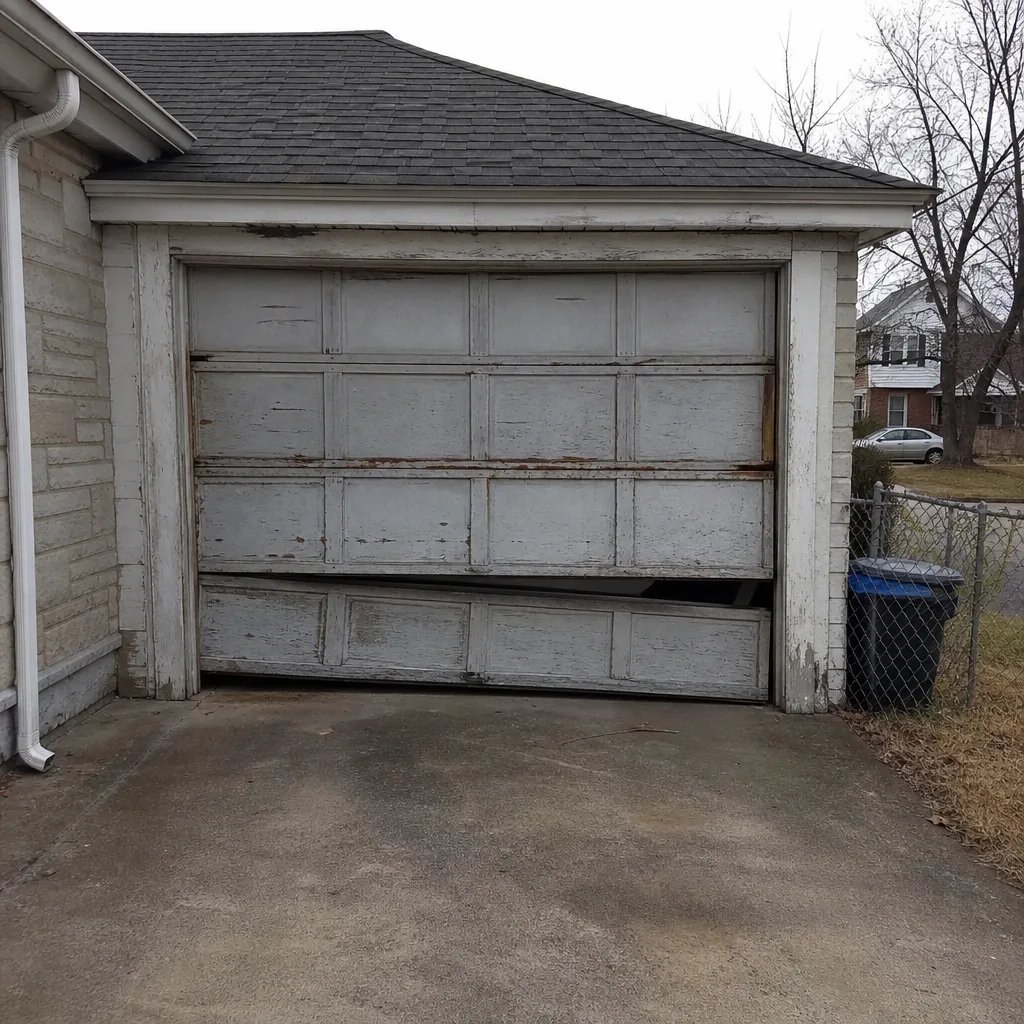 Before
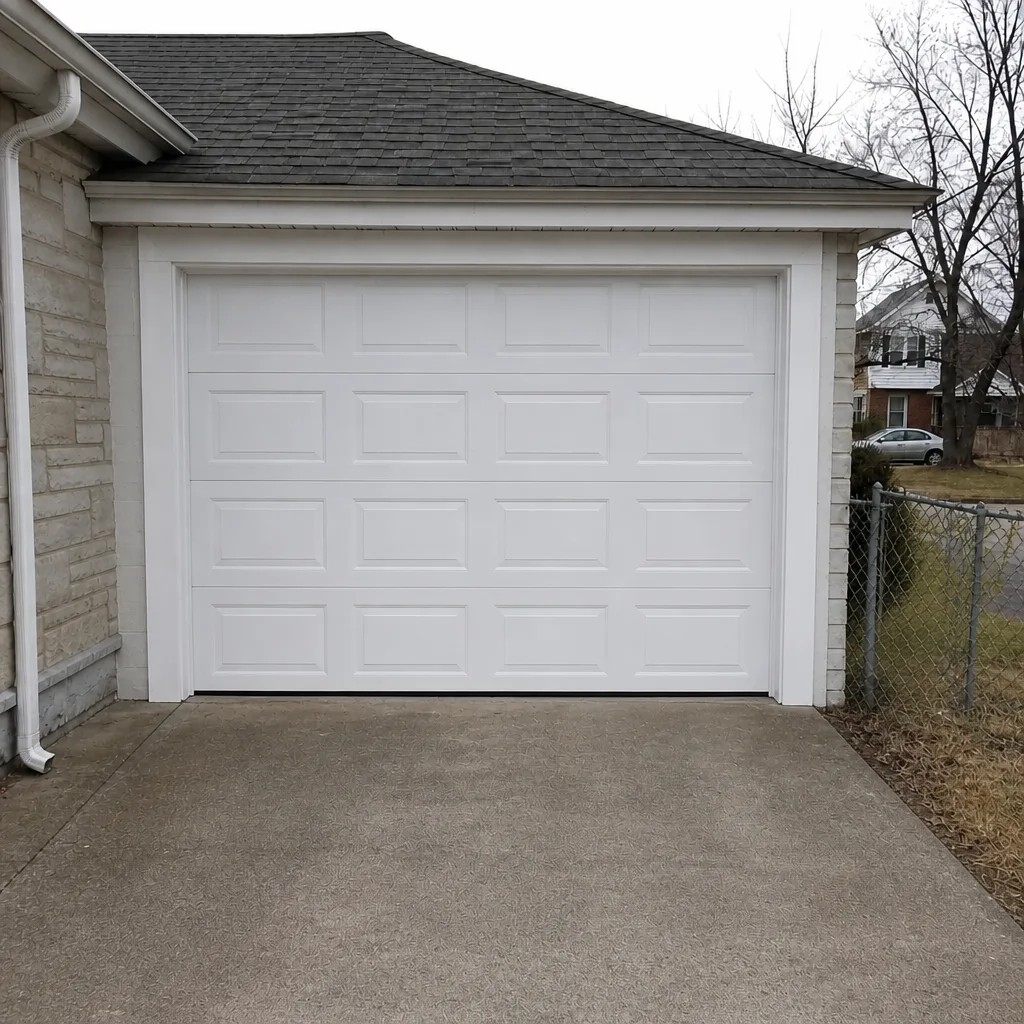 After
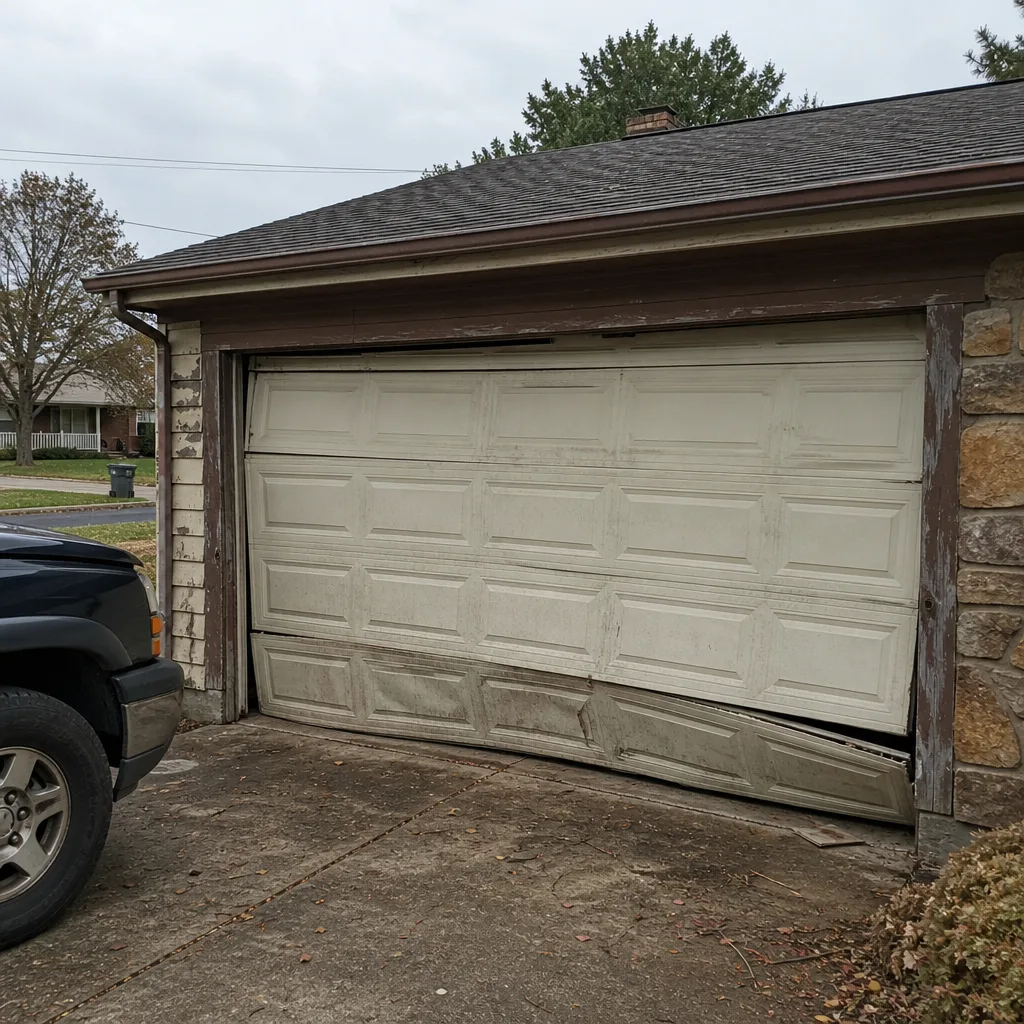 Before
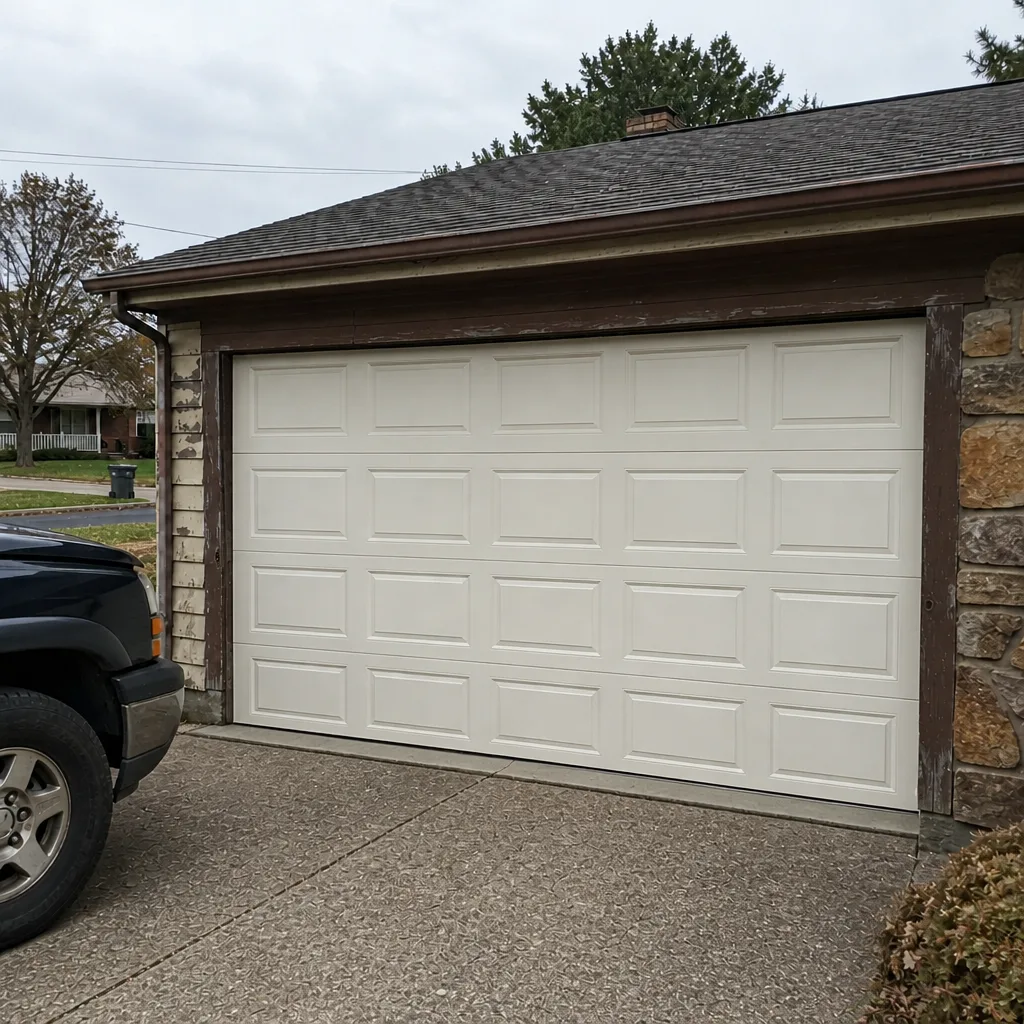 After
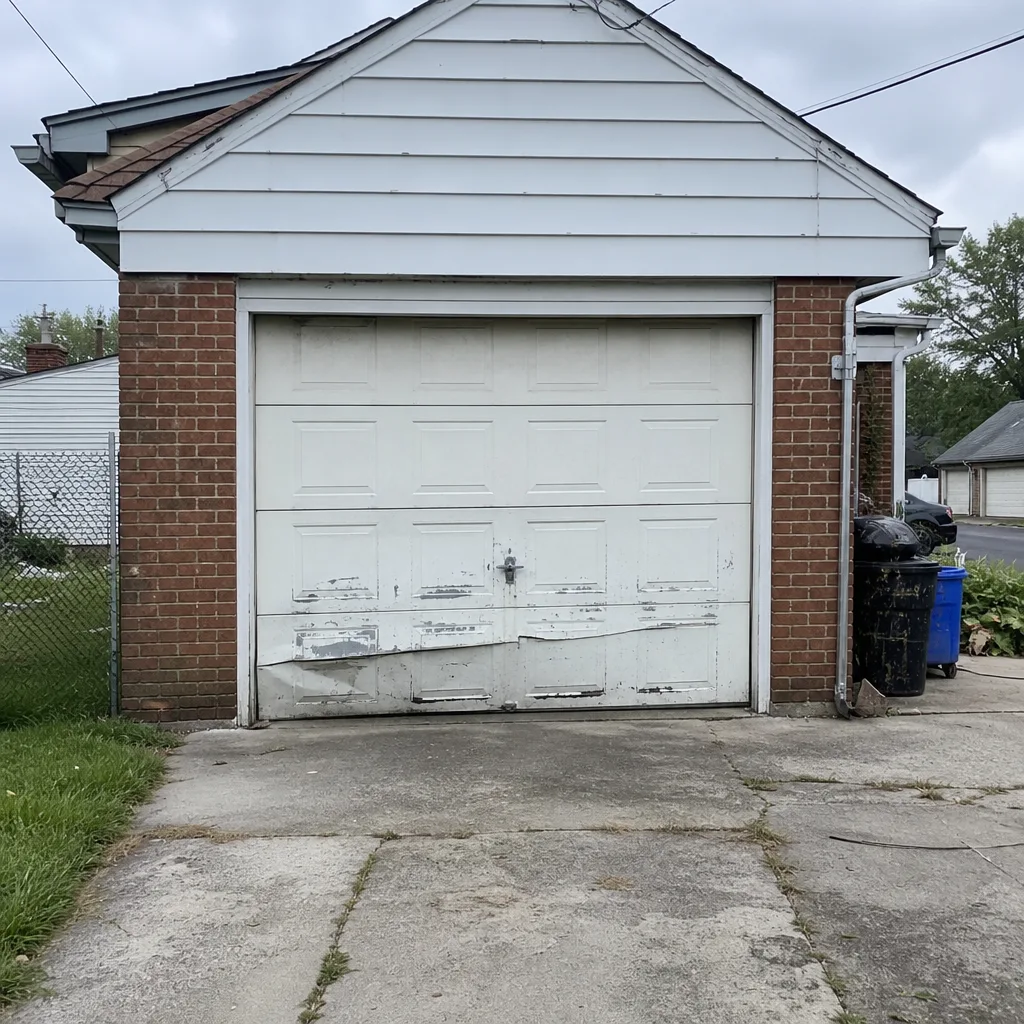 Before
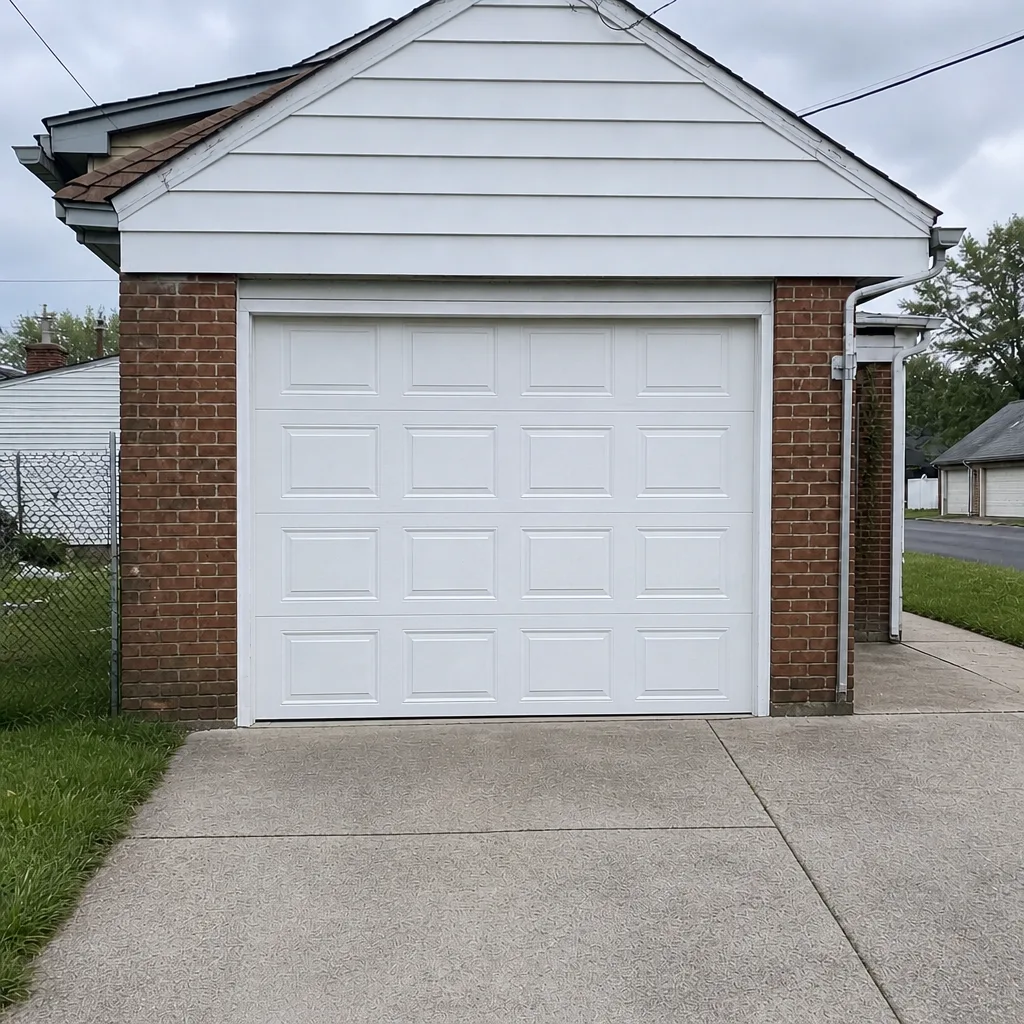 After
When to Call a Professional
Some things are worth a phone call immediately. If you heard a bang and the door won’t lift, that’s a spring and you should stop using the door. If the door hangs lopsided or a cable looks frayed, don’t move it – a failed cable can let a heavy door drop. If the door reverses or closes on an obstruction, treat the sensor wiring as a safety issue and get it resolved. And if the door is heavy in the manual disconnect, the counterbalance needs a trained eye. If you’re unsure, the safest move is to leave the door closed and call. A trained technician can assess what’s actually failing rather than guessing, and in our experience the visit usually costs less than the wrong repair. Levittown Garage Door Repair Pros offers free estimates in Levittown – call (888) 618-9767. The price is set before any work starts, and the door is either working when the technician leaves or the technician stays.
Frequently Asked Questions
If you hear the opener motor hum but the door doesn’t lift, or it lifts a few inches and drops back, the spring is broken and the opener is fine. If the opener makes no sound at all and the wall button doesn’t get a response, the opener or its power supply is the problem. Look at the spring-mounted shaft above the door for a visible gap in the coil, but don’t touch it. A hum with no lift is a spring call. Silence is an opener call.
No. A garage door spring is under extreme tension and can cause serious injury the moment it’s mishandled, so spring repair is a job for a trained technician. The right call is to shut the door, unplug the opener, and book a spring repair. We perform spring repair as a named service because it’s one of the most safety-critical jobs in the trade. Call (888) 618-9767 for an estimate before any work begins.
Most winter failures in Levittown come down to a safety sensor that’s been knocked out of alignment by the frame swelling and shrinking with the cold, or ice and packed snow on the track or under the bottom seal. Clear the beam path, wipe the sensor lenses, and check the indicator lights. If the sensors are clean and aligned and the door still reverses, the opener’s travel limits likely need adjusting, which is worth having a technician check.
Treat it as urgent, because an intermittent failure is more dangerous than a dead door. A dead door can’t be used, but a flaky door gets trusted right up until it closes on someone. The usual causes are a failing safety sensor, a worn capacitor, a loose wire, or a failing limit switch. Have it checked rather than waiting for the pattern to become a constant failure. Call (888) 618-9767 and describe exactly when the door fails.
No. We quote the job, you agree to the number, and that’s the price for the work quoted before anything starts. If the technician finds a second problem once the door is open, you’ll hear about it and get a revised price before any additional work is approved. The failure drill is no different with us – you’re never handed a surprise invoice. Estimates are free; call to book one.
We service the eight most widely installed brands in residential homes: LiftMaster, Chamberlain, Genie, Clopay, Amarr, Wayne Dalton, Craftsman, and Raynor. That covers the vast majority of doors and openers in Levittown homes. Opener repair covers smart-home and Wi-Fi connected units as well as older ones. If your brand is on the list, we can help. Call (888) 618-9767 to confirm your model and book a visit.
The Bottom Line
The trick to garage door troubleshooting is reading the clues instead of trusting the one big symptom. A hum with no lift is a spring. A door that moves and reverses is a sensor or a limit setting. A door that fails sometimes is a safety issue, not a small annoyance. Brand rarely decides the fix, and the price is always set in the written estimate before work starts. If you’re in Levittown and the door is still misbehaving after the checks in this guide, the fastest route is a call – our technicians have up to 9 years of experience and work on the brands Levittown homes actually have.
If you’d rather not tinker at all, or you’ve read the symptoms and still aren’t sure which of the four parts is failing, that’s the moment to pick up the phone. Levittown Garage Door Repair Pros offers same-day repair for urgent doors, emergency service for the ones that can’t wait, free estimates, and upfront pricing quoted and agreed before any work starts. We’ll tell you what’s broken, what it takes to fix it, and whether it’s worth fixing at all. Call (888) 618-9767 for a free estimate today.
Written by the team at Levittown Garage Door Repair Pros.