Last updated November 23, 2026
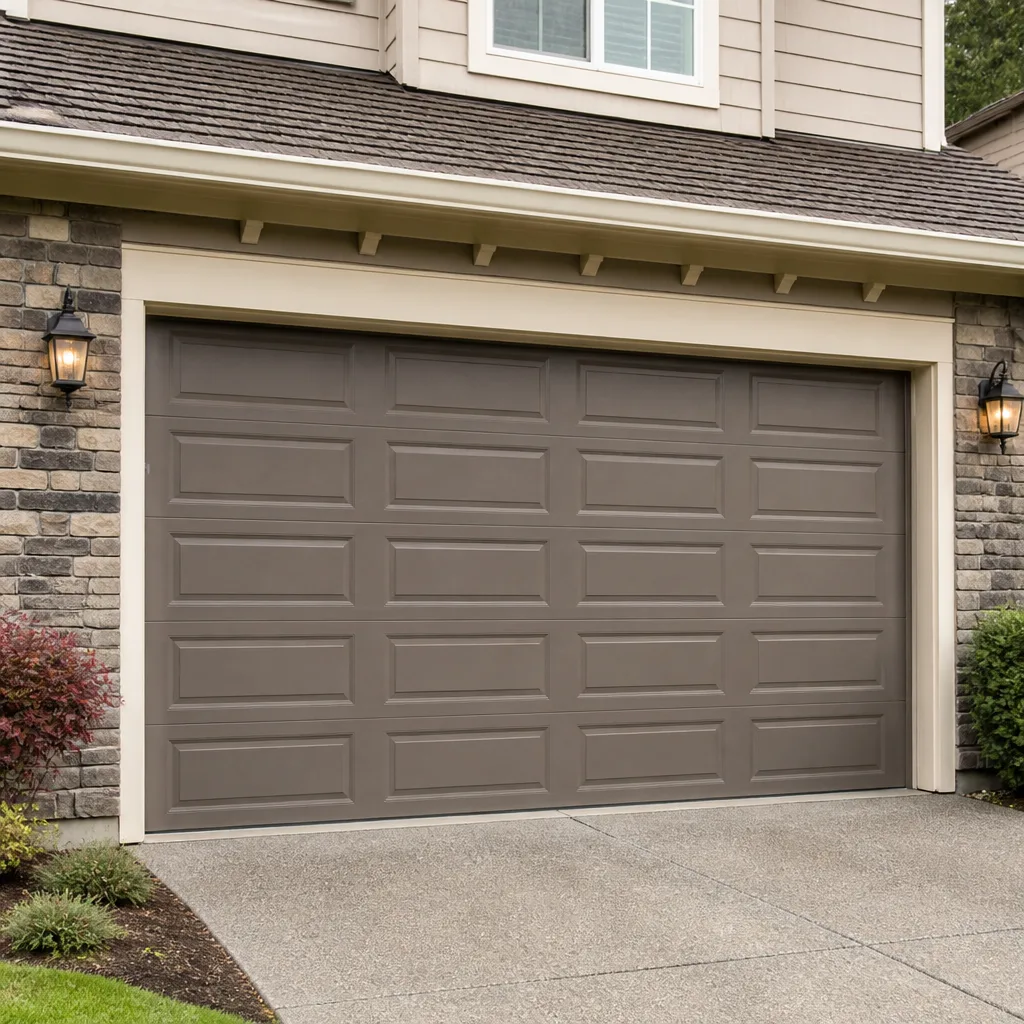 Raised-panel steel
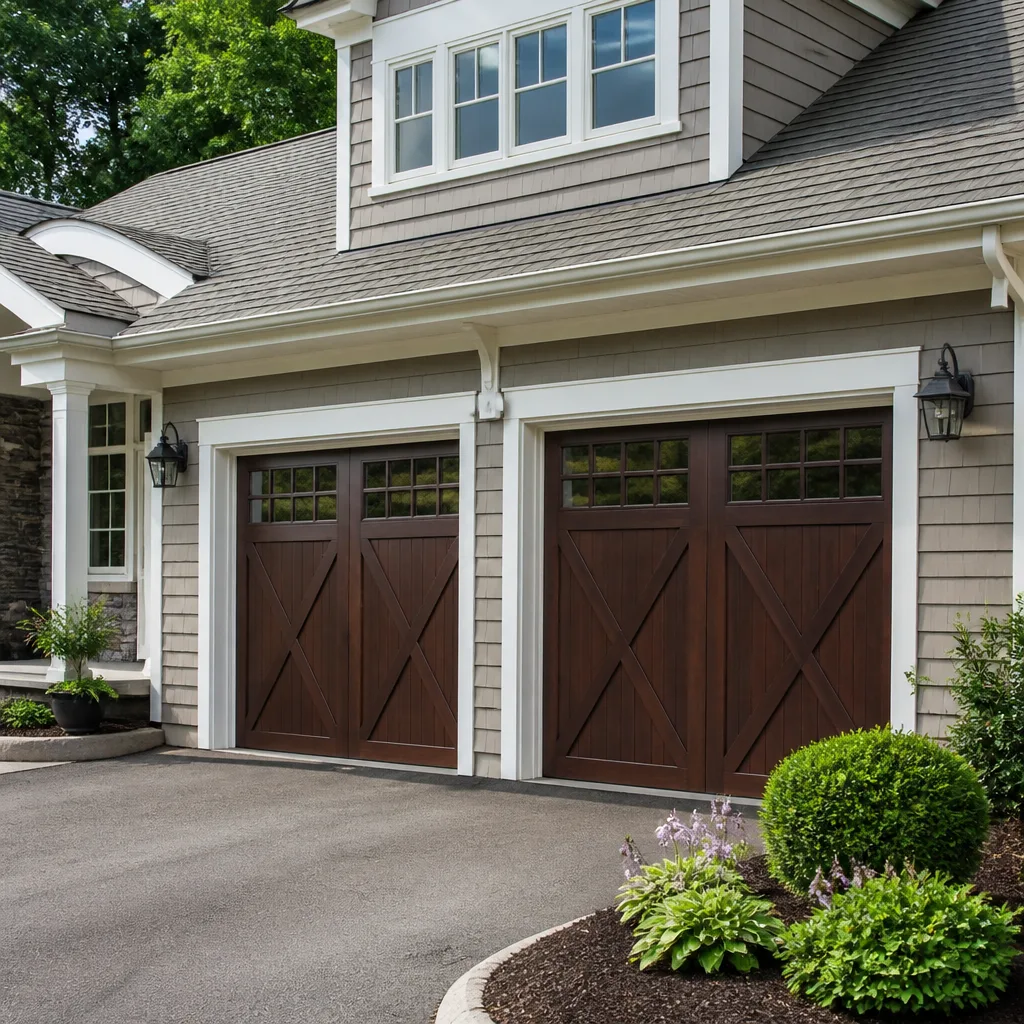 Carriage house
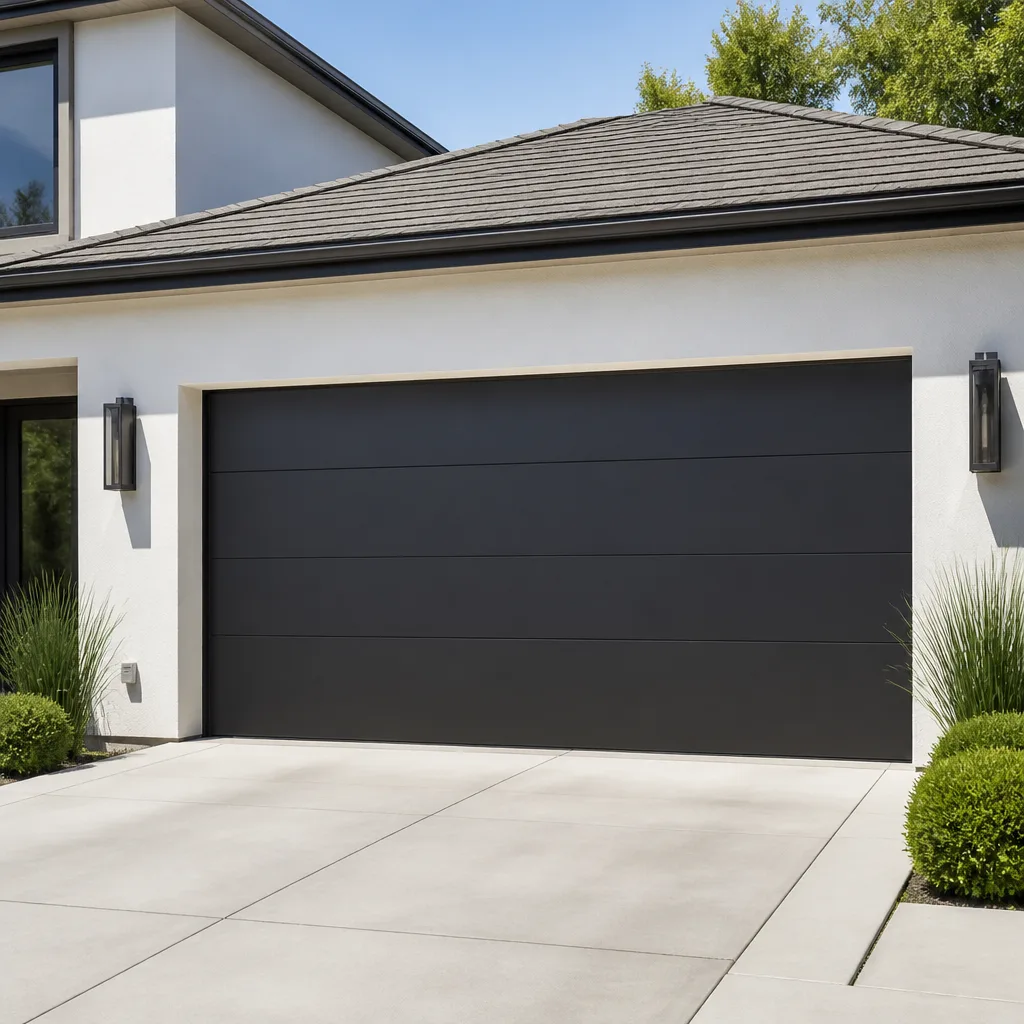 Modern flush
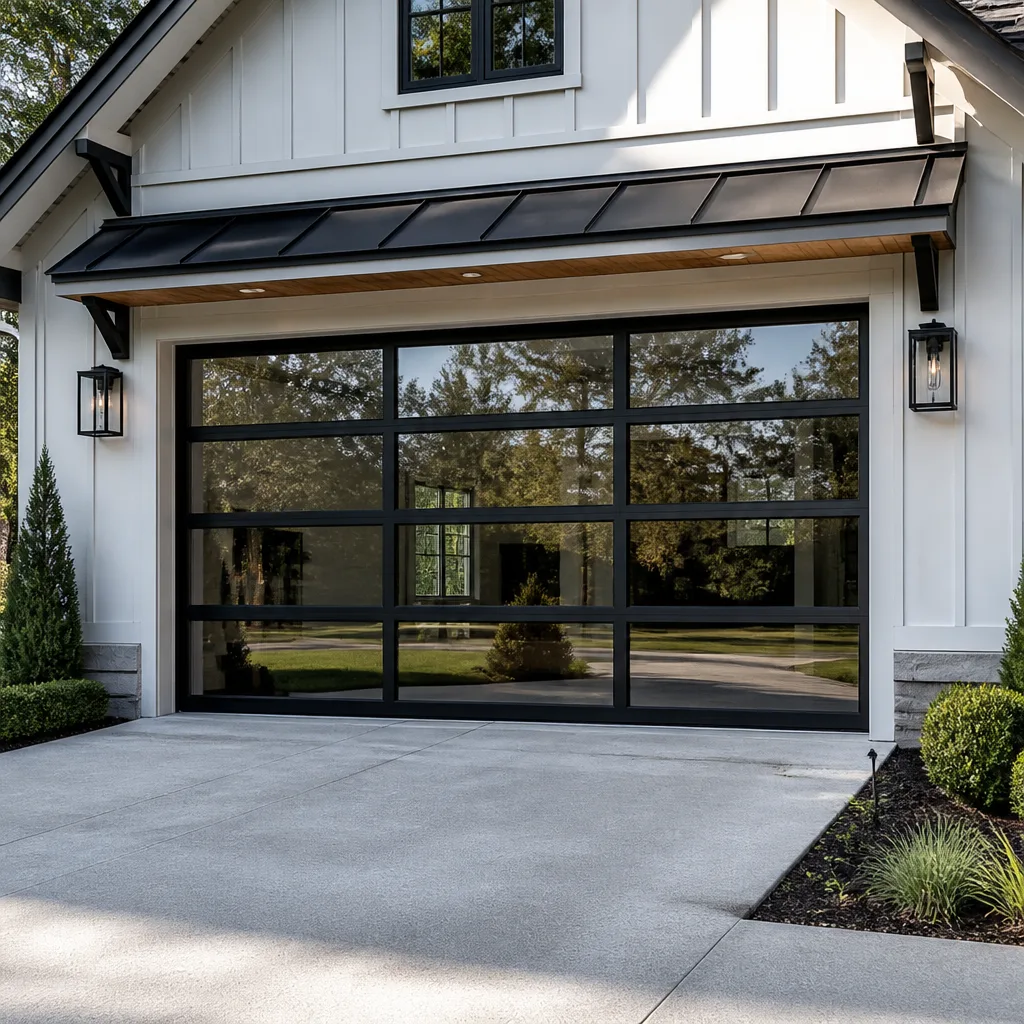 Full-view glass
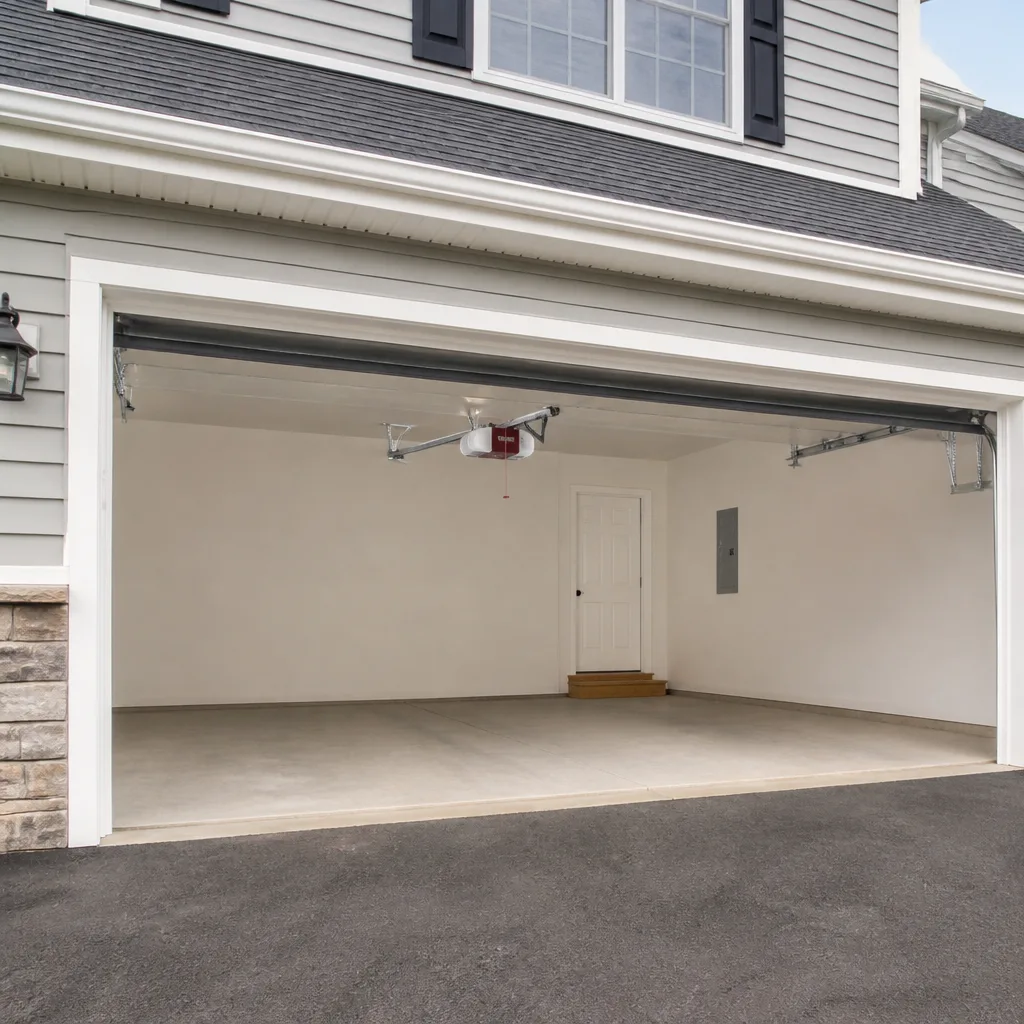 LiftMaster openers
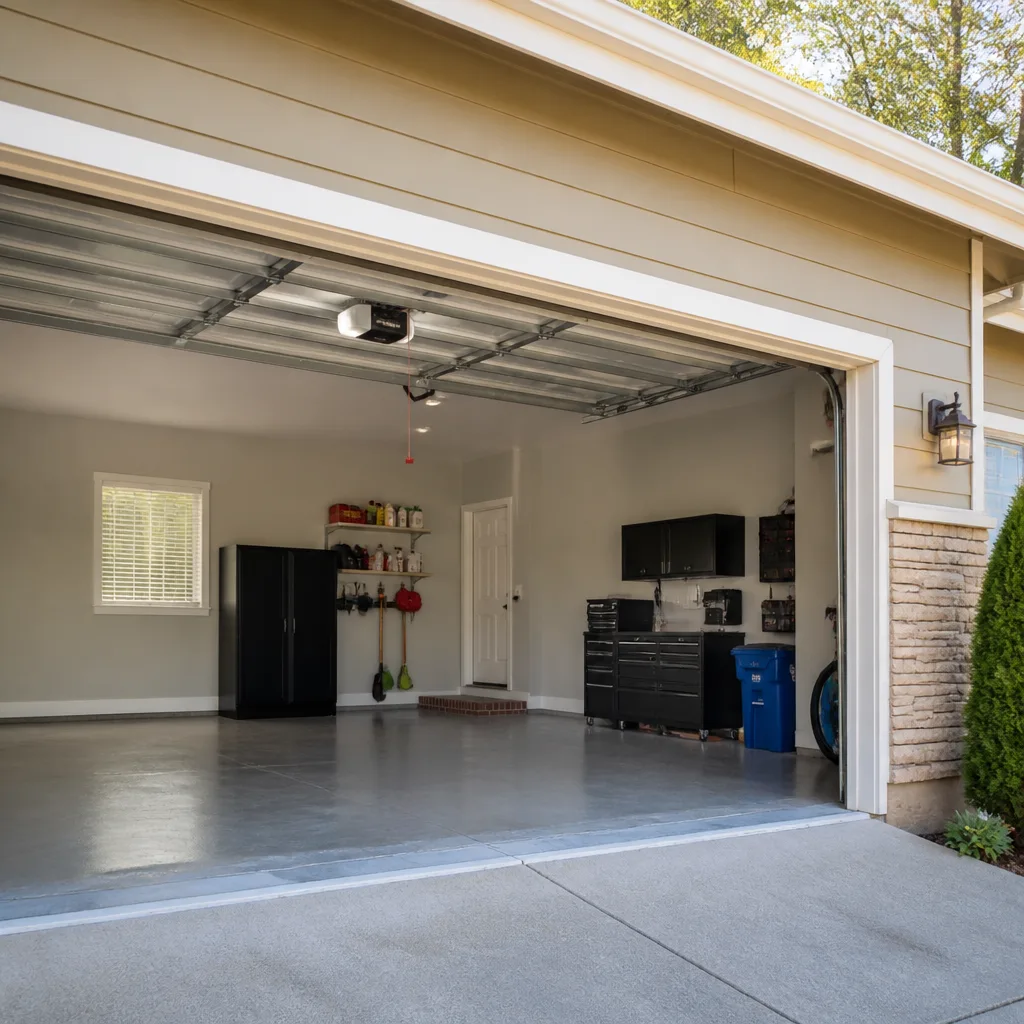 Chamberlain openers
Full 25-point door and opener safety check with every visit - springs, cables, rollers, tracks, and your LiftMaster or Chamberlain opener included
You get a price before we start. It does not change when the pro arrives.
Get your free estimateSeasonal Garage Door Care for Levittown: Year-Round Homeowner’s Guide
Most homeowners think about their garage door twice: when it breaks, and when it’s already too late. That’s the wrong order. Garage door springs fail at a higher rate in the first two weeks of November in the Delaware Valley, and it usually isn’t age that does it. It’s the metal contracting faster than anyone expects when temperatures drop 30 degrees in a single week. Doors that ran quiet all October suddenly bang, drag, or won’t lift at all.
Levittown’s climate has a rhythm, and doors fail on it like clockwork. This guide gives you a month-by-month care calendar built around Bucks County weather, not the generic “check it in spring and fall” advice you see everywhere. You’ll learn why summer humidity quietly ruins bottom seals, how to prep before the first hard freeze, and what to check after a storm. Do the right tasks at the right time and you’ll get years more out of the door you have.
Quick Answer
Garage door care in Levittown follows a seasonal pattern, not a checklist: lubricate and inspect moving parts in spring, watch bottom seals and weatherstripping through the humid summer, prepare springs and thresholds before the first hard freeze in late fall, and check hardware after winter storms. Most of this you can do yourself in under an hour per season. Spring, cable, and opener work under tension or mains power should be handled by a trained technician.
If your door is already making noise, dragging, or refusing to close all the way, book a free estimate before the next weather swing does more damage. Call (888) 618-9767.
Styles & brands we work with
- Raised-panel steel
- Carriage house
- Modern flush
- Full-view glass
- LiftMaster openers
- Chamberlain openers
Table of Contents
- The Levittown Seasonal Garage Door Calendar
- Spring: Undoing Winter’s Damage
- Summer: Why Humidity Is the Silent Killer of Seals
- Fall: Preparing for the First Hard Freeze
- Winter: Ice, Tracks, and What Not to Force
- What to Check After a Severe Storm
- Older Levittown Doors: Hinges, Tracks, and Wind Load
- Common Mistakes to Avoid
The Levittown Seasonal Garage Door Calendar
Here’s the core idea of this guide: garage door maintenance in Levittown isn’t about doing more, it’s about doing the right thing at the right moment. The same task can be pointless in July and essential in November. Springs, seals, and tracks each respond to temperature and humidity differently, so the calendar matters as much as the checklist.
Use this as your baseline. It’s built for the Bucks County pattern of humid summers and sharp early-winter cold snaps, the kind that arrive fast and catch un-prepared doors off guard.
- March to April: Clear winter grit from tracks, lubricate rollers, hinges, and springs, inspect for rust after the thaw. This is the catch-up season.
- May: Clean and inspect the bottom seal before humidity climbs. Check opener reversing function.
- June to August: Watch for sticking seals, warping wood panels on older doors, and swelling at the bottom gaps. Balance check and weatherstripping review.
- September to October: The most important prep window. Tension check, full lubrication before cold arrives, threshold seal inspection, tighten all hardware.
- Late October to early November: The freeze-ready check. Note any new banging or slow lift and call before it fails cold.
- December to February: Keep ice away from the door seam, never force a frozen door, clear snow from the base, watch tracks for ice buildup.
- March, again: Post-winter inspection. This is when storm and freeze damage shows up as warped panels, loose hinges, or a door that no longer seats flush.
What most people miss is that the failure window is narrow. If you lubricate and check tension in September and October, you’ve handled the thing that breaks most doors in Levittown before winter ever reaches it. Fall is the season that earns its keep here.
We get called for garage door repair far more in early November and early March than any other time. The calendar isn’t a marketing angle. It’s what the call log looks like.
Spring: Undoing Winter’s Damage
March and April are catch-up months. Winter leaves behind grit in the tracks, dried-out lubricant, loose fasteners, and often the beginnings of rust where road salt tracked in from the driveway sat against metal. None of it looks urgent yet. All of it compounds by summer.
The first thing we do on a spring callout is look at the same three areas in this order. You can handle the first two yourself; the third needs eyes on it.
- Clear the tracks. Sweep or vacuum out debris, then wipe the inside channel with a damp cloth. Don’t lubricate the track itself; clean it, then apply lubricant to the rollers, not the rail.
- Lubricate the moving metal. Rollers, hinges, and bearing plates take a garage door lubricant, not general-purpose oil. Avoid greasing the springs themselves if they’re on a torsion tube above the door unless you know how the system is assembled, because the tension is live even when the door is closed.
- Check balance and tension. Disconnect the opener and lift the door halfway by hand. It should hold roughly where you let go. If it drops, sags, or feels heavy, the springs are losing capacity. That’s a professional call.
Spring is also when an opener problem that crept in over winter surfaces. Cold makes opener motors strain, and old units that limped through January often quit in April. If your garage door opener repair need is on a LiftMaster, Chamberlain, Genie, or Craftsman unit, we work on those systems directly, and that includes the smart-home units and the older belt-and-chain drives alike.
One thing to note: spring replacement is never a DIY job. Torsion springs hold enough stored energy to seriously injure someone, and the danger doesn’t read on the outside of the door. If the balance test fails, stop testing it. Call (888) 618-9767 for a free estimate and let a trained technician handle the tension side of the system.
Spring is also the right time to think about the year ahead. A door that fails the balance test in April is a door to plan around, not to ignore until November. Budgeting the repair now saves the cold-weather scramble later.
Summer: Why Humidity Is the Silent Killer of Seals
Levittown summers are humid, and humidity is the least obvious seasonal threat to a garage door. It doesn’t break anything outright. What it does is subtle: it feeds water into the seal material and the wood frame until things swell, sag, and stop sealing. This is why so many bottom seals fail incoming fall, not mid-summer when the damage is being done.
Here’s what’s happening on a door in July and August:
- Rubber and vinyl bottom seals absorb moisture and soften, then dry out repeatedly. The cycle hardens them and they stop hugging the floor.
- Wood frames on older doors swell in the humidity, which can push weatherstripping out of alignment and leave gaps at the sides.
- Wood panels can warp, especially on 1950s-era doors in the Levittown development. Warped panels put uneven load on rollers and hinges.
- Metal tracks expand in heat, and doors that fit tight in winter may drag by August.
Choose the seal material for the climate, not the price tag. Cheap foam seals flatten fast in humidity. A quality EPDM rubber or vinyl replacement seal handles wet-then-dry cycling far better and lasts longer in a Bucks County climate. If your seal is more than a few years old and no longer touching the floor, replacing it before fall is one of the highest-value seasonal tasks you can do.
A good test: close the door, then look at the bottom gap from outside. If you see daylight or can slide a piece of paper under the seal easily, it’s not sealing. That gap is exactly the kind of thing that lets cold air in during winter and pulls your heating bill up. Fix the seal in summer and you avoid the entire category of winter problems that come from a door that doesn’t sit flush.
This is also the season to test the opener’s reversing function. Put a small box or a rolled towel in the door’s path and let it close. It should reverse on contact. If it doesn’t, that’s a safety issue, not a convenience one. Smart-home compatible openers from Genie and Chamberlain usually have a repeatable test cycle in their manual. If yours doesn’t behave, it needs attention before winter.
Fall: Preparing for the First Hard Freeze
This is the section that matters most. If you only do one round of maintenance a year in Levittown, do it in late September and October. The first hard freeze in the Delaware Valley is often abrupt, and doors that were fine at 60 degrees routinely fail at 30. Metal contracts, lubricant thickens, springs lose a step of tension, and the door behaves like a different animal.
Work through this in order, a couple of weeks before you expect your first overnight freeze:
- Lubricate every moving point again. Hinges, rollers, bearing plates, and the lock bar if the door has one. Fresh lubricant before cold keeps parts from freezing in place.
- Tighten all visible hardware. Bolts and hinges vibrate loose over summer. Snug them, don’t over-torque.
- Check spring tension. Same balance test as spring. If the door is heavy or slow to lift, get it looked at before the cold. A spring at the end of its life fails reliably within a week or two of a sharp freeze.
- Inspect the threshold seal. The strip along the floor takes the worst of the weather. Check for cracking, detachment, or any place where ice could form under the door.
- Adjust the close limit on the opener. As seals compress with cold, the door may not close quite as firmly. The opener’s limit setting may need a small adjustment so the door seats the seal properly without straining.
One point we keep making to homeowners: don’t wait for the first cold snap to book garage door spring repair. Every fall the calendar fills in the same two weeks, and the door that fails on a Tuesday night in November when the temperature drops 30 degrees is a door that could have been scheduled in October. Repairs done on your schedule are always cheaper than repairs done in an emergency, and the spring repair price is the same whether you plan it or not. It’s the stress and the wait that change.
On older doors with torsion tubes, this is also the point where a visual inspection for rust and wear pays off. Springs that are etched or grayish rather than clean metal are closer to failure than they look. Leave the actual testing to a technician, but do look.
Winter: Ice, Tracks, and What Not to Force
Winter is not the season to maintain your door. It’s the season to avoid breaking it. The single most common winter damage we see in Levittown comes from a homeowner forcing a door that’s frozen to the floor or stuck in ice. That one action can strip a spring, shear a hinge, or bend a track in seconds, and it’s entirely preventable.
Here’s the ice pattern to understand. When a door doesn’t seal flush at the bottom, water beads along the threshold and freezes overnight. In the morning, the door is bonded to the floor by a thin layer of ice. The opener then tries to lift a door that’s fixed in place, and the strain goes straight into the springs, hinges, and drive mechanism. The fix isn’t a stronger opener. It’s a better seal and the habit of checking for ice before you cycle the door on a hard-freeze morning.
What to do through winter:
- Clear snow and ice from the door base after every storm, before you cycle it.
- Never force a frozen door. If the door won’t lift, stop. A little warm water along the bottom seam can free a light bond, but don’t pour hot water on a frozen spring or track.
- Watch the tracks for ice buildup where snow blows in. Ice in the track makes the door jump and bind. Clear it.
- Keep the threshold seal clear of packed snow so it stays in contact with the floor. Packed snow turns to ice and holds the seal off the ground.
- Don’t knock ice off with a shovel blade. You’ll gouge the panel and, on older doors, crack the bottom section.
If a door stops in a bad position and won’t close, that’s the situation Levittown Garage Door Repair Pros handles as emergency service, not an upsell. A door stuck open overnight leaves the garage and any attached home exposed. That’s worth a call, not a wait until a weekday appointment.
And if you’re dealing with a frozen opener, don’t stand there cycling the remote waiting for it to catch. Repeated failed attempts put load on the system. Just call.
What to Check After a Severe Storm
A storm is a good excuse to walk the door system top to bottom. You’re looking for damage that isn’t always obvious from the driveway: hinges that loosened from wind pressure, panels that flexed, a track that shifted a quarter inch so the door now drags on one side. These show up in the weeks after a storm as noise or as a door that doesn’t seat evenly.
After a storm, check these in this order:
- Look at the panels. Any dent, crease, or flex that stays after the wind eases is worth noting. Wind-driven debris is the usual culprit, and small dents spread stress through the whole door over time.
- Test the door by hand, with the opener disconnected. Lift it slowly. It should move smoothly in both directions without binding. Any jerk or rough spot means a hinge, roller, or track issue.
- Inspect the hinges and rollers. Loose hinges on older sectional doors are the most common storm-related finding. You can tighten the visible bolts yourself. If a hinge is bent or cracked, replace it before the door runs again.
- Check track alignment. Stand to one side and look down the track. Both sides should be parallel. A shifted track needs a professional to re-seat.
- Look at the spring and cable condition. If a cable has jumped off its drum or the spring looks distorted, stop using the door. Call us. This is not the area to experiment with.
Older doors deserve special attention here. The 1950s-era sectionals common in Levittown are heavier than most newer doors, with hardware that has taken decades of wind loading. A single storm can be enough to shift a hinge point, and once one hinge loosens, the load on the others climbs fast. If the door wobbles when it moves, or the panels look uneven across the top, that’s the sign to call rather than wait for it to fail.
Fixing a bent hinge or a shifted track in the days after a storm is a quick, inexpensive repair. Waiting until the door stops working turns it into a bigger job. One call now saves the emergency call later.
Older Levittown Doors: Hinges, Tracks, and Wind Load
Levittown’s housing stock is a big part of why the seasonal calendar here is different from other towns. A lot of homes in this area have garage doors that date to the mid-century, built heavier and with different hardware standards than contemporary doors. Those doors are perfectly serviceable, but they respond to weather in specific ways that homeowners should understand.
What we look for on the older doors in Levittown:
- Hinge wear is the most common weak point. Years of wind load and hundreds of cycles loosen the hinge fasteners. Check them seasonally and snug them. A single loose hinge transfers load onto the rollers and the track.
- Tracks bend more easily on heavier doors. A heavier door on a lightweight track bends the rail when it takes a hit. That’s why storm checks matter more on the old doors than the new ones.
- Wood construction swells and warps in humid summers. Warped panels put load on the whole assembly. If a panel is warped, it doesn’t just look off, it affects how the door runs.
- Old opener units strain in cold. Many older openers on these doors weren’t sized for a door that was heavy when new. In cold weather they struggle. If your opener is original to an older door and starting to struggle, it may be time for garage door opener repair or a modern unit sized to the door.
If you’re considering a full replacement for an older derelict door, that’s a different conversation than repair and one we’re happy to have honestly. Our philosophy is repair first, replace only when it makes sense. Starting with a free estimate on the door you have gives you a real comparison point. Sometimes the answer is a new Clopay or Amarr door. Sometimes it’s tightening five hinges and a track adjustment. We’d rather tell you the truth than sell you a door you don’t need.
This is also where knowing the doors and brands matters. A door from the middle of the last century may have hardware that isn’t on the shelf at a big box store, and a technician who knows what to look for will identify it quickly. If the door needs new parts, brands like Clopay, Amarr, and Wayne Dalton cover most of what we see on Levittown homes, and we work on those systems directly. Our technicians have up to 9 years of experience and have seen doors in every condition the seasons here can produce.
For a full replacement, the process is different from repair. It’s measured, ordered, and scheduled, so if you’re thinking about it for spring, get the estimate now. Call (888) 618-9767 for a free measure and a written price. There’s no rush and no pressure; the quote tells you what a new door would cost so you can compare it to repair.
Common Mistakes to Avoid
- Lubricating the track instead of the moving parts. Adding oil to the track channel attracts grit and makes everything worse. The track stays clean; the rollers, hinges, and bearings get the lubricant.
- Forcing a frozen or binding door. This is the single most expensive habit we see in Levittown. One forced cycle on a winter morning can damage a spring or a hinge that was fine the day before. Stop and address the cause instead.
- Skipping the fall lubrication window. Waiting for the first hard freeze to lubricate is too late. Cold locks dry metal up. Get the penetrating lubricant on in September and October while the door is warm.
- Ignoring a bottom seal that’s lost contact with the floor. A small gap gives you a summer of humidity damage and a winter of ice under the door. Check the seal in the summer. Replace it if it’s flattened.
- Tightening every bolt to the maximum. Over-tightening hinge bolts strips the holes and creates more play than it fixes. Snug is the goal, not cranked tight.
- Treating spring noise as normal. Springs pop and bang on cold-morning starts when they’re on their way out. That sound isn’t a personality quirk. Get it looked at before it becomes a stuck door.
- Standing under the door while testing it. Never work under a garage door you’ve disconnected from the opener. The weight is real and unforgiving, and older doors can drop when the hardware gives.
See the difference
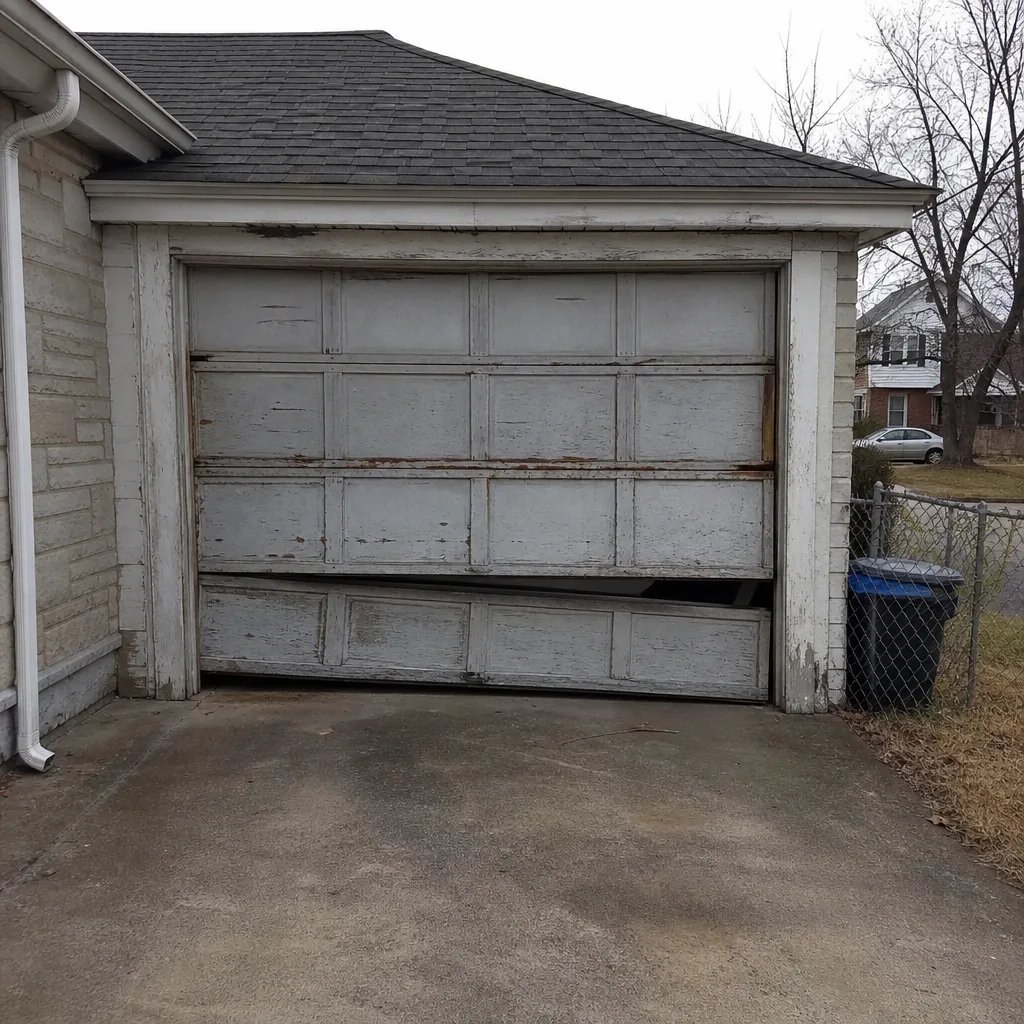 Before
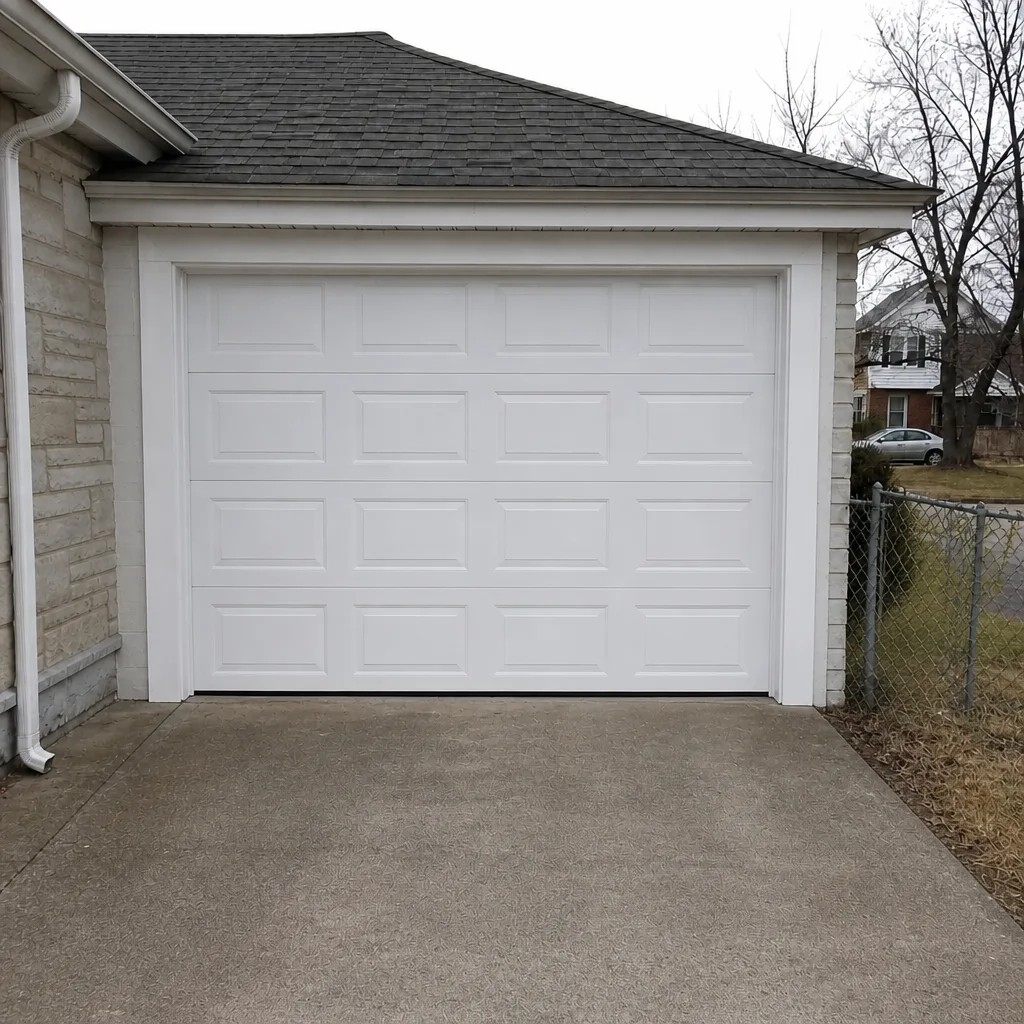 After
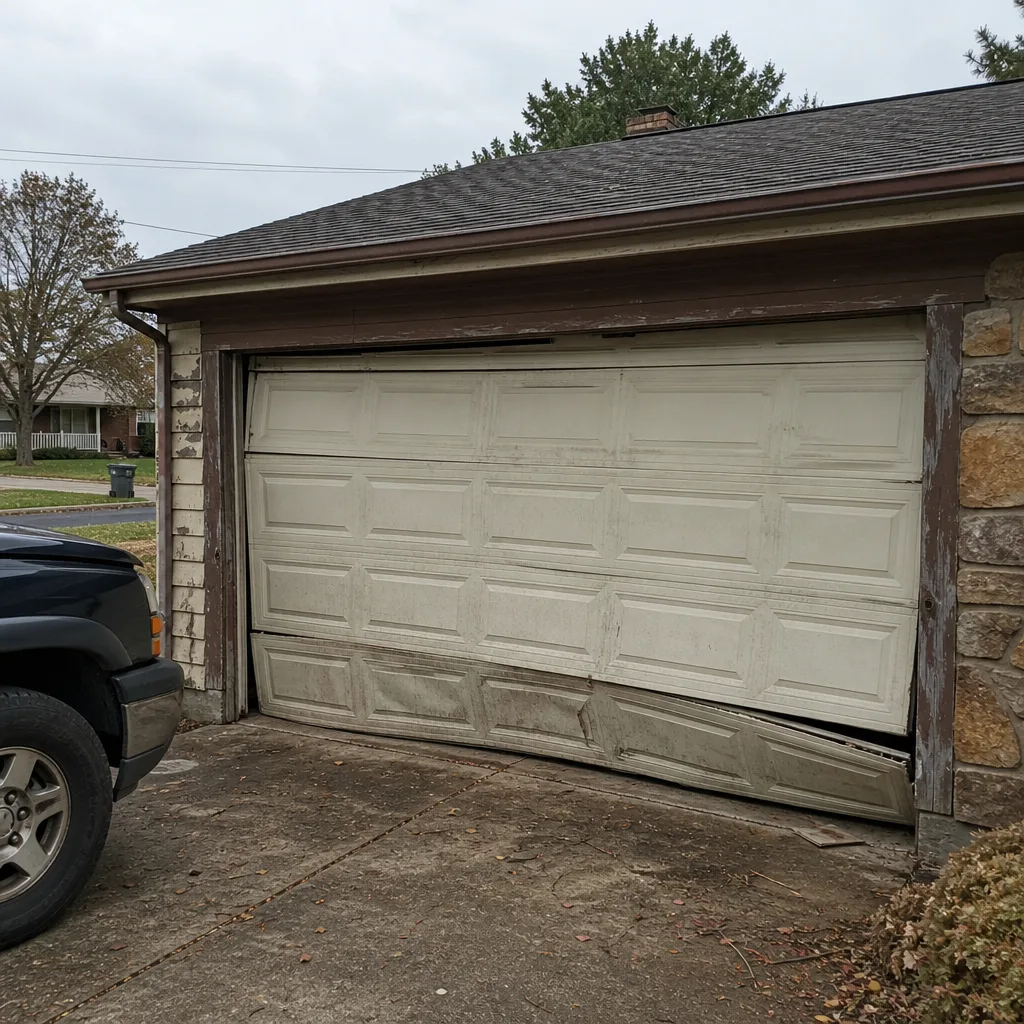 Before
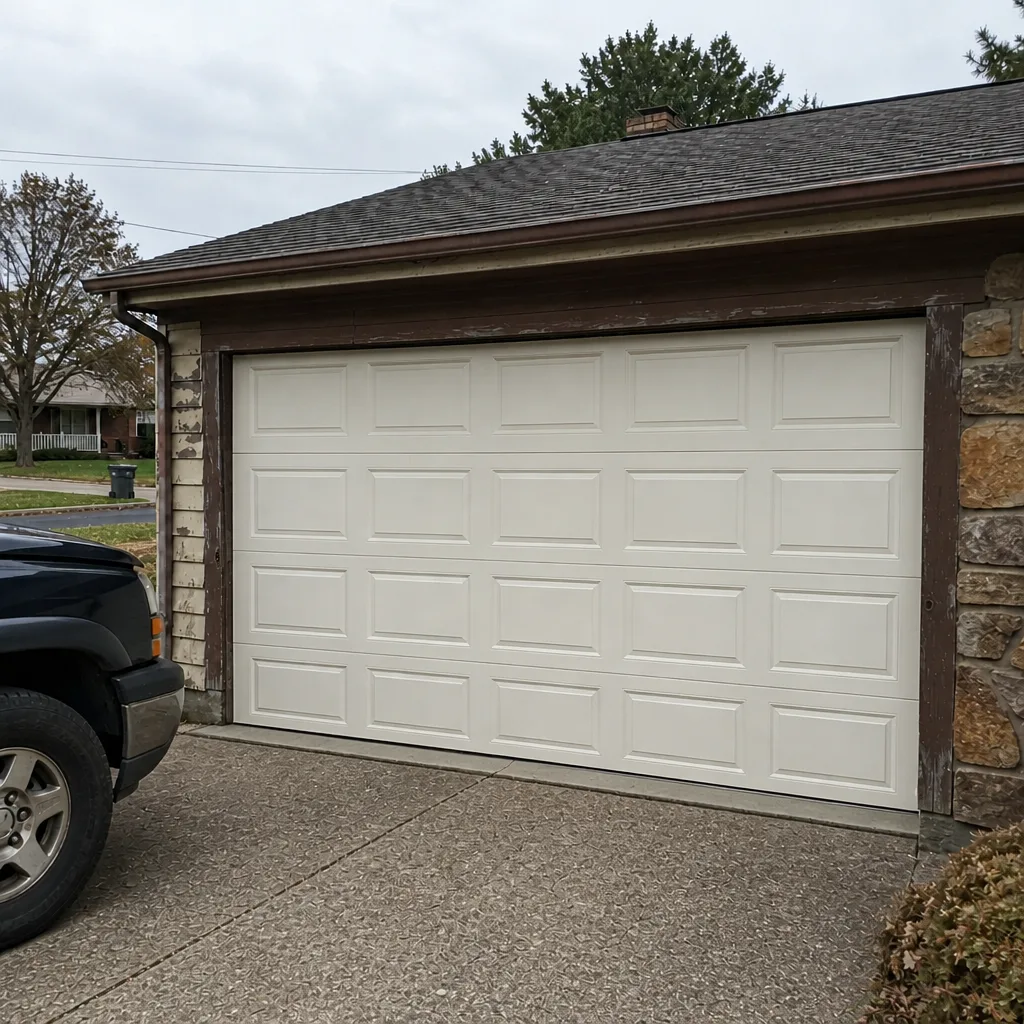 After
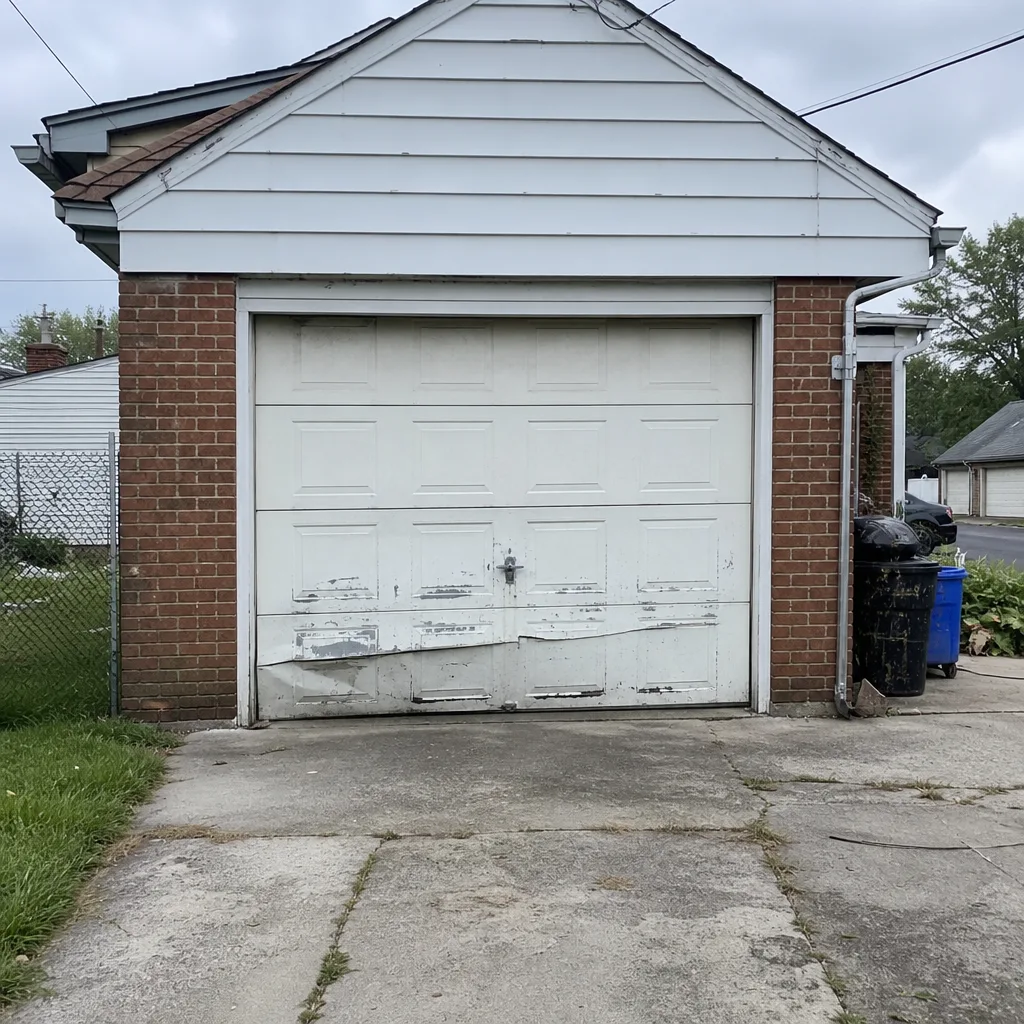 Before
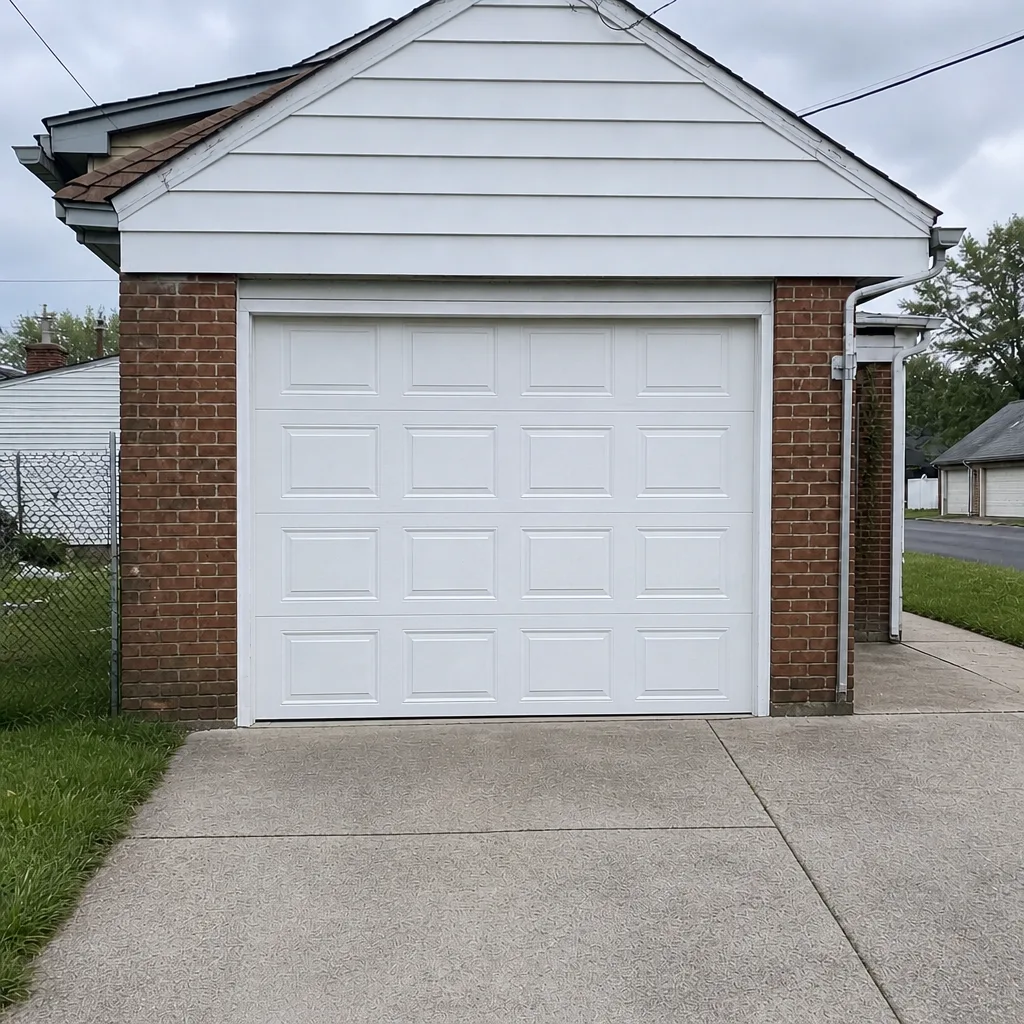 After
When to Call a Professional
Not everything on this calendar should be done by hand. Some items are safe to check yourself: seals, tracks, hinges, loose hardware, and snow clearing. Others need a trained technician because the stored energy or the live electrical component makes DIY genuinely dangerous. Springs, cables, and the internals of the opener belong in the second group. If a spring is visibly distorted, a cable has jumped a drum, or an opener won’t reverse on test, stop and call.
The other time to call is when repair and replacement become a real question. If your door is noisy, has failed the balance test, or the opener is struggling, a free estimate gives you the truth about which way to go. Levittown Garage Door Repair Pros offers free estimates in Levittown. Call (888) 618-9767. We work on LiftMaster, Chamberlain, Genie, Clopay, Amarr, Wayne Dalton, Craftsman, and Raynor systems, so whatever’s on your door, we’ll recognize it. Same-day service is available for repair and emergency calls when your door won’t open or close.
Frequently Asked Questions
Once a year, timed to the fall, is the minimum; doing an abbreviated check in spring and a fuller prep before the first hard freeze in late fall gets better results. Levittown’s climate does the damage on a schedule, so aligning your maintenance to that schedule works better than a random annual appointment. A spring-cleaning and a fall prep separately, once each, covers the whole year.
Metal contracts with cold, and a torsion spring that’s near the end of its life loses the small amount of tension it has left when temperatures drop. That’s why sharp early-winter cold snaps give you a cluster of failures. There’s no way to prevent every failure, but a fall tension check catches nearly-dead springs before the cold finds them.
Yes, and it’s the quiet failure mode of summer. Rubber and vinyl seals absorb moisture, then dry out on repeat, which hardens them until they stop hugging the floor. By fall, the seal has given up contact and winter ice finds its way under the door. Check the bottom seal in summer before the humidity does its work. If it’s flattened, replace it with a quality rubber or vinyl seal.
Stop and don’t force it. First check whether the door is frozen to the floor with ice. If it is, clear the ice gently and wait. If the door moves but still won’t open fully, the spring is likely the problem. That’s a technician call. For a door that won’t open or close and needs help now, call (888) 618-9767. Emergency service is part of what we do, not an upsell.
Yes, because the seasonal risks are structural, not usage-based. Humidity and ice damage the seals and the springs whether or not the car goes in. And the door’s seal matters for the temperature of the whole home if your garage is attached. Winterizing is about protecting the door and the seal, not about the car.
No. Torsion springs hold stored energy strong enough to cause serious injury, and the danger isn’t visible. This is one of the jobs to hand off. The spring repair we do is a safety-critical service we handle with the right tools and a trained technician. Leave the tension side of the system to a professional and keep your fall calendar for the tasks above.
The Bottom Line
Garage door care in Levittown isn’t about working harder; it’s about working with the seasons. The door that fails in November almost always failed an earlier, cheaper chance to be checked in September. Seal the door before humidity ruins the seal, lubricate and check tension before the first freeze, and leave springs, cables, and openers to a trained technician.
You’ve got a calendar here you can run for years. Do the small tasks yourself, book the safest big ones, and call early when a door starts behaving differently. A free estimate tells you exactly what’s wrong and what it costs, with the price quoted before any work starts. Call (888) 618-9767 to book a free estimate for your Levittown garage door today.
Written by the team at Levittown Garage Door Repair Pros.