Last updated November 23, 2026
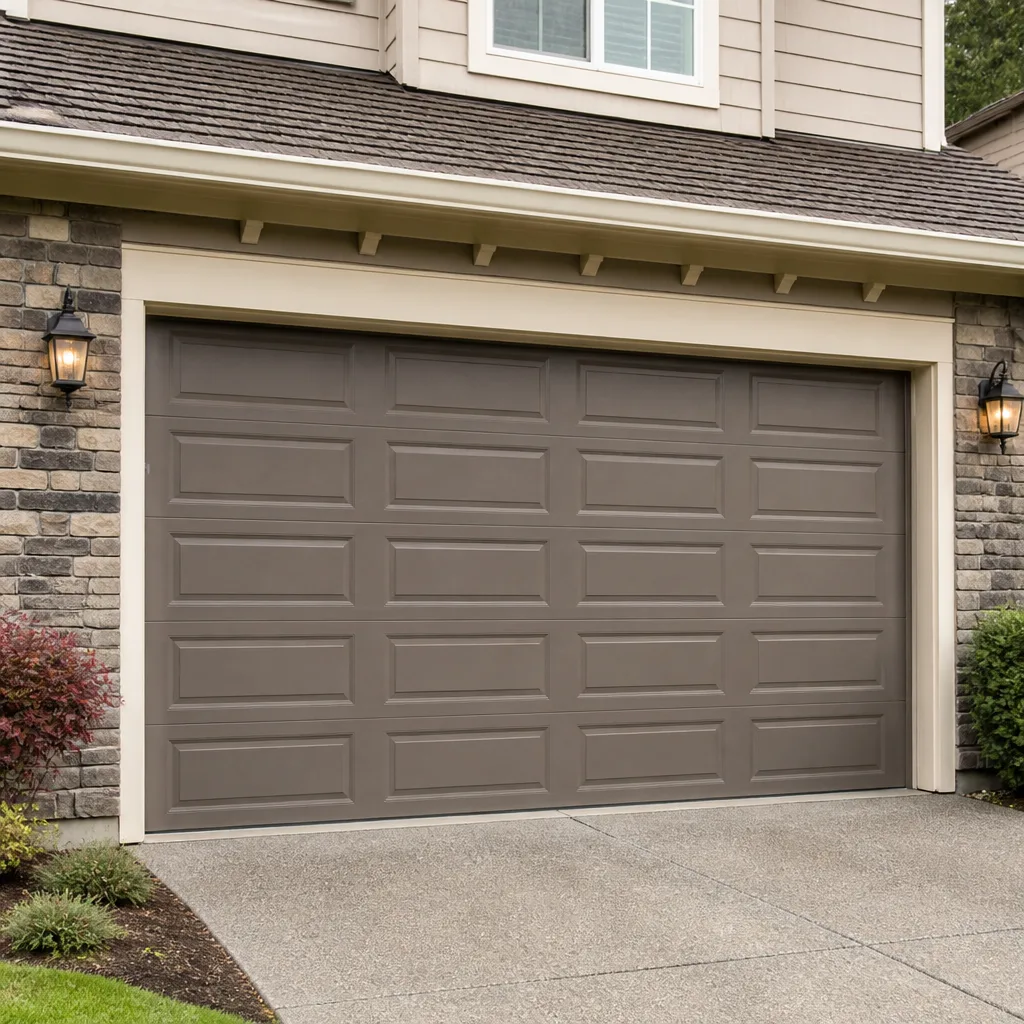 Raised-panel steel
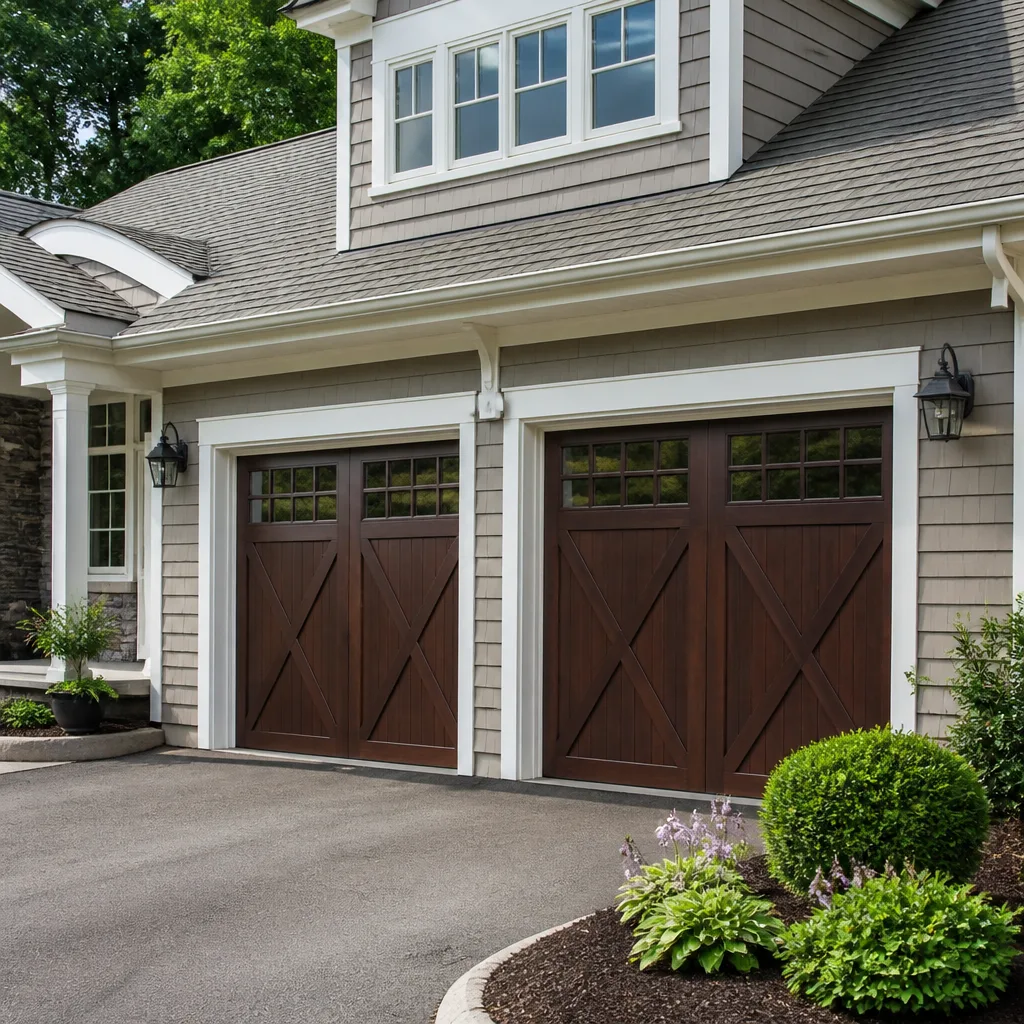 Carriage house
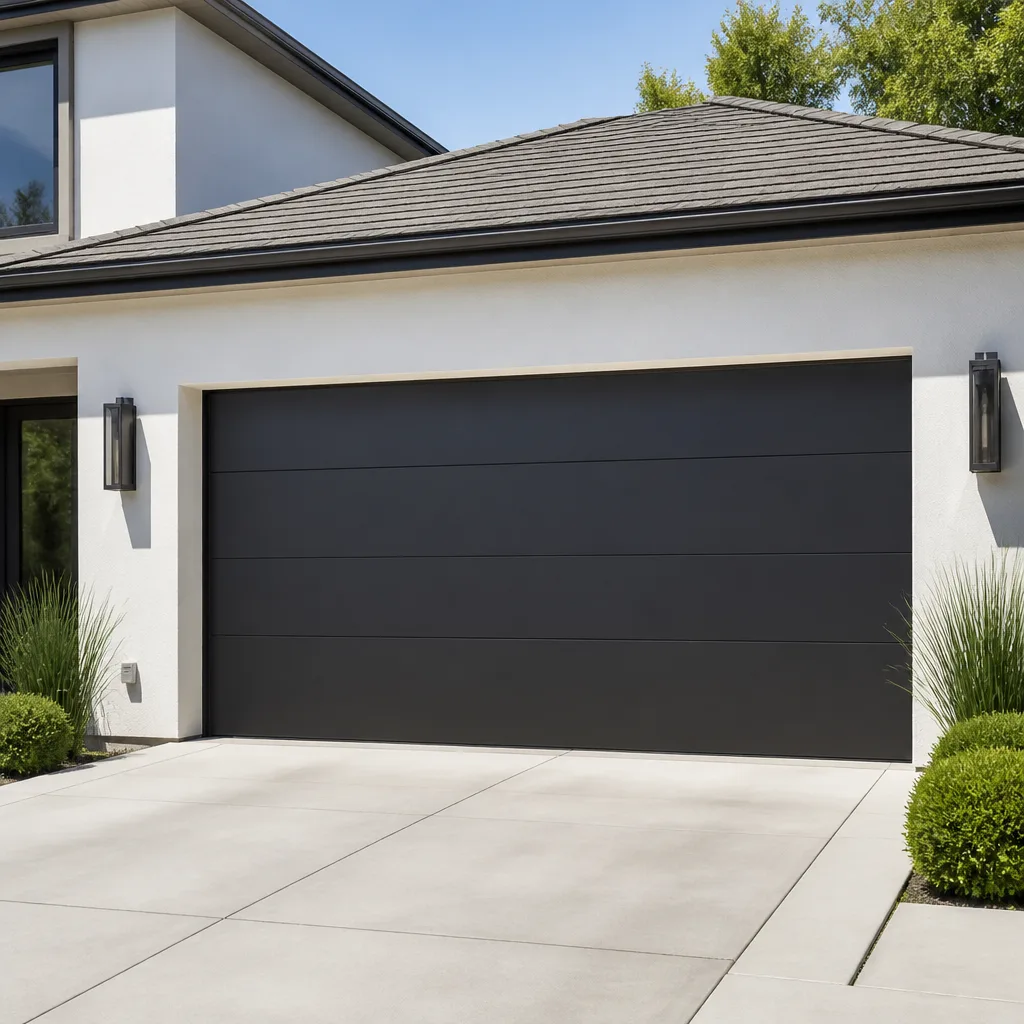 Modern flush
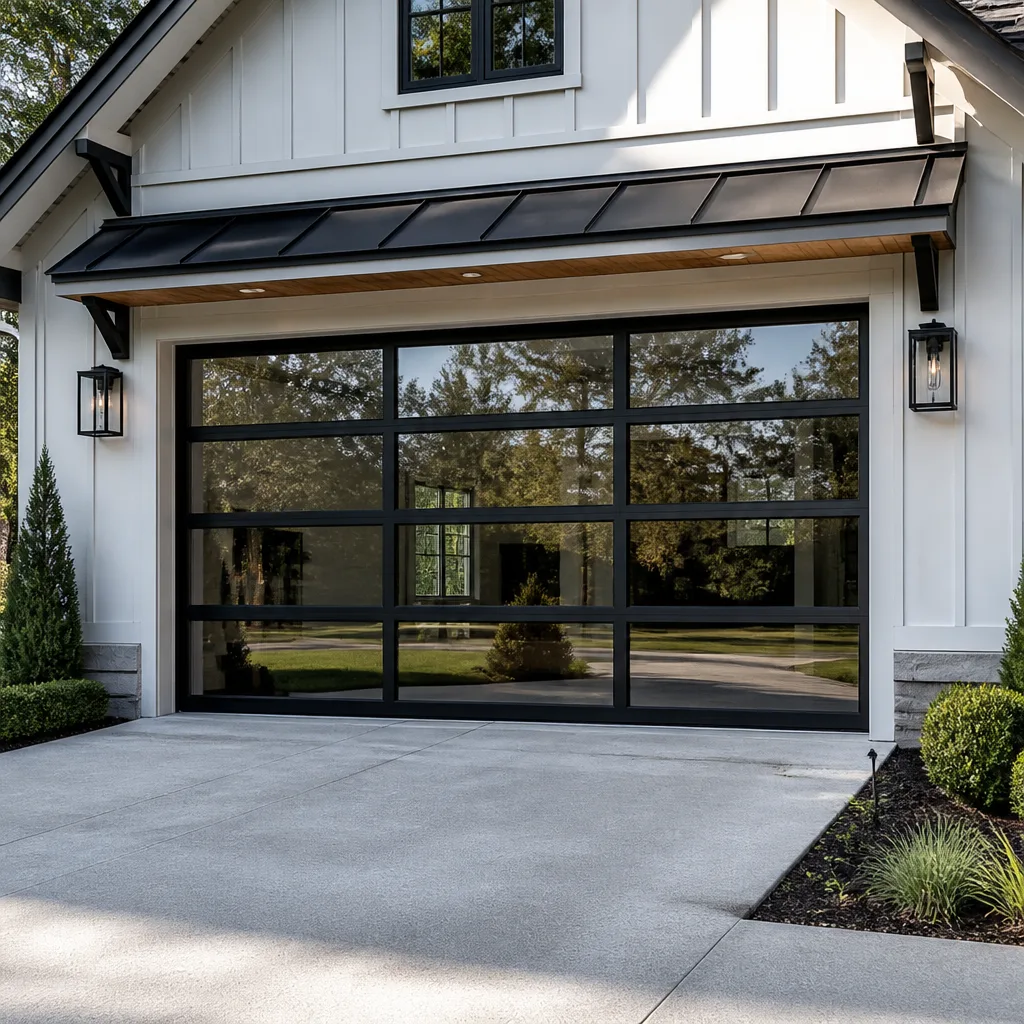 Full-view glass
 LiftMaster openers
 Chamberlain openers
Full 25-point door and opener safety check with every visit - springs, cables, rollers, tracks, and your LiftMaster or Chamberlain opener included
You get a price before we start. It does not change when the pro arrives.
Get your free estimateGarage Door Repair Maintenance Schedule: What to Do and When
Most homeowners think a garage door fails for one reason: age. It usually doesn’t. Springs break most often in October and March, not because they hit some magic birthday, but because those are the months when temperature swings put the most stress on tensioned metal. A door that sailed through summer can snap in the first real cold snap. And a maintenance schedule that ignores that rhythm is really just a random checklist you happen to run through once in a while. In this guide we map every maintenance task to the month that actually matters for a Levittown home, from the five-minute balance test that tells you whether your springs have another season in them to the exact parts that need lubrication and the ones you should never touch with WD-40.
Quick Answer
A garage door maintenance schedule works best when it follows the seasons: check and lubricate in spring, test the balance and safety reverse before the first freeze, tighten hardware as temperatures drop in late fall, and do a full inspection after the last frost in March. In Levittown, the two critical checkpoints are late October (before Pennsylvania’s freeze-thaw cycle) and mid-March (after it). Springs, cables, and rollers are the three parts that wear fastest, and each has a visual benchmark that tells you it’s close to failing before it actually does.
Styles & brands we work with
- Raised-panel steel
- Carriage house
- Modern flush
- Full-view glass
- LiftMaster openers
- Chamberlain openers
Table of Contents
- Why a Garage Door Doesn’t Wear Evenly
- The Month-by-Month Schedule for Levittown
- The Five-Minute Balance Test
- Lubrication: What to Use and What Never to Touch
- Visual Benchmarks for Worn Hardware
- Maintenance Visit vs. Emergency Repair: The Math
- What Not to Touch Yourself
- Common Mistakes to Avoid
- When to Call a Professional
Why a Garage Door Doesn’t Wear Evenly
A garage door is a system of tensioned metal working against gravity every single time it moves. A typical door cycles four to six times a day in a busy household – pulling out in the morning, coming back at lunch, running errands, pulling in at night. That adds up to thousands of cycles a year, and every one of them fatigues the springs a little more.
Here’s what most maintenance advice misses: those thousands of cycles don’t wear the parts evenly. Steel expands in heat and contracts in cold. In Levittown, summers can push a metal door past 100°F in direct sun, and winters regularly drop into the teens. That’s a temperature swing of roughly 80 degrees across six months, and every swing is a stress cycle on the springs, cables, hinges, and fasteners.
Springs absorb the largest share of that stress. They’re held under tension year-round, so when the metal gets cold and contracts, the tension actually increases. That’s why a spring that’s been quietly weakening all summer tends to snap in the first hard cold snap of October or in the thaw-and-refreeze swings of March, when the door is cycling against temperature whiplash from both directions.
Panels, tracks, and hinges age on their own slower clock. So do openers – a LiftMaster or Chamberlain unit might run for years before the motor or logic board starts acting up. If you schedule maintenance as a single “annual checkup,” you’re inspecting the wrong thing at the wrong time. Map the task to the season and you catch each part at the moment it’s most likely to fail.
The Month-by-Month Schedule for Levittown
This is the calendar that fits a Levittown home. It’s built around the local climate arc: damp spring, warm humid summer, rapid fall cooling, hard freeze, then the freeze-thaw wobble of early spring. Adjust the exact week to your own habits, but keep the sequence.
March
After the last hard cold, do a full inspection. Freeze-thaw cycles stress hinges, fasteners, and cables. Check every hinge bolt with a socket wrench and look for loose track brackets. Run the balance test (see below). This is the month that catches winter damage before it turns into a spring failure.
April
Lubricate hinges, rollers, and the torsion spring coils with a lithium or silicone-based spray. Inspect weatherstripping along the bottom and sides – winter ice and grit chew it up, and a gap is an invitation to drafts and water intrusion.
May
Test the safety reverse (place a roll of paper towels under the door and let it close – the door should reverse). Clean the tracks with a damp cloth and check for dents or misalignment. Wipe the photo-eye lenses on LiftMaster and Chamberlain openers so they read cleanly.
June
Check the opener’s force settings and inspect the drive belt or chain for slack. Clean the garage door panels and touch up paint chips – summer sun will only make any rust spread if it’s already started.
July
Listen for new sounds. A door should run smoothly and quietly. Grinding, squealing, or a labored opener motor are early warnings rather than emergencies. Ask whether it’s the opener or the door itself; the two have different fixes.
August
Inspect cables for wear at the drum attachment points. Cables are under tension and can fray long before they snap. Look for broken strands, kinks, and rust.
September
Start the pre-winter prep. Tighten every bolt on hinges and the track. Check rollers for cracks and flat spots. Schedule an opener tune-up if the motor has been surging or straining. Many Genie and Raynor units benefit from a belt tension check this time of year.
October
The critical pre-winter checkpoint. Run the balance test again. If a spring is close to failing, this is the month to replace it, not in a January freeze at 7pm with the car trapped inside. Check the bottom seal and the threshold; small gaps let cold air in and become real drafts by Thanksgiving.
November
Test the door’s manual release. If you ever need to open the door by hand during a power outage (a real possibility in a snowy Pennsylvania winter), you want to know the release works. Lubricate moving parts one last time before deep cold.
December through February
Inspect, don’t disassemble. Clear snow and ice from the threshold. Watch for stiff operation – cold grease is thicker, and an opener that lagged in summer may struggle in January. Keep the photo-eyes clear of snow spray. Call for service if the door stops halfway or reverses unexpectedly.
Two months out of this whole calendar matter more than the rest: late October and mid-March. Everything else is housekeeping. Those two are the checkpoints that catch a failing spring before it fails.
The Five-Minute Balance Test
The balance test is the single most useful thing a homeowner can do to know whether their springs have another season in them. It tells you if the springs are still carrying the door’s weight evenly or if one side is quietly doing more work than it should.
Here’s how it works. And a safety warning first: never put your hands near the springs, cables, or the torsion bar while you’re doing this test. Springs are under extreme tension and are not a DIY part. The test itself only involves moving the door, not touching the springs.
- Close the door fully.
- Pull the red manual release cord to disconnect the opener (the door will now be on springs and tracks only).
- Lift the door by hand to about waist height and let go.
- Watch where it settles.
- If the door stays at roughly waist height, the springs are balanced and have life left in them.
- If it drops slowly toward the floor, the springs are losing tension. They may have a few months left, but not a whole season.
- If it falls quickly or crashes down, the springs are weak or one is already broken. Do not use the door. Call a professional.
- If it rises on its own, the springs are over-tensioned and need to be adjusted by a technician.
Run this test in March and again in October. That’s five minutes twice a year, and it’s the difference between replacing a spring on your schedule versus replacing it in an emergency on the door’s. For anything beyond a “balanced” reading, that’s exactly the kind of work our garage door spring repair team handles every week.
Re-engage the opener afterward by pulling the release cord and running the door up until it clicks into the carriage.
Lubrication: What to Use and What Never to Touch
Lubrication is where most garage door advice goes wrong. The instinct is to grab the can of WD-40 from the shelf and hit everything. Don’t. WD-40 is a solvent, not a lubricant, and putting it on your moving parts strips away the factory grease and leaves a thin film that attracts dust. In a damp Levittown spring, that film turns into a gummed-up paste on the rollers and hinges.
What to lubricate
- Hinges – a light spray of lithium grease or silicone lubricant at each pivot point, once in spring and once in fall.
- Rollers – apply to the roller stem and bearing, not the wheel face. White lithium grease is the standard choice.
- Track surfaces – a very light wipe of silicone spray, not grease. Grease attracts grit.
- Torsion spring coils – a light coat of silicone spray reduces friction between coils. Never put your hands near the spring to do this be careful and use the spray from a distance.
- Opener drive – Chain- and belt-driven openers (LiftMaster, Chamberlain, Genie, and Raynor all use either) generally need only the chain or belt inspected, not greased. Belt-driven openers are self-lubricated. If your manual says grease the chain, use the specific product it recommends, sparingly.
What never to touch with WD-40
- Springs under tension – for safety and because it strips the protective coating.
- Cables – WD-40 on cables encourages grit collection and rust underneath.
- Photo-eye lenses – use a dry cloth or a drop of water on a clean rag.
- The opener logic board or any electrical connection.
- Track interiors – grease here is a magnet for pet hair and dust, and eventually the rollers get gummed.
Two lubrications a year, in April and November, cover most of what you need. Anything that involves the springs or cables should be inspected by a technician, not lubricated by hand.
Visual Benchmarks for Worn Hardware
Hardware rarely fails without warning. The trick is knowing what “close to failure” looks like versus “fine.” Here are the benchmarks we use on the job.
Hinges
A healthy hinge sits flat and tight. A hinge that’s failing shows widening gaps at the screw holes, cracks radiating from the knuckle, or a rounded-out pivot pin. If the door shudders or hangs briefly at one section, look at the hinge there first.
Rollers
A good roller is round, smooth, and spins freely. A worn roller has flat spots on the wheel, cracks in the plastic, or a stem that wobbles in the hinge. Worn rollers make a rumbling sound that gets worse through winter. If the door is 8 to 10 years old and has plastic rollers, they may look “fine” but be near the end of their life.
Cables
Check both cables where they meet the drum at the top corners. A healthy cable is tight and smooth. A failing cable shows broken strands (looks like a frayed rope end), kinks, rust spots, or looseness on one side but not the other. A visible broken strand is a stop-using-the-door trigger, not a schedule-next-month trigger.
Springs
A healthy torsion spring has an even, painted look with a consistent coil gap. A failing one shows thin gaps between coils, rust, visible cracks, or a slight wobble when the door runs. A broken spring shows a clear gap in the middle of the coil. The balance test catches the rest.
Tracks
Run your hand along the inside of the track where the rollers ride. A good track is smooth. A bad one has dents, dings, or grit. Any bend in the track is a reason to call a technician – bent track grabs rollers and pushes the door off-alignment, and the damage cascades.
If any of these warnings show up, that’s the point where a maintenance visit turns into a repair. Most of the time we can sort it in a single trip – our garage door repair work is built around catching these on the modest end rather than after a failure.
Maintenance Visit vs. Emergency Repair: The Math
The reason scheduling is obvious comes down to simple arithmetic. A scheduled maintenance visit is a small, one-time cost. An emergency repair – especially a spring or cable that fails on a car-trapped-inside morning – costs more because it’s at an inconvenient hour, and usually takes the door out of service for at least part of a day.
| Service | Typical Trigger | Relative Cost | Downtime |
|---|---|---|---|
| Scheduled maintenance visit | Spring/fall calendar check | Low – one visit | None (door stays usable) |
| Roller replacement (set) | Worn rollers caught at inspection | Moderate | A couple of hours |
| Spring replacement (one) | Balance test flags it or spring breaks | Moderate to high | Same day, door offline until done |
| Spring replacement (matched pair) | One breaks, the pair is replaced | Roughly twice a single | Same day, door offline until done |
| Emergency after-hours call | Failure with no advance notice | Higher – urgency premium | Door offline until dispatch can arrive |
The exact numbers depend on the job and the parts, which is why we quote before any work starts. But the shape is the same: scheduling catches a small repair, emergency service catches a big one. The two October-March checkpoints are what keep you on the scheduled side of that table.
Spring replacement is worth flagging in its own right. A single spring typically costs one amount; a pair costs roughly twice that, and usually for good reason – when one spring breaks, the other is almost always just as fatigued. A technician will tell you which is right for your door, and you’ll have a written quote before anything is installed.
If your opener is what’s failing rather than the door itself, that’s a separate repair, and our garage door opener repair service covers everything from LiftMaster and Chamberlain to Genie and Craftsman units, older and newer smart-connected models alike.
What Not to Touch Yourself
Some garage door work is a homeowner’s job: lubricating hinges, cleaning tracks, testing safety reverse, watching the balance test, and calling when something looks off. Other parts of the system are genuinely dangerous and should never be handled by anyone without training.
- Springs – a torsion or extension spring is held under extreme mechanical tension. A spring that releases unexpectedly can cause serious injury. Even a “loose” spring should not be adjusted by hand.
- Cables – the cables are what hold the door’s weight in tension with the springs. A frayed cable can snap without warning.
- Torsion bar and drums – these carry the full load of the door. Do not loosen, adjust, or disassemble.
- Opener electrical connections and panel wiring – if the opener needs to be re-wired or the safety sensors replaced, that’s a job for a trained technician.
- Track realignment – a bent track is a straight call to a professional. Tracks hold the door’s path; getting them off by even half an inch causes weight imbalance that strains the springs.
If you’re unsure whether something is safe to touch, it isn’t. Call and ask. That’s a free conversation.
Common Mistakes to Avoid
- Treating maintenance as a single annual checkup. A garage door doesn’t wear evenly. If you do one inspection in spring or fall and call it done, you’ll miss the freeze-thaw stress that catches the springs in March.
- Spraying WD-40 on the hinges, rollers, and springs. It strips the factory grease and leaves a film that gummed-up dirt sticks to. Use lithium or silicone grease instead, and never on the springs.
- Skipping the balance test. It’s five minutes twice a year and catches a failing spring before it breaks. If you’ve never run it, you don’t know how much life your springs have left.
- Assuming “it still opens” means “it still works.” A door with a broken spring still opens if you use the manual release and lift it by hand – that’s exactly how people get hurt. A door that opens with the opener but sounds labored or runs unevenly is telling you something.
- Not testing the safety reverse. This is the feature that stops the door if a child, pet, or object is in the path. It works on a photo-eye beam and a force sensor, both of which drift over time. Test it twice a year.
- Ignoring the threshold and weatherstripping. A small gap at the bottom of the door lets in water, cold air, and pests. In a Pennsylvania winter those small gaps become icy drafts and eventually rot at the door bottom.
- Calling only when it’s broken. The whole point of a schedule is catching the failing part before it fails. If you wait for the door to be down, you’ve paid for the emergency version of what a maintenance visit would have caught.
See the difference
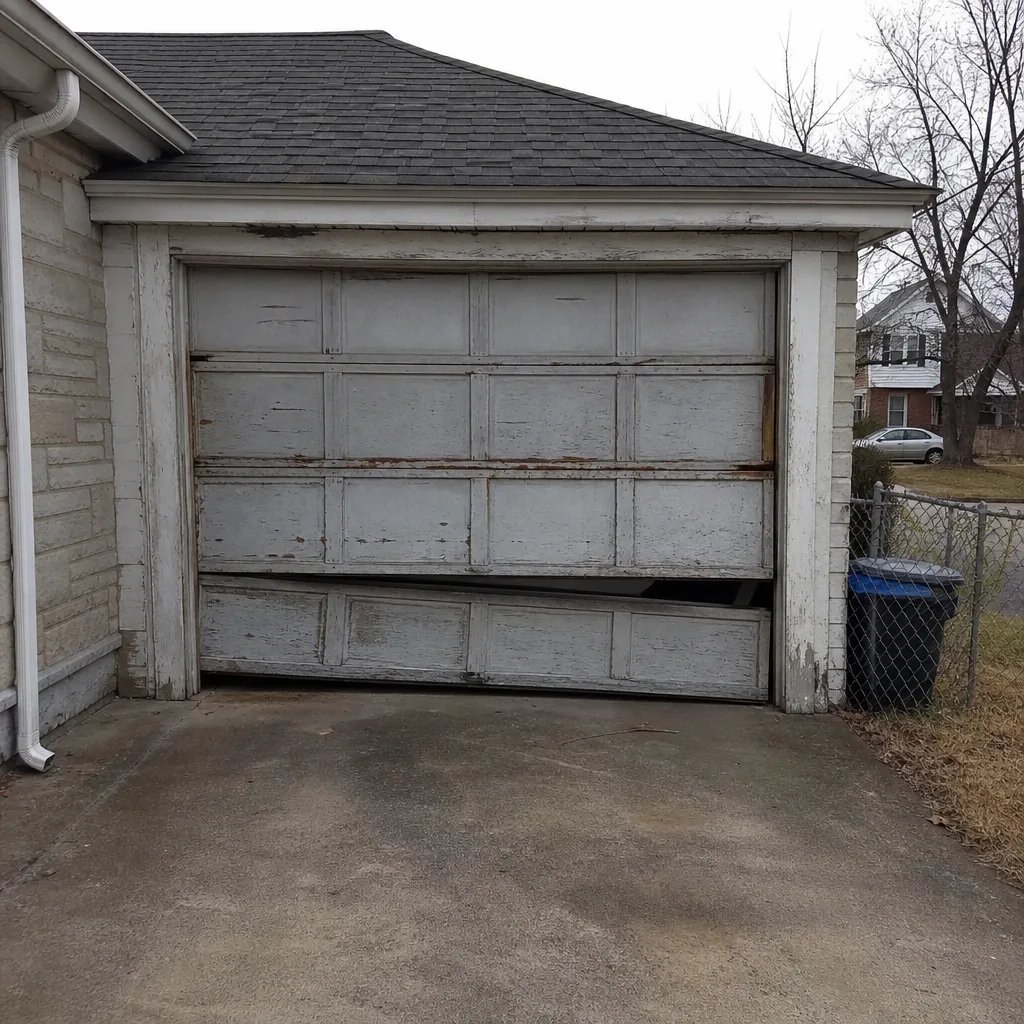 Before
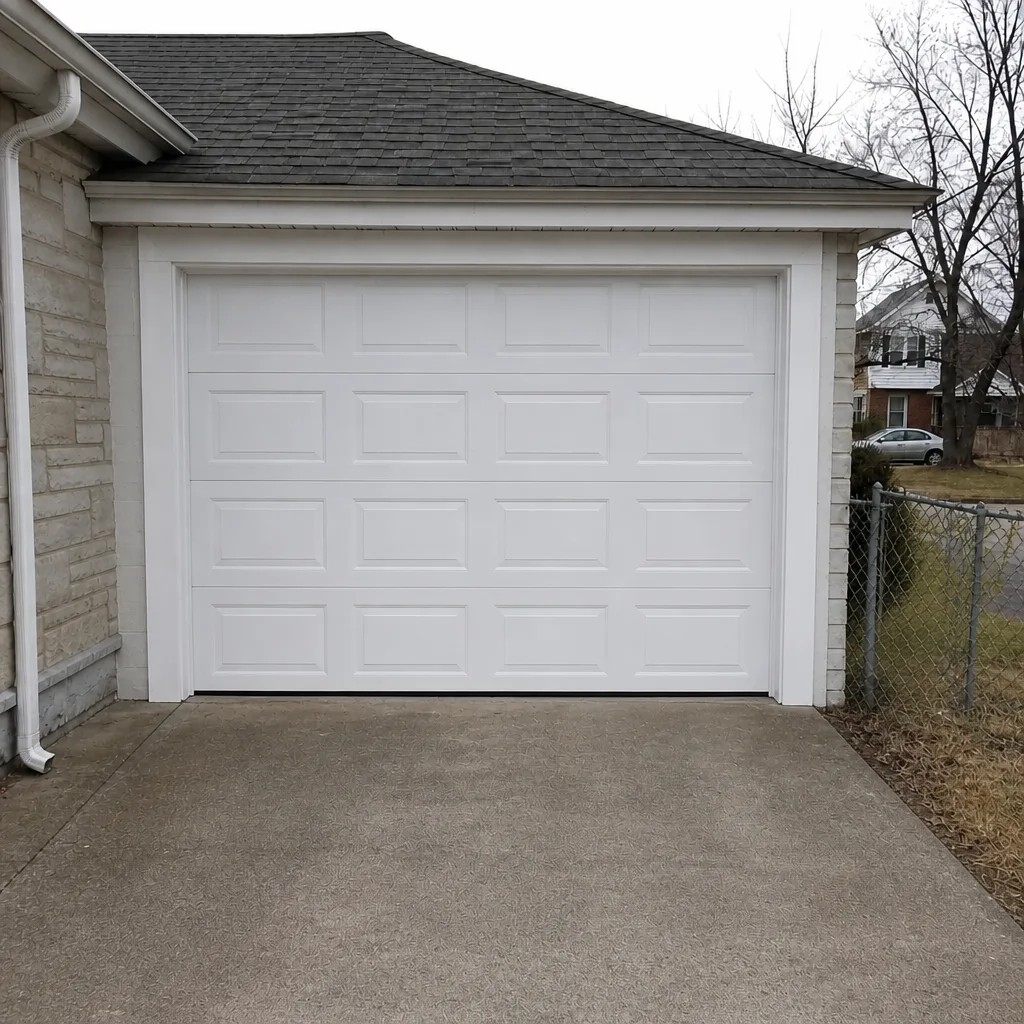 After
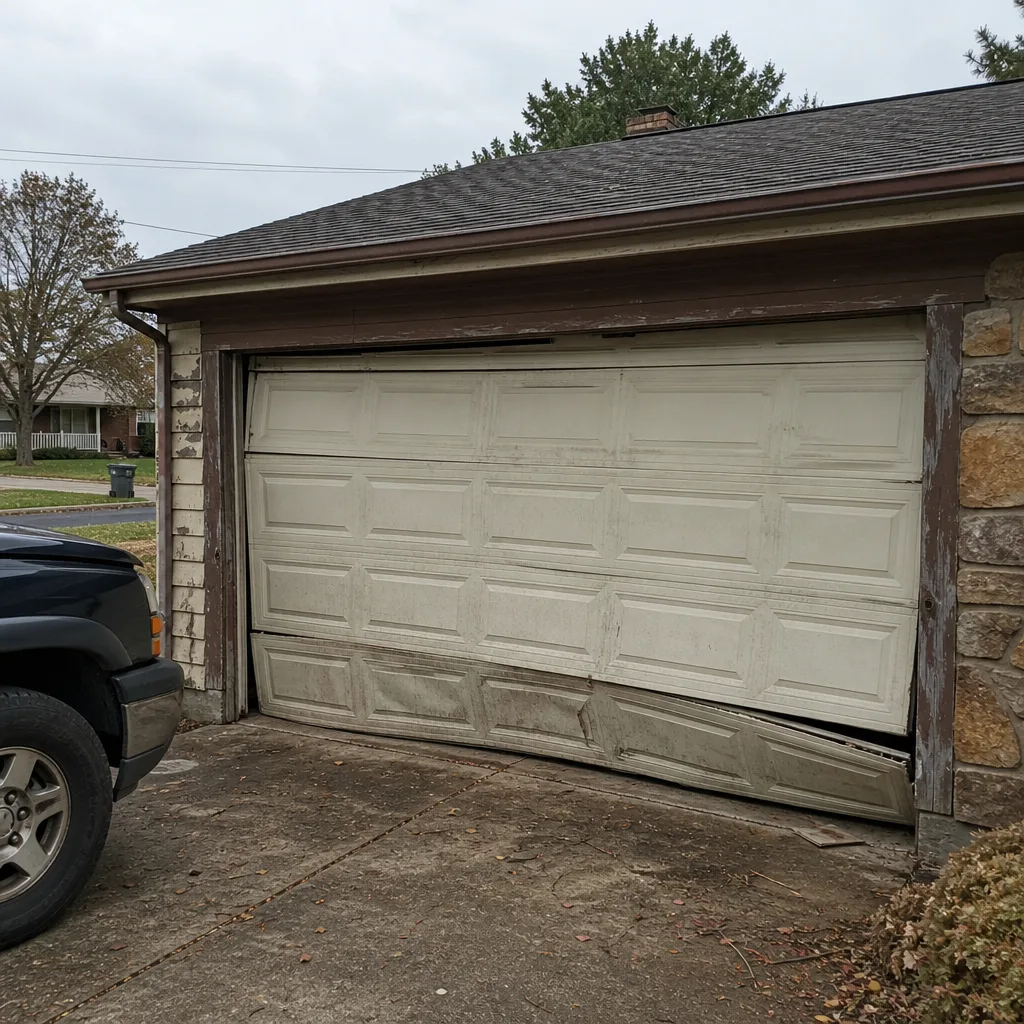 Before
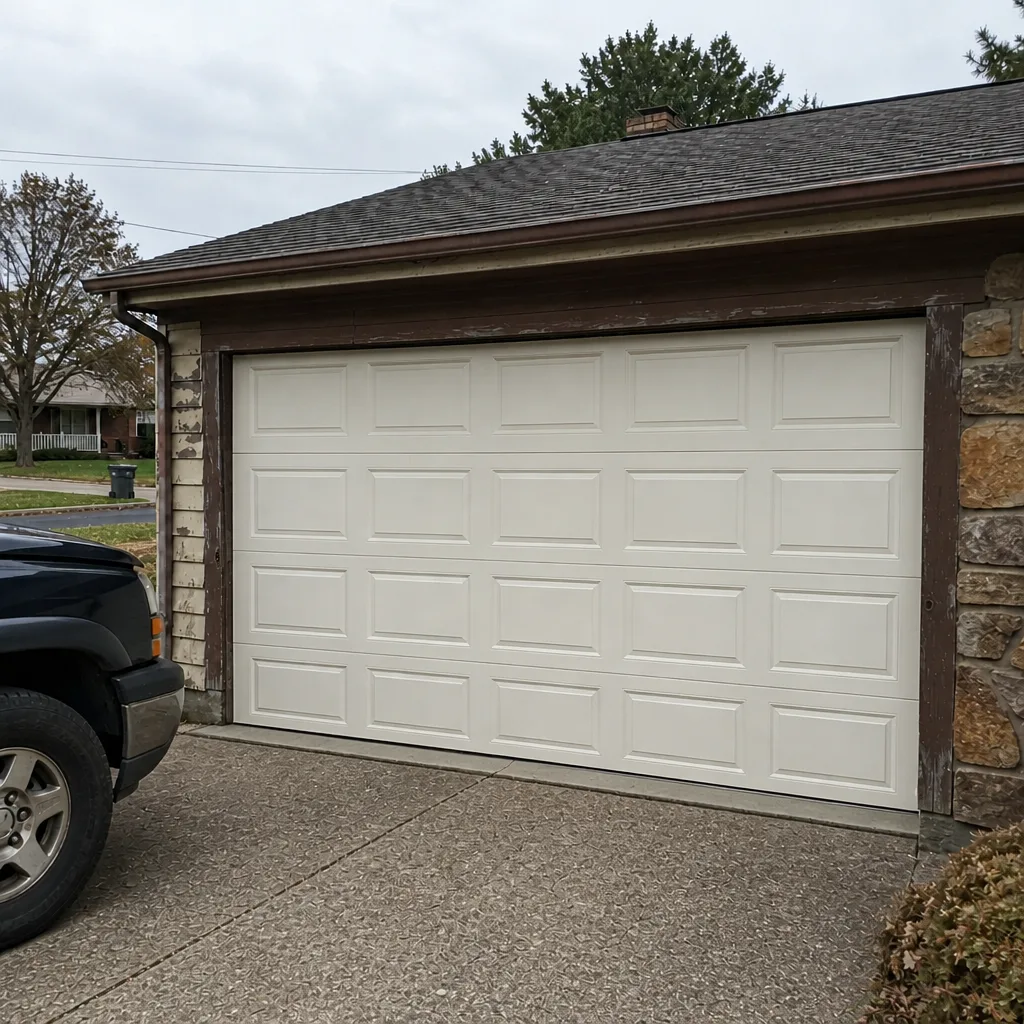 After
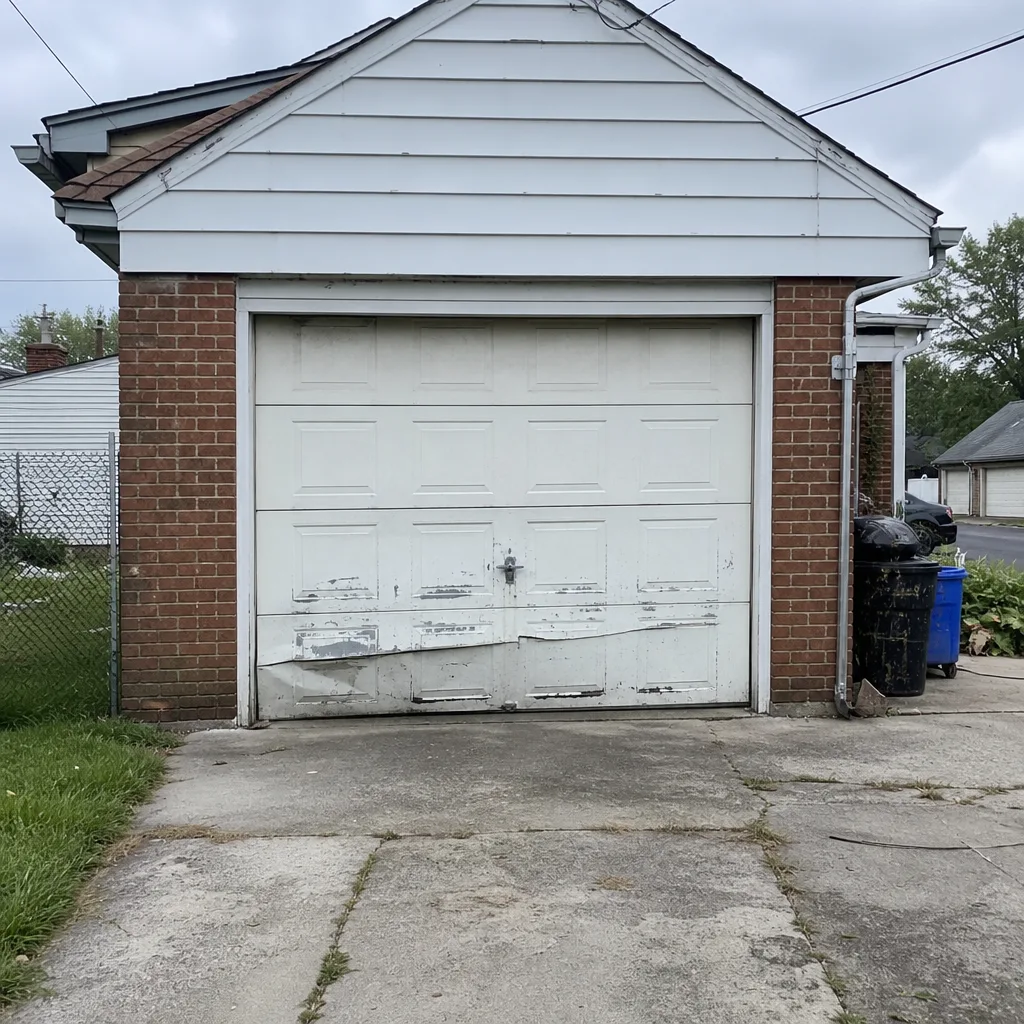 Before
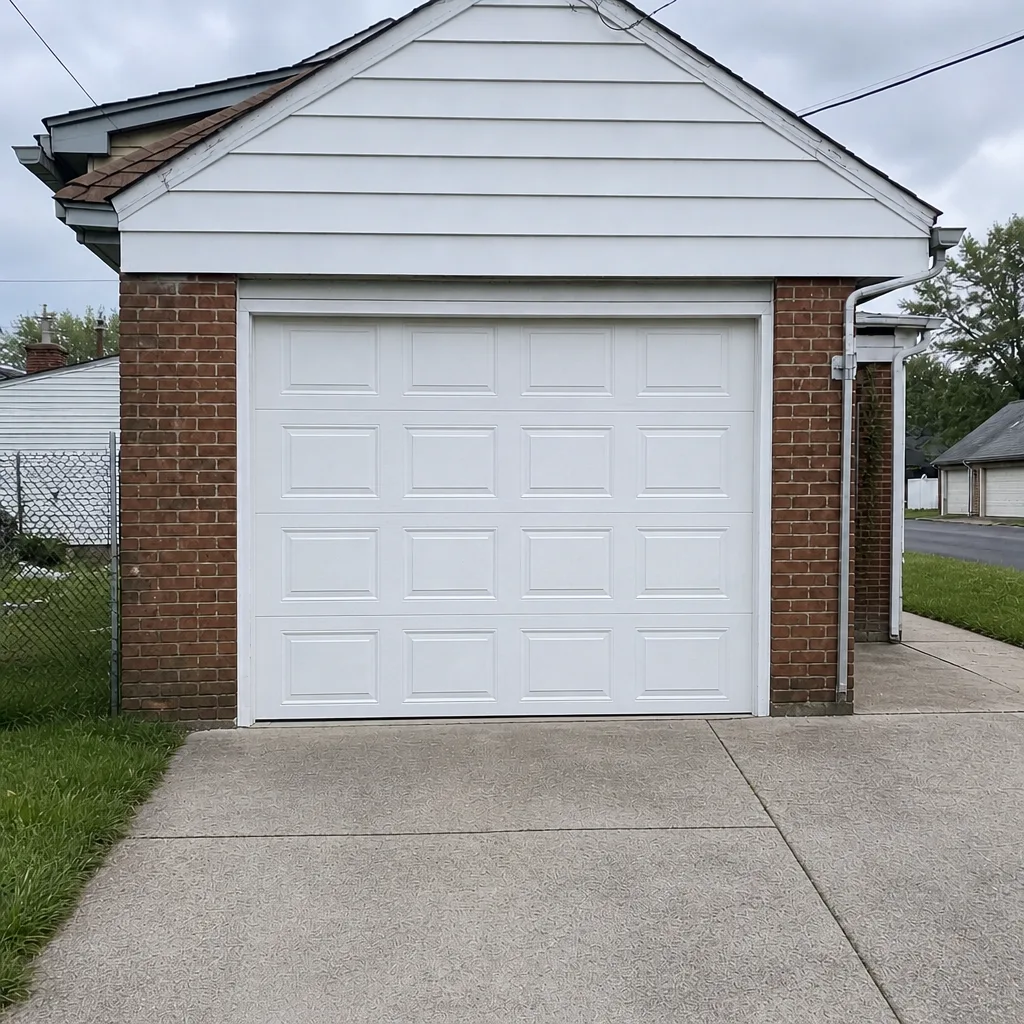 After
When to Call a Professional
Some tasks in this schedule are worth doing yourself – lubrication, cleaning, testing, and watching. When any of the following come up, stop and call:
- The balance test shows the door dropping or crashing to the floor.
- A spring has visibly broken, or one side of the door sits lower than the other.
- A cable is frayed, kinked, or loose on one side.
- The door reverses unexpectedly, stops halfway, or won’t stay closed.
- The opener makes grinding or screeching sounds, or the motor runs but the door doesn’t move.
- A hinge, roller, or track is visibly bent or cracked.
We offer emergency garage door service for anything that can’t wait until morning, and free estimates for anything scheduled. Levittown Garage Door Repair Pros offers free estimates in Levittown – call (888) 618-9767.
Frequently Asked Questions
Twice a year, ideally in late October before the freeze and mid-March after it. Those are the two checkpoints where the local temperature swings put the most stress on springs, cables, and fasteners. A single annual visit is better than nothing, but the two-point schedule catches a failing part at the moment it’s most likely to fail.
Yes – hinges, rollers, and track surfaces are homeowner-safe to lubricate with lithium grease or silicone spray. Never lubricate springs, cables, or photo-eye lenses, and never use WD-40 as your lubricant. When in doubt, call and ask.
It’s a five-minute check that tells you whether your springs are still carrying the door’s weight evenly. Disconnect the opener with the manual release, lift the door by hand to waist height, and let go. If it stays put, the springs are balanced. If it drops or rises on its own, call a technician. Never touch the springs themselves during this test.
Because temperature swings put the most physical stress on tensioned steel, and those are the two months in Levittown where the swings are steepest. A spring that weakened all summer tends to snap in the first hard cold of October. A door that survived winter can fail in the thaw-and-refreeze of March.
Yes, for the same reason an oil change is worth it in a running car. A maintenance visit catches a failing hinge, an over-worn roller, or a spring on the cusp of failure while it’s still a scheduled repair instead of an emergency one. The cost of the visit is modest compared to the emergency version of the same repair.
A technician will tell you based on the door and the springs in it. As a rule, when one spring breaks the other is the same age and the same fatigue – replacing the pair costs roughly twice a single spring but avoids a second failure just weeks later. Either way, you’ll get a written quote before anything is installed.
Call (888) 618-9767 for an exact quote – estimates are free.
The Bottom Line
A garage door is a mechanical system, and like any system it fails on a schedule you can predict – if you’re watching. In Levittown, the two checkpoints that matter most are late October (before the freeze) and mid-March (after it), and the five-minute balance test is what tells you whether the springs have another season. Lubricate hinges and rollers twice a year with lithium or silicone, never WD-40. Watch the visual benchmarks – worn rollers, frayed cables, cracked hinges – and call when anything looks close. Schedule the repairs and skip the emergencies. We work on LiftMaster, Chamberlain, Genie, Raynor, and most other major brands, and whether it’s a repair, an opener, or a full new door, you only need one call. Our Levittown garage door repair pros are ready to help whenever your door needs it.
Call Levittown Garage Door Repair Pros at (888) 618-9767 for a free estimate on any repair or replacement.
Written by the team at Levittown Garage Door Repair Pros.